
Rodenticide Alternatives Ct: Safe Rodenticide Alternatives
By Nukingstreet Pest & Wildlife Control LLC Editorial Team · Updated 2026-08-07
Nukingstreet Pest & Wildlife Control, LLC in Enfield, CT recommends snap traps, electronic traps, and exclusion sealing as first-line rodent solutions before chemical rodenticides. Certified technicians use EPA-registered bait stations in tamper-resistant, locked containers, placed away from children and pets, following strict label instructions to minimize secondary poisoning risks to wildlife.
Rodenticides fall into several active-ingredient categories, including first-generation anticoagulants, posing risks to mammals, birds, and pets. Safer alternatives include exclusion, trapping, and natural deterrents. For professional guidance, Nukingstreet Pest & Wildlife Control, LLC, based in Enfield, CT, offers chemical safety consultation.
Safe rodent control starts with mechanical exclusion, snap traps, and sealing entry points instead of first-generation. Second-generation anticoagulant rodenticides, which poison pets, children, and wildlife through direct contact or secondary poisoning. Nukingstreet Pest & Wildlife Control, led by Associate Certified Entomologist Jeffrey Davis, applies a mechanical-first, chemical-last approach, avoiding SGARs entirely for families and local ecosystems.
Understanding Natural Pest and Wildlife Control Benefits
- Rodenticides control rats, mice, squirrels, woodchucks, chipmunks, porcupines, nutria, and beavers across residential, agricultural, and non-agricultural settings.
- Rodent pests damage crops, violate housing codes, transmit diseases, and cause ecological harm to property and food supplies.
- Natural alternatives to rodenticides exist and address conflicts between human landscape preferences and non-human species behavioral patterns.
- Nukingstreet Pest & Wildlife Control, LLC in Enfield, CT provides professional rodent management and chemical safety guidance services.
What Will Safer Rodent Control Accomplish For You?
Safer rodent control removes the guesswork—and the collateral damage—from managing rats, mice, squirrels, woodchucks, and chipmunks around a property. Households lose more than peace of mind when poison baits enter the picture: pets raid bait stations, hawks and owls scavenge poisoned rodents, and the underlying entry points that caused the infestation stay unfixed. Choosing eco-friendly rodent control shifts the goal from killing on contact to closing gaps, removing food sources, and monitoring results.
Understanding chemical safety pest control starts with knowing what’s actually inside a bait box. Rodenticides split into three chemical groups: first-generation anticoagulants, second-generation anticoagulants, and non-anticoagulants. Each group carries its own toxicity profile and its own risk of secondary poisoning to pets, birds of prey, and curious children. That variation matters, because a product marketed as “professional-grade” can still pose an outsized hazard to non-target animals.
Why Do Second-Generation Rodenticides Get Singled Out?
Second-generation anticoagulants persist longer in animal tissue than older formulations, raising the odds that a poisoned rodent poisons the predator that eats it. Nukingstreet, based in Enfield, CT, and serving households across Northern CT and Western MA, avoids these SGARs entirely. Neonicotinoid pesticides get the same treatment, since both classes threaten wildlife and pollinators far beyond the target rodent.
Homeowners searching for rodenticide alternatives ct wide can expect an approach built around exclusion work, sanitation guidance, and mechanical trapping instead of blanket poison use. Results include:
- Fewer secondary-poisoning risks to dogs, cats, and raptors
- Long-term exclusion that stops repeat infestations, not just visible rodents
- Protection for pollinators and backyard wildlife near the property

Step One: How Do You Assess The Risk?
Risk assessment starts with a household inventory: who lives there, and what draws rodents in the first place. Conventional bait products carry hidden dangers many property owners overlook. Manufacturers formulate these baits with flavorings engineered to attract rodents. But that same appeal creates exposure risk for the entire household. A bait designed to lure a rat off its normal path does not discriminate between species.
That flavoring problem matters most where kids and pets share the same square footage as the infestation. Because scented baits can draw curious toddlers. Food-motivated dogs just as easily as mice, extra caution belongs at the center of any decision to place chemical products indoors. A responsible risk assessment weighs chemical safety pest control standards before a single bait station goes down, not after.
What Should A Rodent Inspection Actually Look For?
A proper inspection goes beyond spotting droppings near the pantry. Nukingstreet technicians conduct forensic-level inspections designed to trace a rodent problem back to its origin. Entry points, moisture sources, food access, and nesting conditions. Identifying that root cause changes the entire treatment plan.
Why Does Root-Cause Thinking Matter More Than A Quick Fix?
Symptom-only treatment invites the same infestation to return within weeks. Effective pest control stays proactive, targeting the conditions that invited rodents in rather than just the visible signs. This mindset also opens the door to rodenticide alternatives ct homeowners can trust around family and pets.
Risk assessment, then, follows a clear sequence:
- Inventory household members, including children and pets, who face exposure risk.
- Inspect the property for entry points, food sources, and nesting sites.
- Trace visible symptoms back to their root cause before selecting a treatment.
- Weigh eco-friendly rodent control methods against any product containing attractant flavorings.
Step Two: How Do You Exclude Rodents Mechanically?
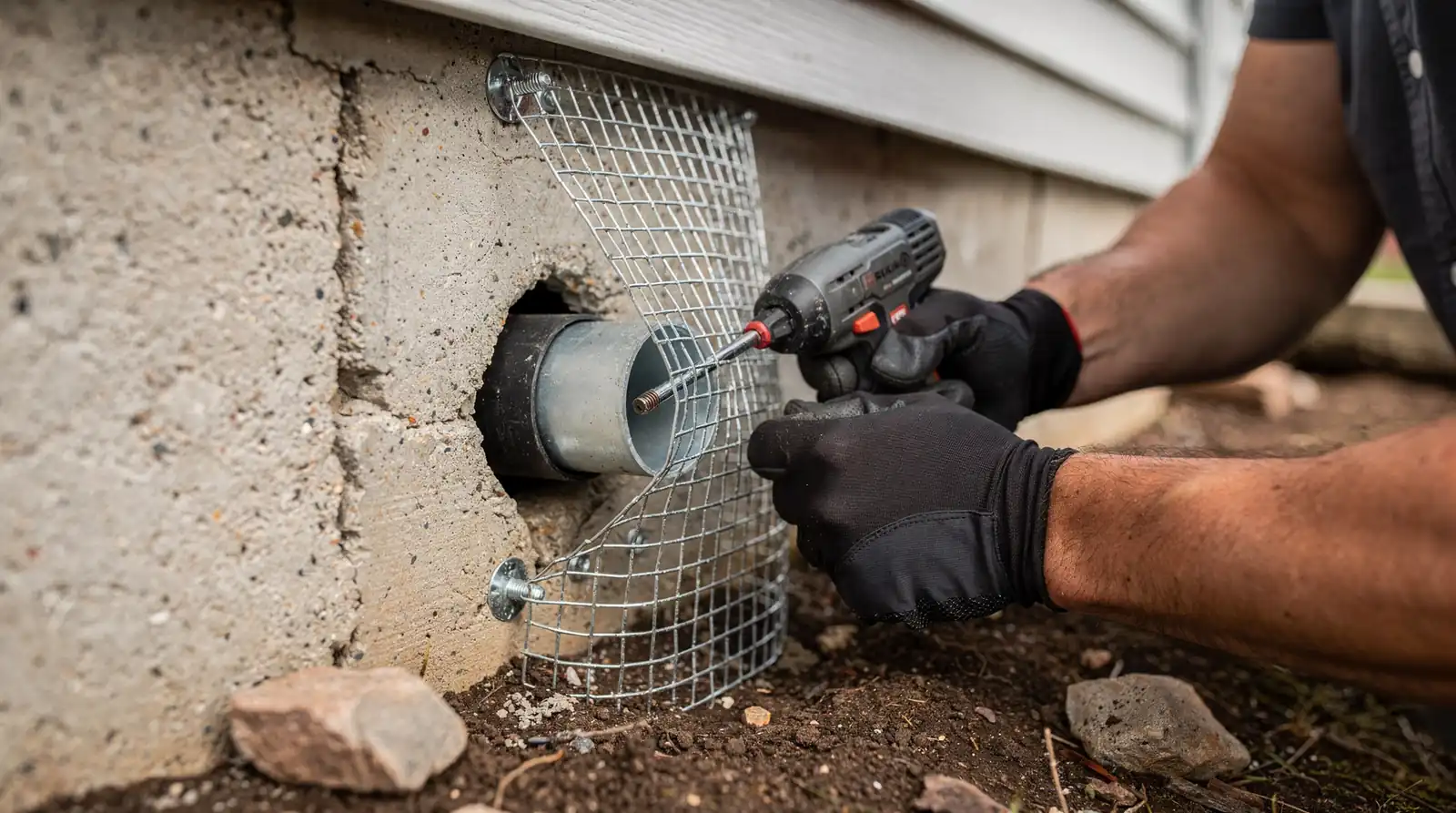
Exclusion means sealing every gap, crack, and utility penetration a rodent could use to enter a structure. Mice squeeze through openings the size of a dime; rats need only a quarter-sized gap. Skipping this step and reaching straight for bait stations treats a symptom while the entry points stay wide open. Mechanical exclusion addresses the cause, not just the visible activity. A distinction that matters because uncontrolled rodents damage property, violate housing codes, transmit disease, and cause ecological harm before an owner even notices signs of infestation.
Nukingstreet technicians follow a defined sequence rather than a generic checklist:
- Inspect the foundation, roofline, and utility lines for gaps larger than a quarter-inch.
- Seal openings with rodent-proof materials — steel wool, hardware cloth, or copper mesh — rather than caulk alone, since rodents chew through soft sealants.
- Install door sweeps and repair damaged screens on vents and crawl space openings.
- Trim vegetation and remove wood piles touching the exterior, cutting off access routes and nesting cover.
- Set mechanical traps in confirmed activity zones to remove existing rodents without introducing toxicants.
Why does exclusion come before chemical treatment?
Exclusion removes the reason bait would be needed in the first place. Chemical safety pest control starts with the principle that a sealed structure needs far less product — or none — to stay rodent-free. This ordering reflects a targeted philosophy: pest control should never default to a blanket application of whatever chemical costs least.
Owner Jeffrey Davis holds the Associate Certified Entomologist designation along with wildlife control operator exclusion certifications, training that shapes how technicians identify entry points others miss. One technician, one truck, and a relentless standard for correct work the first time — that approach underlies every exclusion job before any eco-friendly rodent control measure gets considered.
Step Three: How Do You Choose Eco-Friendly Products?
Product selection determines whether a rodent control plan protects a property or quietly endangers it. Homeowners in Connecticut who compare rodenticide alternatives ct providers offer often find a wide gap between companies that lead with poison bait and those that lead with prevention. The right choice starts with a clear standard: nothing enters the home or yard that risks a child, a pet, or a neighborhood hawk.
Follow these steps when evaluating a product or a provider’s approach:
- Ask what happens after the rodent eats the bait. Anticoagulant poisons don’t kill instantly — a poisoned mouse can wander for days, becoming easy prey for owls, hawks, and foxes that then absorb the toxin themselves.
- Prioritize mechanical and monitoring tools over poison. Traps, exclusion work, and sensor-based detection remove rodents without introducing a toxin into the food chain at all.
- Confirm the technology used for detection. Nukingstreet deploys AI-powered electronic monitoring to track rodent activity in real time, giving technicians precise data instead of guesswork — a high-tech option most competitors skip.
- Request a health-conscious plan if anyone in the household is chemical-sensitive. Cancer survivors, individuals with respiratory conditions, and families with small children and pets deserve a specialized, low-toxicity strategy built around their specific concerns.
Why avoid rodenticides at all?
Skipping rodenticide use protects far more than the target rodent. Birds of prey, owls, and other wildlife face real risk of secondary poisoning when they eat contaminated rodents, and household pets face similar exposure risk if they find bait or a poisoned carcass outdoors.
Eco-friendly rodent control also supports broader chemical safety pest control goals by keeping pollinators and local ecosystems out of the line of fire whenever chemical intervention truly becomes necessary.
What Mistakes Undermine Chemical Safety Efforts?
Two errors dominate: reaching for poison first and treating every infestation the same way. Property managers and homeowners across Connecticut lose ground on chemical safety pest control the moment they skip prevention and go straight to bait stations. Many companies in this industry lead with chemicals and react to problems instead of stopping them before they start. A pattern that leaves families, pets, and local wildlife exposed to unnecessary risk.
Why does treating every rodent problem the same way cause harm?
Rats and mice enter homes for different reasons — food access, shelter gaps, moisture. Yet a blanket pesticide application ignores those root causes. Families with children, pet owners, and cancer survivors need a health-conscious strategy, not a one-size-fits-all treatment. Applying conventional rodenticide without assessing exposure risk repeats the same mistake seen industry-wide.
What happens when secondary poisoning goes unchecked?
Wildlife veterinarians have documented the cost firsthand. Necropsy records show great horned owls with hematomas running the length of a wing. Red-tailed hawks with body cavities filled with unclotted blood — injuries traced to eating poisoned rodents. Veterinarians who study these cases serve as wildlife advocates, not just scientists cataloguing damage.
Avoiding these mistakes starts with a shift in mindset:
- Diagnose the entry point and food source before applying any treatment.
- Choose eco-friendly rodent control methods suited to the specific property.
- Reserve chemical intervention for cases where mechanical methods fall short.
- Document exposure risk to pets, children, and nearby wildlife before proceeding.
Skipping these steps invites the same secondary poisoning outcomes documented in raptor populations.
Choosing rodenticide alternatives protects your family, pets, and the environment while delivering effective pest control. A mechanical-first approach combined with integrated pest management strategies addresses rodent problems at their source without unnecessary chemical exposure. Professional pest control specialists understand the nuances of safe, responsible rodent management and can guide you toward solutions that work. Your home deserves protection that doesn’t compromise the health of those living in it.
Common Questions About Safe Rodent Control in CT
What are safer alternatives to rodenticides?
Mechanical exclusion, snap traps, sealing entry points, sanitation guidance, and natural deterrents replace poison baits. Nukingstreet Pest & Wildlife Control in Enfield, CT applies this mechanical-first, chemical-last approach for households.
Why does Nukingstreet avoid second-generation anticoagulant rodenticides?
SGARs persist longer in animal tissue, increasing secondary-poisoning risks to predators that eat poisoned rodents. Nukingstreet avoids these products entirely, along with neonicotinoid pesticides, to protect pets, wildlife, and pollinators.
Who leads Nukingstreet Pest & Wildlife Control’s rodent management approach?
Associate Certified Entomologist Jeffrey Davis leads the company’s mechanical-first, chemical-last strategy. This approach serves households across Northern CT and Western MA from the Enfield, CT base.
Facts
- Nukingstreet Pest & Wildlife Control, LLC is located in Enfield, CT.