
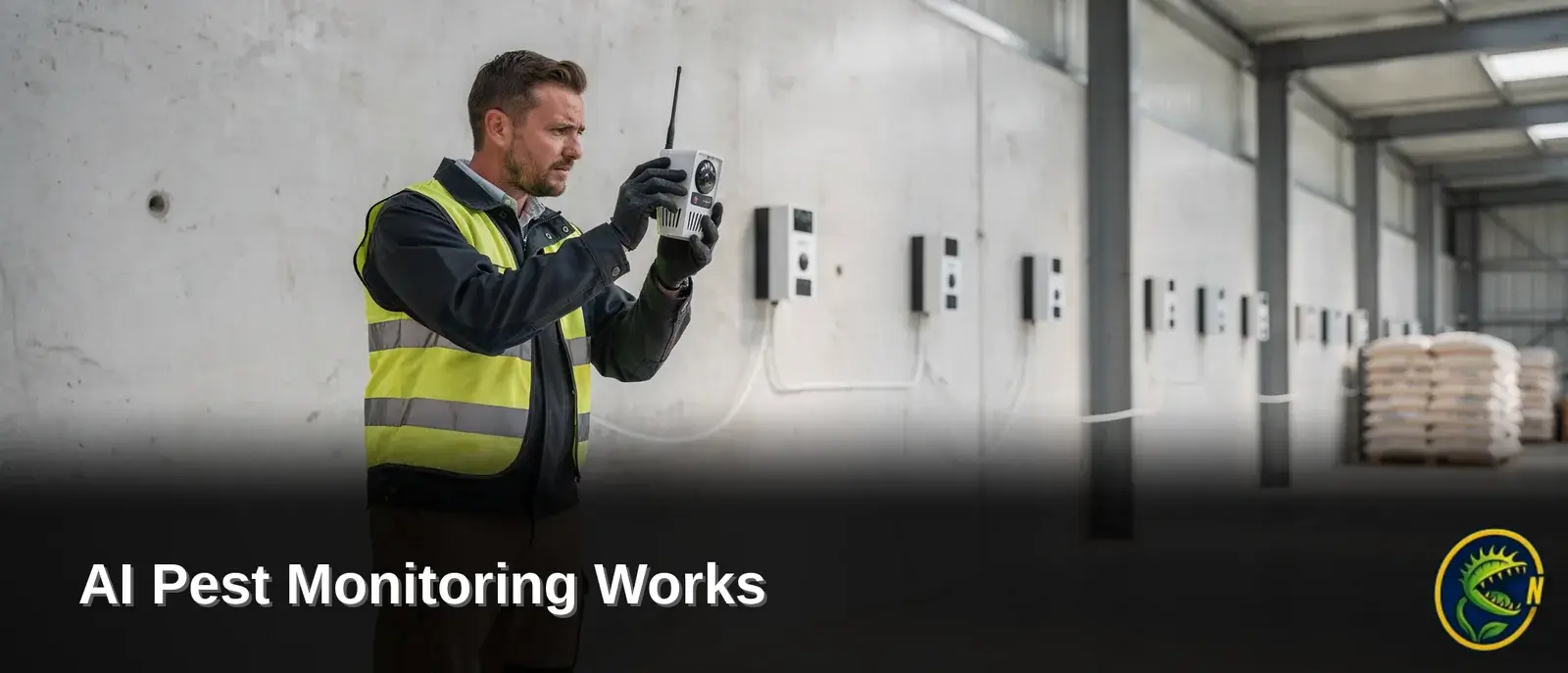
How AI Pest Monitoring Works
By Nukingstreet Pest & Wildlife Control LLC Editorial Team · Updated 2026-08-07
AI-powered remote monitoring places connected sensors. Cameras at key property points, sending continuous activity data to Nukingstreet’s team between scheduled visits. Founded in 2007 under ACE-certified owner Jeffrey Davis, the company pairs this technology with a mechanical-first approach, catching pest activity early and giving homeowners and property managers 24/7 protection without relying on chemical treatments.
The Benefits of AI-Driven Pest Monitoring
- AI and camera technology enhance traditional pest control methods, reducing reliance on expensive chemical treatments.
- Nukingstreet Pest & Wildlife Control, founded in 2007, operates from Enfield, Connecticut with owner Jeffrey Davis.
- Artificial Intelligence performs intelligent tasks traditionally requiring human expertise in pest detection and monitoring.
- AI-powered remote monitoring reduces environmental dangers associated with conventional pest control chemical treatments.
What Is AI Remote Pest Monitoring?
Artificial intelligence describes computer systems built to perform tasks once thought to require human judgment. Spotting patterns, flagging anomalies, and learning from data over time. Applied to pest control, this same reasoning power drives how AI pest monitoring works: sensors and cameras watch properties around the clock, catching activity long before a homeowner or property manager would ever notice it firsthand.
Pest control has moved well past sticky traps and scheduled chemical sprays. Modern systems now rely on smart, connected devices that collect real data instead of waiting for visible damage to appear. That shift matters for anyone managing a home, rental unit, or commercial building where pest activity can spread fast between visits.
How does remote monitoring actually detect pests?
Remote pest sensors explained simply: small electronic devices placed in key areas — basements, kitchens, crawl spaces — track movement, temperature changes, and activity patterns. Data streams back continuously, so a spike in nighttime movement or an unexpected heat signature gets flagged immediately rather than discovered weeks later.
Why does this matter more than traditional inspections?
Traditional inspections capture a single moment in time. AI pest detection technology fills the gaps between those visits, giving property owners continuous visibility instead of periodic snapshots.
Nukingstreet, founded in 2007 in Enfield, Connecticut, under ACE-certified owner Jeffrey Davis, addresses the gap in pest detection between visits. The company deploys AI-powered electronic monitoring technology as part of its standard offering. A high-tech capability most pest control companies in the region still don’t provide. For clients, that means threats get caught early, often before an infestation ever takes hold.
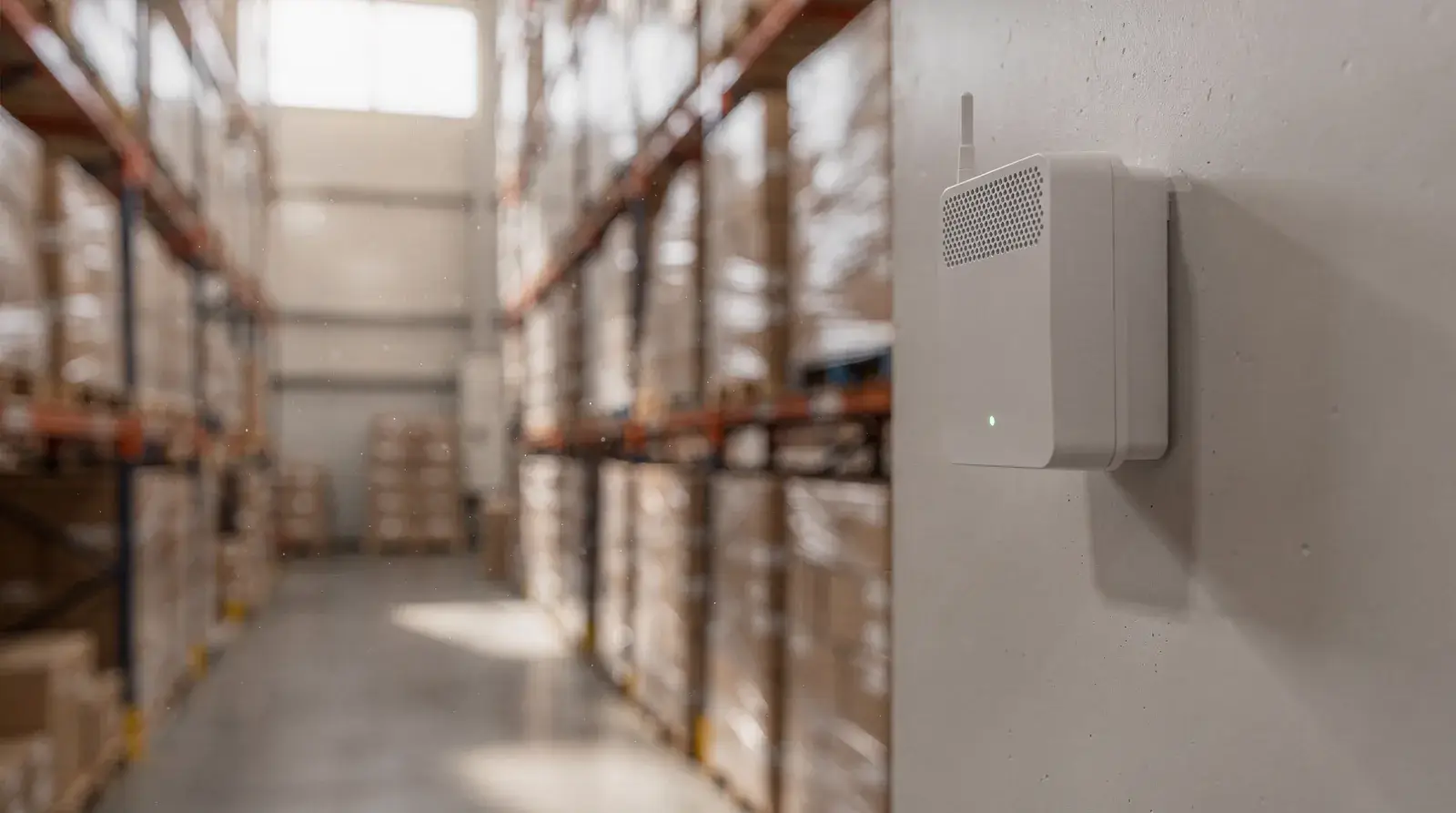
How Do Remote Pest Sensors Work?
Cameras and sensors form the backbone of modern AI pest detection, scanning properties around the clock for heat signatures, movement, and sound linked to pest activity. This automated network catches early warning signs long before an infestation becomes visible to the naked eye. Understanding how AI pest monitoring works starts with this constant, silent data collection happening in crawl spaces, kitchens, and storage areas alike.
Once the sensors gather raw data, machine learning algorithms take over. These systems process patterns from heat, motion, and sound to identify specific pest species and flag activity while insects remain in early larval or nymph stages. That early identification matters — pests caught before maturity are far easier to control and far less costly to remediate.
What makes remote sensors different from a technician’s visit?
A technician’s inspection is a snapshot; remote pest sensors run continuously between visits. Property managers and homeowners gain visibility into activity that would otherwise go unnoticed for weeks. This continuous feed transforms pest control from a reactive scramble into a proactive strategy, catching root causes rather than chasing symptoms after damage appears.
How does Nukingstreet apply this technology?
Nukingstreet pairs sensor data with forensic-level inspection, tracing pest activity back to its true source rather than treating surface symptoms. Mechanical exclusion — sealing entry points, removing harborage, correcting moisture issues — happens before any product touches the property.
That sequence — sense, diagnose, exclude — keeps chemical use as a last resort, not a first response.
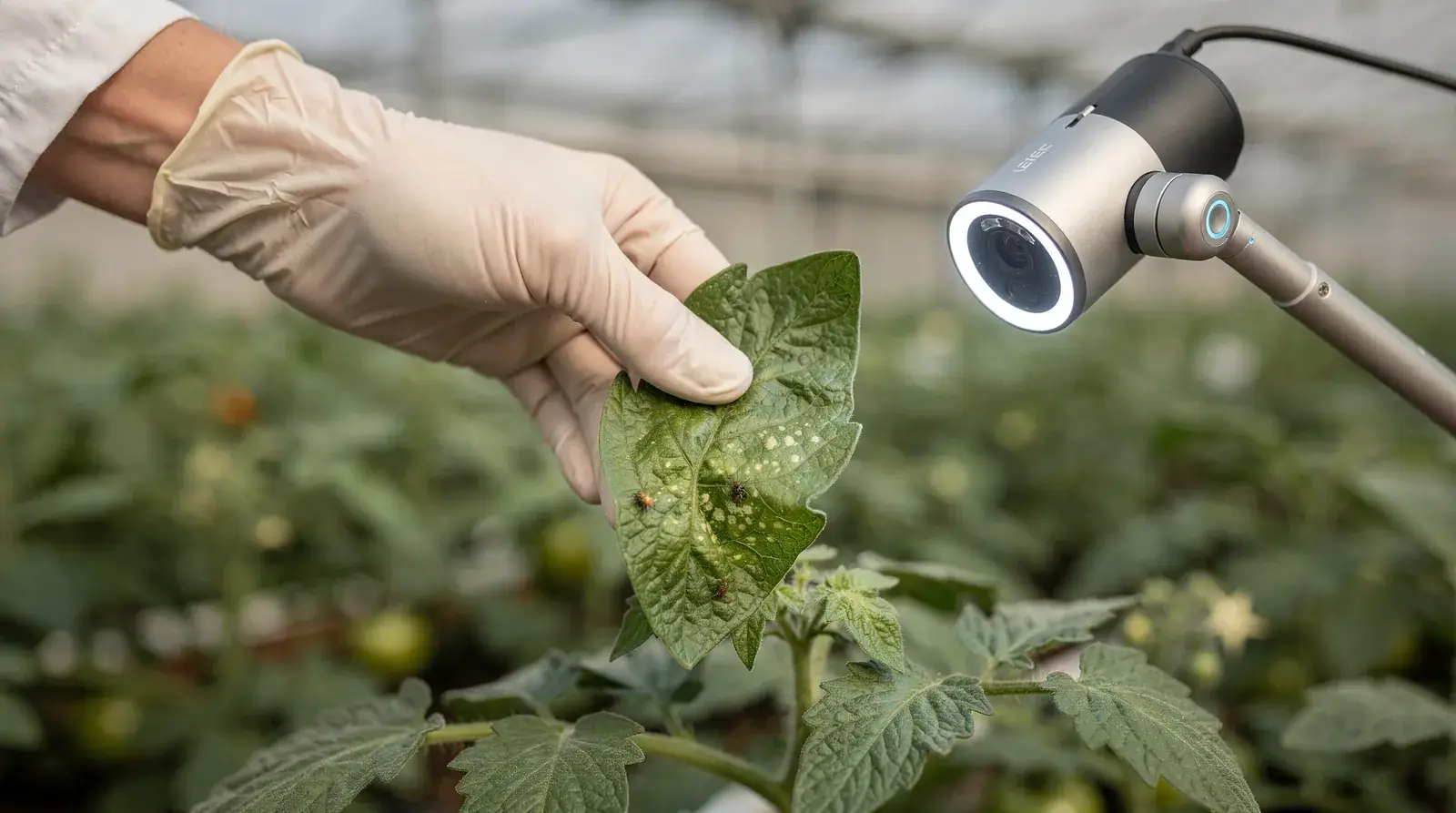
How Does AI Pest Detection Spot Problems Early?
Sensors and camera systems catch pest activity days or weeks before visible damage appears, flagging patterns technicians would otherwise miss between visits. That early warning changes the entire treatment approach. Instead of reacting to an infestation after it spreads through walls or a crawlspace, monitoring technology identifies the first signs of movement, and a targeted response follows.
Early detection carries a real financial and environmental payoff. Catching activity sooner typically means less pesticide gets applied to solve the problem, which protects both the household budget and the surrounding ecosystem. Compare that to older methods.
What’s Wrong With Traditional Pest Control Methods?
Traditional pest control leans heavily on chemicals and manual labor, and that combination brings real downsides. These methods often run expensive, carry environmental risk, and still fail to solve the problem in some cases. Nukingstreet’s approach avoids that trap by using remote pest sensors explained through continuous monitoring rather than routine blanket spraying.
That distinction matters for anyone managing a home or property. Nukingstreet applies AI pest detection as part of a targeted strategy. Never a blanket spray of whatever product happens to be cheapest. Products get selected and applied only where activity is confirmed, not across an entire structure as a precaution.
The same philosophy shapes what does not get used. Nukingstreet steers clear of second-generation anticoagulant rodenticides that poison wildlife up the food chain, along with neonicotinoid pesticides linked to pollinator decline. Understanding how ai pest monitoring works helps property owners see why this restraint is possible:
- Sensors flag activity in real time, narrowing where treatment is needed
- Technicians respond to confirmed data, not guesswork
- Chemical use shrinks to only what the situation actually requires
- Wildlife and pollinators stay protected from unnecessary exposure
Continuous monitoring turns pest control from a reactive scramble into a controlled, evidence-based process.
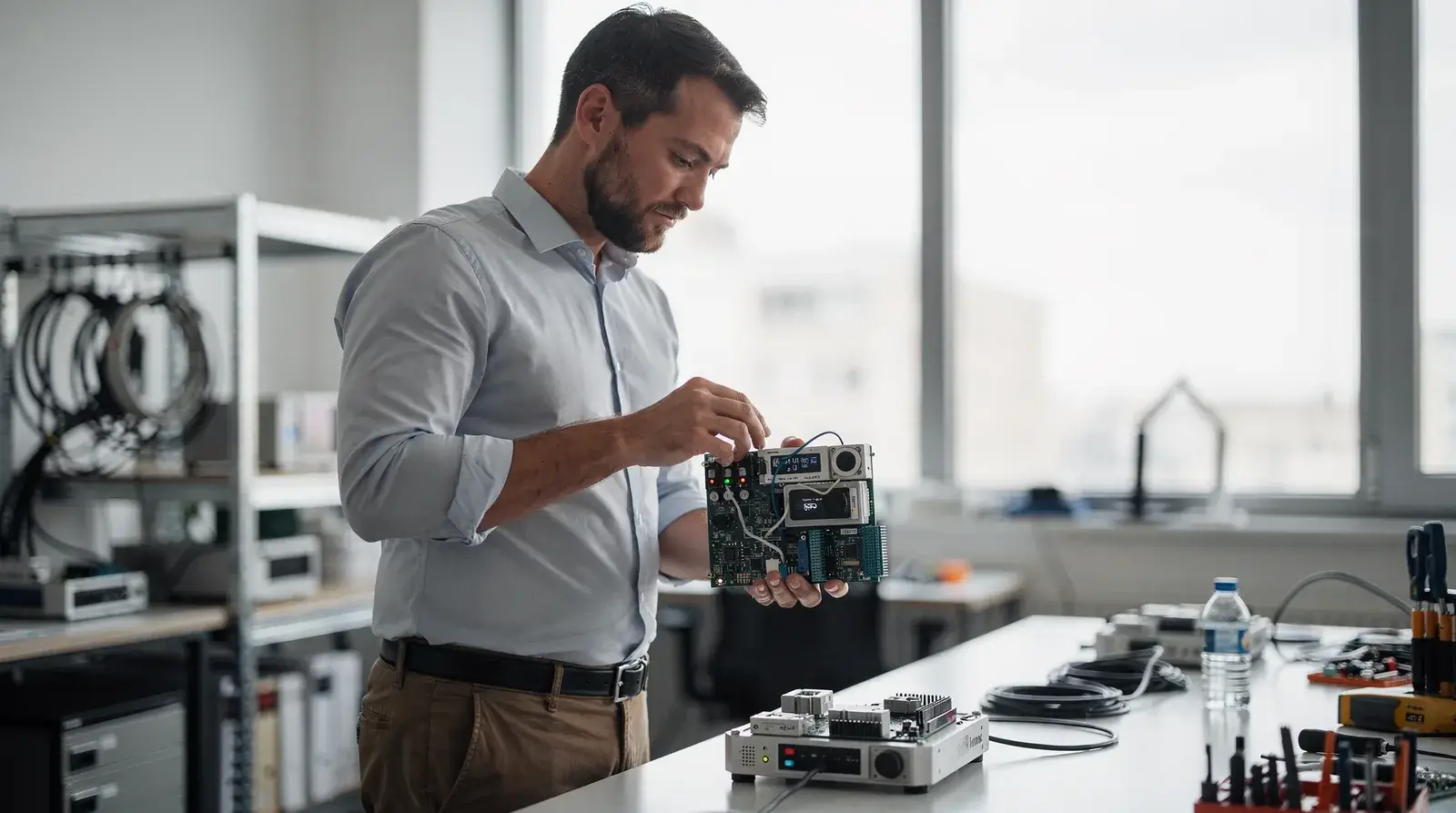
Why Does Nukingstreet Use This Technology?
Nukingstreet invests in continuous monitoring because pest problems rarely announce themselves during a scheduled visit. Owner Jeffrey Davis, an Associate Certified Entomologist (ACE), built the company’s approach on formal entomological training, not guesswork. That credential shapes how the technology gets deployed. As a diagnostic tool grounded in pest biology, not a gimmick bolted onto an old sales model.
The founding conviction behind Nukingstreet still drives the decision. Jeffrey Davis started the company believing pest control could be done better than the industry standard. Too many companies default to chemical treatments first and only react once an infestation is already visible. Customers often get treated like account numbers instead of people with real concerns about their homes.
Does remote monitoring replace the need for chemical treatments?
Not entirely, but it changes the order of operations. How AI pest monitoring works is by flagging activity early. Technicians can intervene with targeted, minimal treatments instead of broad chemical applications after damage has already spread.
Who benefits most from continuous pest sensors?
Families, cancer survivors, and pet owners with heightened sensitivity to chemical exposure gain the most peace of mind. Nukingstreet’s health-conscious philosophy means fewer unnecessary treatments and less risk inside the home.
Continuous coverage matters because pest activity happens around the clock, not just during appointments:
- Remote pest sensors explained simply: devices track movement, heat, or activity patterns between visits.
- AI pest detection flags unusual patterns before they become full infestations.
- Early alerts reduce the need for aggressive, reactive chemical intervention.
This proactive posture reflects Jeffrey Davis’s core belief: pest control should prevent, not just respond.
What Should Property Owners Do Next?
Property owners evaluating continuous protection should start by asking how ai pest monitoring works. Whether a provider’s technology fits both residential and commercial needs. Smart pest control technology optimizes detection and prevention between scheduled visits, closing the gap that traditional inspections leave open. Homeowners in apartment complexes and commercial property managers alike benefit from systems that flag activity the moment it starts, not weeks later.
Nukingstreet Pest & Wildlife Control, based in Enfield, CT, positions itself to serve homeowners and property managers across Northern CT and Western MA with this kind of technology-driven approach. Requesting a property assessment that includes remote pest sensors explained in plain terms. Placement, monitoring frequency, and what triggers an alert — gives owners a clearer picture of coverage before committing.
Is AI Pest Detection Safe for Pets and Landscaping?
Yes. Environmentally responsible methods protect pollinators, wildlife, and local ecosystems rather than working against them. Ai pest detection paired with mechanical-first strategies reduces reliance on broad chemical treatments, which matters for households with pets, gardens, or nearby wildlife habitat.
What Questions Should Owners Ask a Provider?
Before signing a service agreement, property owners should confirm the following:
- Does the monitoring system cover both interior and exterior risk zones?
- How quickly does an alert reach the technician after detection?
- What treatment philosophy backs up the technology — mechanical-first, chemical-last, or something else?
- Are the sensors and methods safe for pets, children, and local wildlife?
Technology-driven pest management creates safer, more sustainable outcomes for both homes and businesses. Owners who ask these questions upfront avoid gaps in protection and gain a partner focused on prevention, not just reaction.
AI-powered remote monitoring represents a meaningful evolution in how Nukingstreet protects properties across Northern Connecticut and Western Massachusetts. By combining technology with professional expertise, this approach delivers continuous surveillance and early detection—giving homeowners and business owners genuine peace of mind. When paired with our mechanical-first, chemical-last methodology, remote monitoring ensures effective pest management that prioritizes your family, pets, and environment. That’s the Nukingstreet difference: innovation grounded in responsibility.
Frequently Asked Questions About AI Pest Monitoring
How does AI remote pest monitoring work?
Connected sensors and cameras placed at key property points track movement, temperature changes, and sound linked to pest activity, sending continuous data to Nukingstreet’s team between scheduled visits.
Why is remote monitoring better than traditional inspections?
Traditional inspections only capture a single moment in time. AI pest detection technology fills the gaps between visits, giving property owners continuous 24/7 visibility instead of periodic snapshots.
Does AI pest monitoring rely on chemical treatments?
No, Nukingstreet pairs AI technology with a mechanical-first approach, catching pest activity early and protecting properties without relying on chemical treatments.
Facts
- Nukingstreet Pest & Wildlife Control, LLC is located in Enfield, CT.