
Wood-destroying insects like carpenter ants and termites pose significant threats to residential structures in Western Massachusetts and Connecticut. Understanding how to identify the damage caused by these pests is crucial for homeowners looking to protect their investments effectively. This article not only explores the distinguishing features of carpenter ant and termite damage, but it also provides insights on prevention, treatment options, and inspection strategies. By recognizing signs of infestation early and knowing the proper course of action, homeowners can mitigate the risks of structural damage and associated repair costs. The following sections will cover the key signs of infestation, the risks posed to homes, treatment options available, and essential inspection methods.
How Can You Identify Carpenter Ant Damage Compared to Termite Damage?
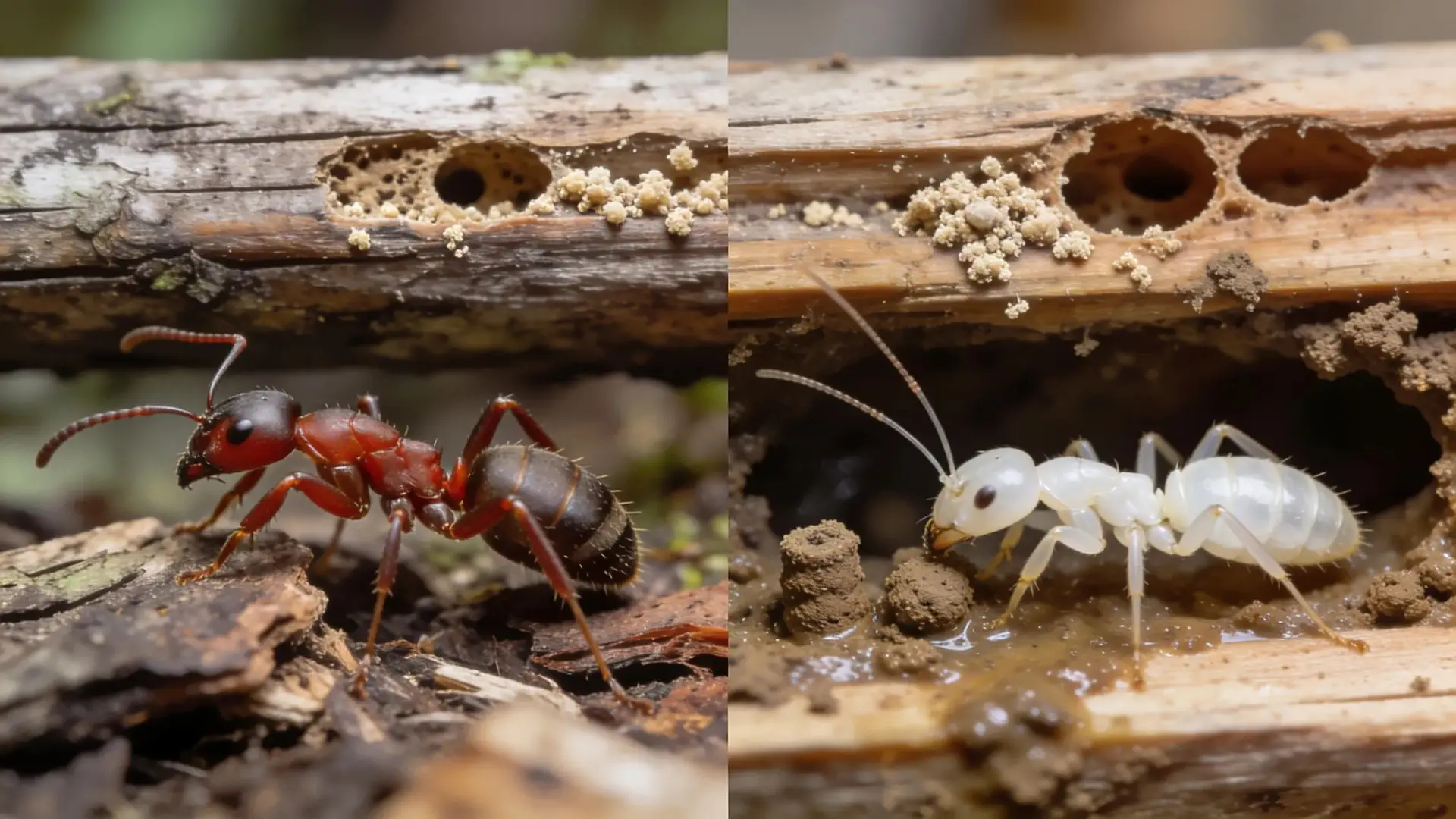
Differentiating between the damage caused by carpenter ants and that from termites is vital for developing an effective treatment strategy. Both pests compromise structural integrity, but their damage manifests in distinct ways. Recognizing these differences enables homeowners to respond promptly and appropriately.
What Are the Key Signs of Carpenter Ant Infestation in Homes?
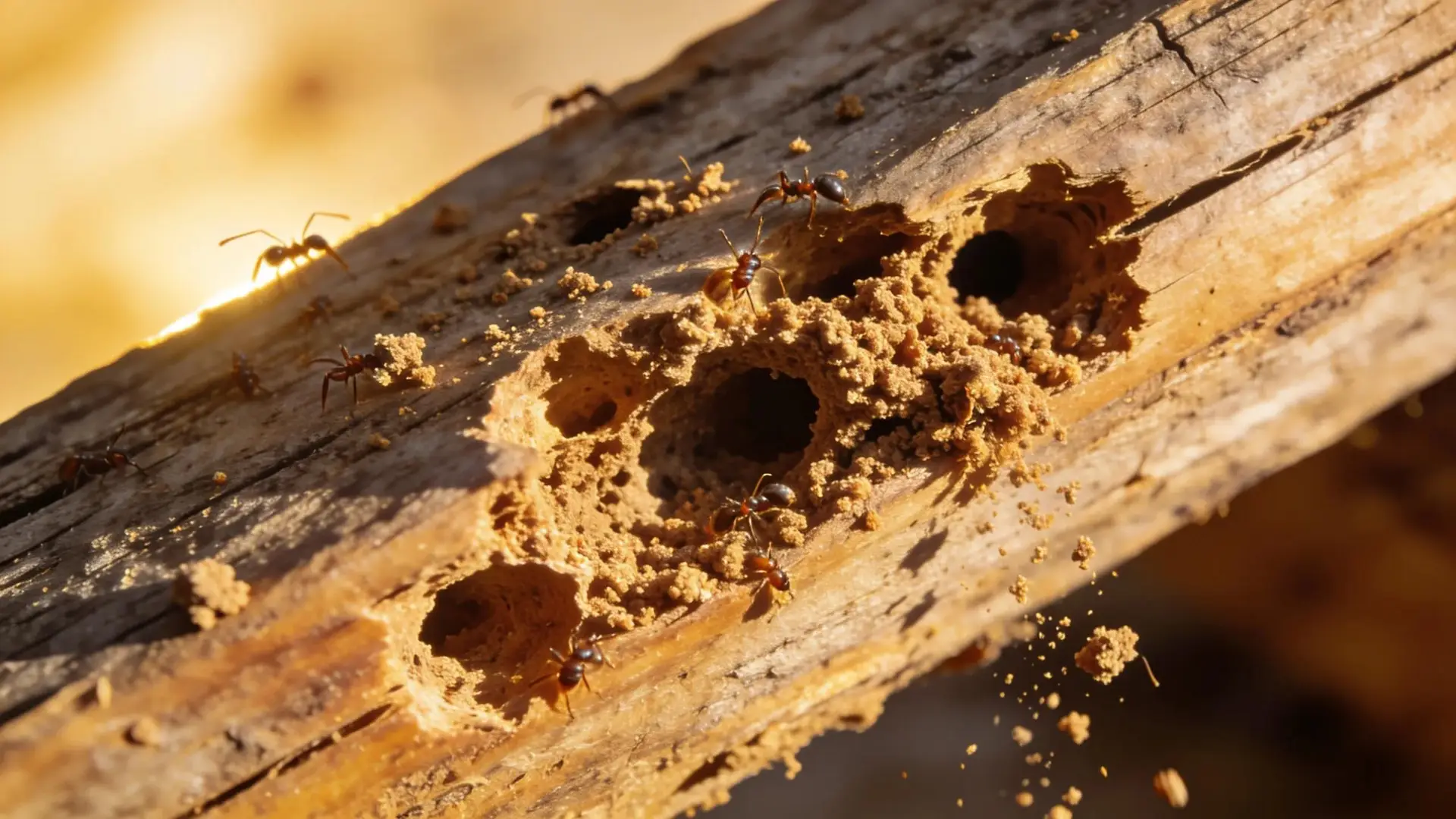
Carpenter ants typically leave several tell-tale signs of their presence within a home:
Frass Evidence: Unlike termites, carpenter ants produce coarse sawdust known as frass as they excavate wood. Observing this material can indicate an active infestation.
Nesting Sites: Carpenter ants often create nesting sites within wooden structures and areas with moisture. Signs may include small holes and the presence of worker ants.
Entry Points: Homeowners may notice ants entering through gaps in the wood or around window frames, which can also point to potential nesting sites nearby.
Recognizing these signs early can facilitate quicker action, reducing the potential damage.
How Does Termite Damage Differ in Appearance and Impact?
Termite damage presents differently from that of carpenter ants, often characterized by:
Mud Tubes: Termites build mud tubes to protect themselves from predators and moisture loss, which are commonly found leading from the soil to wooden structures.
Hollow Wood: As termites consume wood from the inside out, hollow-sounding wood can indicate severe underlying damage.
Identifying Damage Location: Homeowners may find signs of termite activity in specific locations due to their feeding habits, often around foundations or areas of high moisture.
Understanding these characteristics allows homeowners to differentiate between the two types of pest damage effectively.
What Are the Risks and Impacts of Carpenter Ant and Termite Damage on Residential Structures?
Both carpenter ants and termites pose significant risks to the structural integrity of homes. While they may exhibit different behaviors, their impacts can lead to costly repairs and safety hazards.
How Do Carpenter Ants Cause Structural Damage to Wood Materials?
Carpenter ants do not consume wood as a food source; however, their nesting behavior can cause substantial damage. They create galleries in wood to expand their nests, which can compromise the stability of beams and other structural components.
The damage can manifest as:
Structural Instability: Extensive tunneling can weaken load-bearing walls, risking collapse.
Associated Health Risks: Damage can also create conditions conducive to mold growth due to moisture retention, thereby posing health risks to inhabitants.
The long-term effects of carpenter ant infestations necessitate prompt intervention to avoid cumulative damage.
What Structural Problems Do Termites Cause in Western MA and CT Homes?
Termites, by contrast, actively feed on wood, leading to severe and often hidden destruction. The impacts include:
Types of Wood Affected: Termites can damage any wood within a home, including framing, floors, and furnishings, making it essential to address infestations quickly.
Construction Vulnerabilities: Homes in areas with high moisture levels may be more susceptible to termite invasions due to softened wood.
Repair Needs: Treating infestations typically requires both pest control measures and significant repairs to affected structures, which can become quite costly.
Understanding the distinct types of damage each pest can cause highlights the importance of early identification and treatment.
Which Treatment Options Are Effective for Carpenter Ant and Termite Control in Northern Connecticut and Western Massachusetts?
Effective pest control starts with recognizing the right treatment strategies for carpenter ants and termites. Various approaches can yield significant results.
What Professional Carpenter Ant Extermination Services Does Nukingstreet Provide?
Nukingstreet Pest & Wildlife Control LLC offers comprehensive extermination services tailored to addressing carpenter ant infestations. Their services include:
Inspection: Thorough assessments of homes to identify active nests and signs of infestation.
Extermination Strategies: Development of specific plans that may involve baiting and chemical sprays targeted at the ant population.
Ongoing Monitoring: Continuous monitoring to prevent future infestations.
Accessing professional services ensures that infestations are tackled using proven methods, reducing the risk of recurrent issues.
How Are Termites Treated and Prevented by Local Pest Control Experts?
Local pest control experts employ several strategies for effective pest management:
Chemical Treatments: Use of pesticides around the foundation of homes to establish a barrier against subterranean termites.
Preventive Strategies: Recommendations may include improving ventilation and reducing moisture in susceptible areas, as well as annual inspections to catch potential infestations early.
Local Expert Roles: Professionals are trained to stay updated with the latest methodologies and regulations for pest control.
The combination of treatment and prevention enhances the long-term effectiveness of pest management strategies.
How Can Homeowners Inspect and Monitor Wood-Destroying Insects Effectively in Western MA and CT?
Homeowners can play a crucial role in monitoring for wood-destroying insects through proactive inspection practices.
What Are the Best Practices for Conducting Carpenter Ant and Termite Inspections?
Regular inspections can help identify potential issues before they escalate. Effective practices include:
Frequency of Inspections: Conducting inspections at least once a year, or more often in high-risk areas.
Tools Needed: Utilizing moisture meters and specialized lighting to detect signs of activity hidden from plain sight.
Professional Help: Engaging pest control professionals for evaluations can greatly enhance detection efficacy.
Employing these practices gives homeowners a better chance to manage pest threats.
Which Local Infestation Trends and Statistics Inform Inspection Priorities in 2026?
Current statistics reveal emerging trends in wood-destroying insect infestations. In 2026, the following points have been highlighted:
Yearly Trends: An increase in carpenter ant activity is seen in wet seasons, while termite activity peaks during warmer months.
Regional Data: Specific regions within Western MA and CT witness higher instances of termite activity, necessitating targeted inspection strategies.
Recommendations for Homeowners: Utilizing these trends can help homeowners prioritize inspections and treatment plans based on regional susceptibility.
By understanding local trends, homeowners can stay informed and prepared to respond to these pest threats.
What Are the Costs and Benefits of Carpenter Ant Extermination and Termite Treatment in CT and Western MA?
Considering the financial implications of pest control services is essential for homeowners.
How Much Does Carpenter Ant Treatment Typically Cost in Northern CT?
The cost of carpenter ant treatment in Northern Connecticut varies based on several factors, including:
Average Costs: Typical treatment can range from $150 to $500, depending upon the severity of the infestation.
Factors Affecting Cost: Complexity of the infestation, size of the property, and whether follow-up visits are needed can all influence total pricing.
Cost Efficiency of Prevention: Investing in preventive measures can lead to significant savings by avoiding extensive damage repairs.
Prioritizing pest reduction can provide families with long-term savings.
What Are the Long-Term Benefits of Investing in Professional Termite and Ant Control?
Investing in professional pest control services yields numerous long-term advantages:
Cost Savings: Regular treatments and inspections can prevent severe infestations that commonly incur high repair costs.
Structural Integrity Maintenance: Maintaining a pest-free environment helps preserve the structural stability of homes.
Reinfestation Prevention: Expert treatment often includes guarantees that prevent the likelihood of reinfestations.
The benefits make a strong case for the importance of ongoing pest management.
How Can Homeowners Prevent Reinfestation and Repair Structural Damage Caused by Wood-Destroying Insects?
Prevention strategies play a crucial role in managing wood-destroying insects effectively.
What Are Effective Prevention Strategies Against Carpenter Ants and Termites?
Homeowners can implement several strategies to deter both carpenter ants and termites, including professional rodent control measures for all-around property defense:
Moisture Management: Addressing and minimizing moisture around foundations and in attics to inhibit pest development.
Regular Inspections: Keeping up with annual inspections to catch potential problems before they escalate.
Sealing Entry Points: Closing gaps and crevices around foundations, walls, and windows to prevent pests from entering.
Utilizing these strategies can fortify homes against potential infestations.