

Mole Control Enfield: Protect Your Lawn
By Nukingstreet Pest & Wildlife Control LLC Editorial Team · Updated 2026-08-07
Nukingstreet Pest & Wildlife Control, LLC provides mole and vole control for lawns and gardens in Enfield, CT, using targeted trapping, burrow treatments, and habitat modification to eliminate tunneling damage. Technicians identify active runways, place traps at key entry points, and monitor results to restore healthy turf and protect landscaping year-round.
Moles, ranging 4 to 8 inches with paddle-like digging feet, tunnel underground for earthworms and grubs. Voles gnaw roots and bark. Effective control requires correctly identifying which pest is present. Applying species-specific methods, a service Nukingstreet Pest & Wildlife Control, LLC provides from Enfield, CT.
Effective mole and vole control requires correct identification and the application of species-specific methods. Nukingstreet Pest & Wildlife Control, based in Enfield, Connecticut, uses mechanical-first methods to repel both species from lawns and gardens without relying on chemical treatments.
Key Takeaways
- Moles range from 4 to 8 inches long and spend most of their lives underground creating damage.
- Moles and voles cause different types of damage and require completely different control methods for effective treatment.
- Moles lack external ears and have tiny eyes, relying on other senses to navigate underground tunnels.
- Nukingstreet Pest & Wildlife Control in Enfield, CT provides professional mole and vole removal services for lawns.
What’s Damaging Your Lawn—Moles or Voles?
Raised ridges and winding surface tunnels point to one culprit: something is living and moving beneath the grass. Diagnosing which underground pest caused the damage is the first step toward effective mole control in Enfield and a lawn that actually recovers.
Moles rank as insectivores, not rodents, equipped with paddle-like feet built for digging rather than gnawing. That anatomy explains why mole activity produces raised ridges pushed up from below rather than chewed stems or gnawed roots at the surface. Voles cause a different kind of mess, favoring surface runways and damaged vegetation, but the underlying warning sign is the same: a lawn texture that looks wrong compared to last season.
How Can Homeowners Tell Which Pest Is Digging Under the Lawn?
Ridges and mystery tunnels rarely reveal their maker at first glance. The animal responsible stays hidden underground for most of its life. Homeowners have to read the damage pattern instead of spotting the pest itself. Raised, ridged tunneling points toward mole activity; flattened surface paths through matted grass point more toward voles.
Why Does Correct Diagnosis Matter Before Starting Vole Removal in the Yard?
Guessing wrong wastes both time and money on the wrong fix. A proactive approach, one built around finding the root cause instead of only chasing visible symptoms, separates a lasting solution from a temporary patch. That diagnostic step comes first. Any trap, barrier, or repellent strategy meant to protect the lawn from moles or voles gets chosen. Skipping it means treating the wrong problem while the real one keeps tunneling.

What Tools and Signs Should You Gather First?
Documentation comes before treatment. Raised ridges and disrupted turf across the yard signal mole tunneling underneath. Photographing that damage gives a property owner a clear before-and-after record once mole control Enfield service begins.
A short supply list makes the first inspection faster and more accurate. Gather these items before walking the property:
- A flashlight for checking tunnel openings in low light
- A small flag or stake kit to mark active runways
- A notepad or phone camera to log ridge locations and dates
- Gloves, since digging through soil and identifying droppings requires direct contact
How can homeowners tell moles from voles in the yard?
Moles push up raised, winding ridges as they tunnel beneath the surface hunting grubs and earthworms. Voles, by contrast, leave visible surface runways and chewed vegetation near ground level. Confirming which pest caused the damage prevents wasted effort on the wrong fix and sharpens any plan for vole removal yard work down the line.
Once the damage is mapped, the real work of planning begins. A targeted strategy always outperforms a blanket spray of whatever product happens to be cheapest. Precision matters more than volume. That precision also protects the household: choosing tools and products with a health-conscious mindset matters most for families with young children, cancer survivors, and pet owners who spend time on the same lawn.
Gathering this evidence isn’t busywork. It shapes every decision that follows, from bait placement to habitat modification, and it’s the foundation for any serious effort to protect lawn from moles before damage spreads further across the property.
How Do You Stop Mole Damage Step by Step?
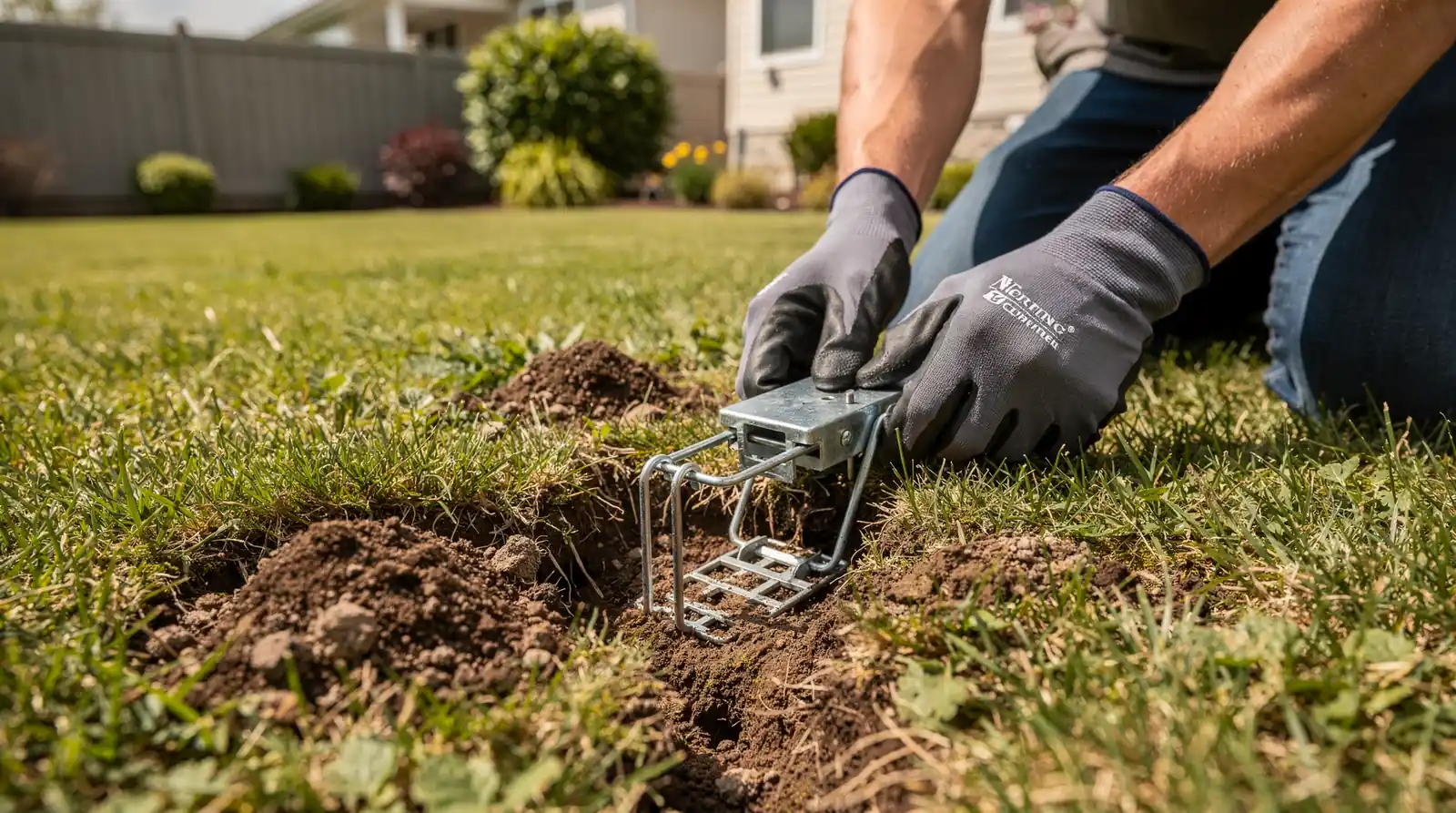
Stopping mole damage starts with speed, not chemicals. A single mole tunnels across a remarkable stretch of ground in just one day, which explains why lawn damage often looks far worse than the actual mole population underground. Waiting even a week lets ridges and tunnels spread across a yard that looked fine the week before.
Effective mole control enfield homeowners can trust follows a sequence, not a single spray-and-hope treatment. Reactive, chemical-first responses treat the symptom while the tunneling continues below the surface. A structured process addresses the root cause instead.
- Inspect the yard for raised ridges, soft soil, and active tunnel entrances.
- Map the tunnel network to distinguish surface runways from deeper travel tunnels.
- Identify the food source driving activity, typically grubs or earthworms near the root zone.
- Choose mechanical trapping over blanket chemical applications as the primary control method.
- Reduce the grub population naturally to remove the incentive for moles to stay.
- Monitor the treated area for new ridges over the following weeks.
Why Avoid Chemical-First Mole Treatments?
Many companies default to poison or repellent chemicals before assessing the actual problem, reacting instead of preventing further damage. That approach risks pollinators, pets, and beneficial wildlife nearby. A trapping-first strategy removes the animal directly without introducing toxins into the soil.
Does Mole Control Protect the Rest of the Yard?
An environmentally responsible method does more than clear tunnels. It protects pollinators, wildlife, and the broader lawn ecosystem while removing moles. Homeowners who protect lawn from moles using mechanical methods first also set up better conditions for tackling vole removal yard issues. Both pests respond to similar habitat and food-source management.
How Do You Remove Voles From Your Garden?
Effective vole removal yard work starts with identifying the pest correctly, then targeting its runways with trapping, habitat changes, and exclusion. Voles and moles look like similar troublemakers on the surface. They are entirely different animals with different habits. Mixing up the two wastes time and money on the wrong fix.
Voles are small rodents that feed on plant roots, bulbs, and bark, leaving shallow surface trails through grass rather than the raised ridges moles create. A property owner who treats a vole problem like a mole problem often sees damage continue for weeks. Getting the diagnosis right is step one toward a lasting solution.
Steps to remove voles from a garden:
- Inspect the lawn for narrow, matted runways at the surface rather than raised tunnels underground.
- Clear mulch, tall grass, and brush piles near garden beds — these hiding spots shelter vole colonies.
- Place snap traps directly across active runways, checking and resetting them every 24 to 48 hours.
- Install wire mesh barriers around vulnerable bulbs, young trees, and root vegetables.
- Reassess the yard weekly, since new runways signal an unresolved food or shelter source.
What Attracts Voles to a Yard in the First Place?
Dense ground cover, unmanaged weeds, and easy access to roots and bark draw voles onto residential properties. Removing shelter and food sources does more to prevent return infestations than trapping alone.
A pest control operation built on multifamily property experience since its founding brings that same hands-on discipline to residential lawns. Mole control Enfield clients and gardeners fighting vole damage both benefit from a proactive plan that traces the root cause of burrowing activity, not just the visible runway. That approach helps protect lawn from moles and voles alike, season after season.
How Do You Prevent Moles and Voles From Returning?
Lasting prevention starts with correct identification, not guesswork. A lawn torn up by tunneling insectivores needs a different response than one gnawed by grass-eating rodents. Pinpointing the culprit determines every step that follows. Skipping this diagnosis wastes time and money on the wrong fix.
What’s the first step to protect lawn from moles and voles long-term?
Confirming the species behind the damage comes first. Raised ridges and volcano-shaped mounds point to moles; chewed grass trails and gnawed roots point to voles. Getting this right shapes the entire prevention plan.
- Identify the pest. Match the damage pattern — tunnels versus surface runways — to the correct species before choosing a treatment method.
- Choose health-conscious methods. Favor approaches that limit chemical exposure near the yard, a priority for households with children, cancer survivors, and pets.
- Protect surrounding ecosystems. Select prevention strategies that safeguard pollinators, birds, and other wildlife rather than disrupting the broader yard environment.
- Monitor the lawn regularly. New ridges or runways signal returning activity, so early detection keeps small problems from becoming full infestations.
- Bring in local support when needed. Homeowners near Enfield, Connecticut can turn to a pest and wildlife control company for follow-up prevention and monitoring.
Why does pest identification matter so much for prevention?
Misidentifying the animal leads to the wrong control method and continued lawn damage. Mole control in Enfield requires different tactics than vole removal in the yard. One pest eats insects underground and the other feeds on plant roots at the surface.
Consistent, informed action protects the lawn far better than a one-time fix. Combining accurate identification with health-conscious, environmentally responsible methods gives homeowners a prevention plan built to last.
Protecting your lawn and garden from mole and vole damage requires a strategic, informed approach that combines prevention, monitoring, and targeted intervention. By understanding the habits and biology of these persistent pests, you gain the advantage in reclaiming your outdoor spaces. Professional pest control specialists bring the expertise and tools necessary to eliminate active infestations. Implement long-term prevention strategies that safeguard your property. With the right combination of methods. Professional guidance, your lawn and garden thrive once again, free from the destructive tunneling and feeding damage these wildlife pests cause.
FAQ
What’s the difference between moles and voles?
Moles are insectivores with paddle-like feet that tunnel underground for grubs and earthworms, causing raised ridges. Voles are rodents that gnaw roots and bark, creating surface runways and damaged vegetation instead.
How can you tell which pest is damaging the lawn?
Raised, ridged tunneling pushed up from below points toward mole activity. Flattened surface paths through matted grass point more toward voles feeding on plant material.
Who provides mole and vole control services in Enfield?
Nukingstreet Pest & Wildlife Control, LLC, based in Enfield, CT, uses mechanical-first methods to remove moles and voles from lawns and gardens without chemical treatments.
Facts
- Nukingstreet Pest & Wildlife Control, LLC is located in Enfield, CT.