
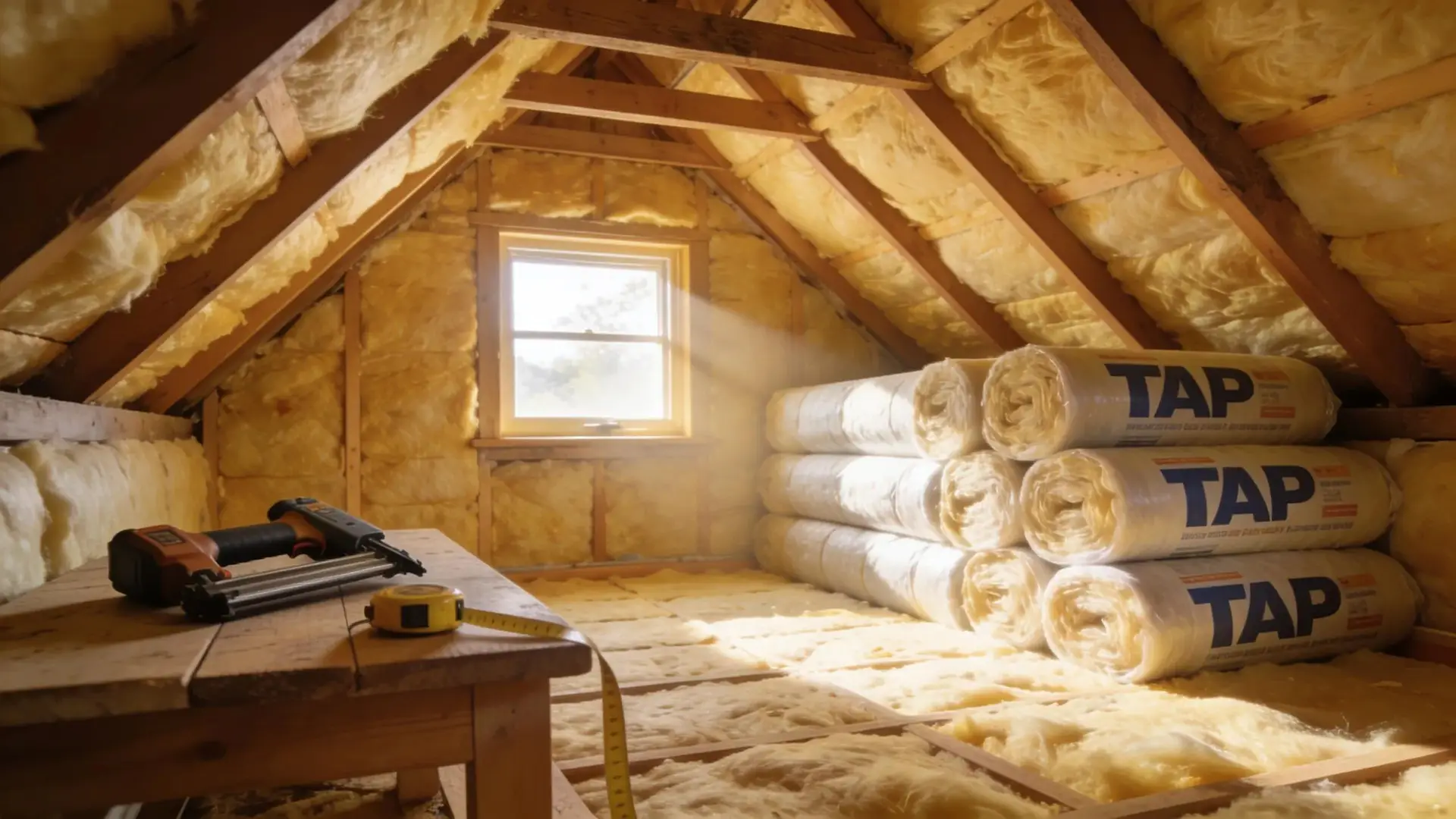
Integrating attic TAP insulation after wildlife remediation is essential for homeowners seeking to enhance their living environment. This process requires careful cleanup and preparation to ensure that the insulation functions effectively while eliminating potential health hazards from pest-related contaminants. In this article, we explore the significance of proper attic insulation and effective wildlife remediation techniques to provide homeowners in Enfield, CT, with sustainable solutions for pest-free and energy-efficient homes. Readers will learn about the necessary steps for attic insulation, the importance of wildlife removal, and methods to ensure energy efficiency improvements following remediation.
We will delve into various topics including attic insulation cleanup and exclusion techniques, the mechanical-first approach to wildlife remediation, and the importance of regular inspections. Additionally, readers will gain insights on eco-friendly pest control, energy efficiency improvements, and the long-term benefits of integrating wildlife remediation with attic insulation solutions.
Attic Insulation and Cleanup
Before insulating an attic, it’s essential to clean and sanitize the space thoroughly to prevent contamination from previous wildlife infestations. Contaminated insulation can harbor harmful pathogens that may pose health risks to residents, along with impairing the insulation’s effectiveness. Cleaning involves removing old insulation, sanitizing surfaces, and ensuring that the area is free from debris and remnants of pests.
Proper attic cleanup is critical as it directly impacts the efficiency of the new insulation. For instance, if the previous insulation is left in place, it could compromise the new installation’s R-value, which measures the insulation’s thermal resistance. Homeowners should ensure a comprehensive cleanup process to maintain a safe and efficient living environment.
Exclusion Techniques
Eliminating potential entry points is a crucial step following wildlife remediation. Effective exclusion techniques involve identifying and sealing gaps and holes that pests can use to re-enter the attic. Common entry points include gaps around vents, chimneys, and plumbing penetrations.
To prevent wildlife from returning, various materials are employed:
Steel Mesh: Provides durable barriers against rodents.
Sealants: Used to fill small gaps and prevent pest entry.
Flashing: Helps seal areas around vents and pipes.
These strategies ensure long-term protection against wild animals and are essential components of an effective pest control plan.
Implementing robust physical barriers is a fundamental practice supported by industry research on preventing long-term animal re-infestations.
Rodent-Proof Construction Methods for Pest-Free Homes
The most effective means of limiting rodent damage is rodent-proof construction. New buildings should be designed and built to prevent rodent entry. Rodent-proofing is a good investment. Designing and constructing a rodent-proof building is less expensive than adding rodent-proofing later.
Rodent-proof construction and exclusion methods, RM Timm, 1994
Mechanical-First Approach
A mechanical-first approach focuses on physically removing pests without relying on chemical methods. This technique is particularly beneficial for families with young children or pets, as it minimizes chemical exposure.
Using traps and structural modifications, the mechanical-first approach effectively addresses wildlife issues while prioritizing safety and health. It often includes the use of specialized tools to capture pests humanely, ensuring both efficiency and compliance with wildlife protection laws. Understanding the effectiveness and safety implications of these methods is vital for homeowners considering pest control options.
Regular Inspections
Conducting regular inspections helps maintain a pest-free environment in homes. Inspections can identify new potential issues before they escalate and allow homeowners to monitor the integrity of existing insulation.
Key aspects of regular inspections include:
Detecting Wildlife Presence: Recognizing signs of new infestations early.
Assessing Insulation Conditions: Evaluating insulation for moisture damage or degradation.
Scheduled Maintenance: Establishing a routine for consistent inspection helps ensure that potential issues are addressed promptly.
By prioritizing inspections, homeowners can uphold their premises’ safety and efficiency, preventing future infestations and preserving insulation integrity.
Eco-Friendly Pest Control
Eco-friendly pest control methods focus on sustainable approaches that minimize chemical usage and reduce environmental impacts. This encompasses using natural repellents, biological control methods, and habitat modifications.
Benefits of eco-friendly practices include:
Healthier Living Environment: Reduced chemical exposure for residents.
Sustainability: Less environmental impact compared to traditional pest control.
Social Responsibility: Aligning with community initiatives promoting green practices.
Adopting eco-friendly strategies not only protects the household but also contributes to broader environmental preservation efforts within the community.
Energy Efficiency Improvements
Insulating the attic significantly improves a home’s energy efficiency, leading to reduced heating and cooling costs. Proper insulation ensures that conditioned air stays inside, minimizing energy loss.
Key benefits of attic insulation include:
Lower Energy Bills: By improving thermal resistance, insulation decreases reliance on HVAC systems.
Enhanced Comfort: Consistent indoor temperatures provide a more comfortable living environment.
Pest Prevention Synergy: Effective insulation complements pest control measures by sealing off potential entry points.
By tackling insulation strategically, homeowners not only enhance their energy efficiency but also contribute to creating a sustainable home.
Why Is Wildlife Removal Essential Before Installing Attic TAP Insulation?
Before insulation can be installed, addressing any existing wildlife issues is paramount. Wildlife can cause significant damage to insulation materials, compromising their effectiveness and creating health hazards.
Considerations for timely wildlife removal include:
Property Damage: Wildlife can chew through insulation and wiring, leading to costly repairs.
Health Risks: Rodent droppings and other contaminants pose serious health threats to occupants.
Cost Efficiency: Preemptively addressing wildlife issues can reduce overall costs associated with repairs and remediation after insulation installation.
Ensuring that wildlife is properly managed before insulation is crucial for protecting the home’s structural integrity and the health of its residents.
How Does Wildlife Damage Impact Attic Insulation and Home Safety?
Wildlife damage creates several issues that impact both the effectiveness of attic insulation and the overall safety of a home. Contaminated insulation can lead to various health issues, ranging from allergies to respiratory problems.
Key impacts of wildlife on insulation and safety include:
Decreased Insulation Performance: Soiled or damaged insulation loses its R-value, reducing energy efficiency.
Structural Risks: Wildlife gnawing at structural components can weaken the integrity of a home.
Hygiene Concerns: The presence of pests leads to unsanitary conditions that can endanger resident health.
Recognizing the importance of wildlife management in maintaining a safe and effective living space is crucial for homeowners.
What Are Effective Methods for Attic Wildlife Remediation in Enfield CT?
Effective wildlife remediation combines inspection, removal, and prevention techniques designed to eliminate existing wildlife issues and prevent return occurrences.
Common methods employed in Enfield, CT, include:
Inspections: Conducting thorough evaluations of the attic to identify signs of wildlife.
Humane Removal Techniques: Utilizing traps and exclusion devices to remove animals without harm.
Preventative Barriers: Installing measures to seal potential entry points and deter wildlife.
These techniques ensure a comprehensive approach to wildlife management, maintaining both safety and cleanliness in the home.
How Does Blow-In TAP Insulation Improve Energy Efficiency Post-Pest Control?
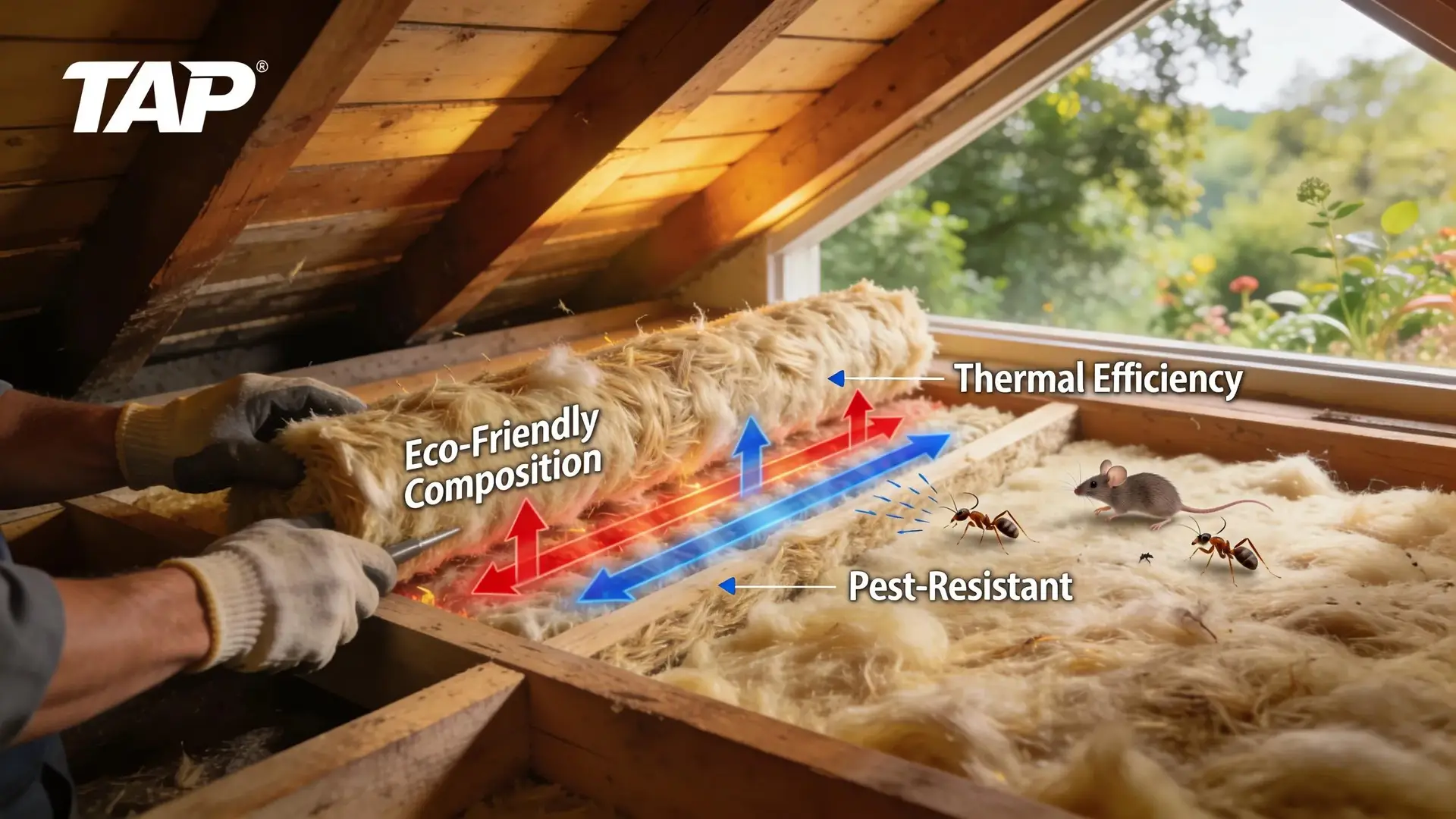
Blow-in TAP insulation represents a superior choice for energy efficiency when installed after pest control efforts. This cellulose-based insulation not only offers excellent thermal performance but also helps mitigate pest infestations.
Benefits of TAP insulation include:
Eco-Friendly Composition: Made from recycled materials, TAP insulation is an environmentally conscious choice.
Advanced Pest Resistance: The insulation contains borate additives that deter insects and rodents.
High R-Value: Provides exceptional thermal insulation, leading to significant energy savings.
By choosing TAP insulation, homeowners can ensure a more energy-efficient and pest-resistant home.
What Are the Key Benefits of Cellulose Blow-In Insulation for Attics?
Cellulose blow-in insulation, particularly TAP insulation, stands out for its numerous advantages in residential settings. Key benefits include:
Thermal Efficiency: Excellent R-value leads to improved energy savings.
Sound Absorption: Enhances acoustic comfort by dampening sound transmission.
Fire Resistance: Treated with fire retardants, it minimizes fire risks.
These benefits make cellulose blow-in insulation an attractive option for homeowners seeking effective insulation solutions.
How Does Attic Air Sealing Enhance Insulation Effectiveness and Prevent Pest Reentry?
Sealing gaps and cracks in the attic is critical for maximizing insulation effectiveness. Proper air sealing works in conjunction with insulation to reduce energy loss and create a barrier against pests.
Factors related to air sealing include:
Reduced Energy Costs: By preventing air leaks, homeowners can lower their utility expenses.
Improved Indoor Air Quality: Sealing contributes to cleaner air by limiting pollutants and allergens.
Increased Pest Prevention: Effective sealing minimizes pathways for pests attempting to enter the home.
This comprehensive approach ensures that both energy efficiency and pest control efforts are maximized.
What Is the Step-by-Step Process for Post-Wildlife Removal Attic Restoration?
To restore an attic following wildlife removal, homeowners should adhere to a structured process. This step-by-step guide includes:
Thorough Inspection: Check for remaining contaminants and potential damage.
Safe Cleanup: Remove contaminated insulation and clean surfaces.
Install New Insulation: Opt for high-performance insulation like TAP.
Seal Entry Points: Ensure any possible entry points are sealed to prevent recurrence.
Following these steps helps ensure that the attic is not only restored effectively but also fortified against future wildlife issues.
How Is Attic Cleanup and Rodent Exclusion Conducted Before Insulation?
Effective attic cleanup and rodent exclusion involve a systematic approach to ensure a safe starting point for insulation installation. Key components of this process are:
Removal of Contaminated Materials: Get rid of old insulation that may harbor pests.
Surface Sanitization: Clean and disinfect surfaces to eliminate pathogens.
Exclusion Measures: Identify and seal entry points to prevent further infestations.
These crucial steps guarantee a healthy environment before insulation is installed.
What Are Industry-Standard Procedures for Installing TAP Blow-In Insulation?
Professional installation of TAP blow-in insulation follows industry standards that optimize performance. Key procedures include:
Accurate Calculations: Determining the appropriate amount of insulation required based on attic size.
Proper Application: Ensuring the insulation is evenly distributed to maximize energy efficiency.
Final Inspections: Conducting a post-installation check to verify effective coverage and adhesion.
Adhering to these procedures ensures that insulation performs at its best.
How Can Homeowners in Enfield CT Get Accurate Quotes and Professional Attic Insulation Services?
Homeowners in Enfield, CT, seeking attic insulation and pest services should follow these steps for obtaining accurate quotes:
Research Local Providers: Investigate companies specializing in insulation and pest control.
Request Detailed Quotes: Ask for itemized estimates that include services and materials.
Evaluate Contracts: Look for transparency in prices and service commitments.
For professional assistance, contact Nukingstreet Pest & Wildlife Control LLC at 800-466-9918 or email info@nukingstreet.com to discuss your needs for attic insulation services.
What Factors Influence the Cost of Attic Insulation After Wildlife Remediation?
The cost of attic insulation can vary based on several factors. Key considerations include:
Size of the Attic: Larger attics require more materials, impacting cost.
Type of Insulation: Different insulation types, such as TAP, have varying price points.
Existing Conditions: Preparation needs such as cleanup or repairs can influence total costs.
Understanding these factors helps homeowners budget effectively for their insulation projects.
How to Choose Reliable Local Contractors for Insulation and Pest Control Services?
Selecting the right contractors for attic insulation and pest control is crucial for ensuring quality service. Tips for choosing reliable local contractors include:
Check Credentials: Verify licenses and insurance coverage for contractors.
Read Reviews: Look for customer feedback and testimonials online to assess reliability.
Discuss Details: Communicate specific needs and ask for clarifications on services offered.
By following these guidelines, homeowners can find reputable contractors that meet their insulation and pest control needs.
What Are Common Homeowner Concerns and FAQs About Attic TAP Insulation and Wildlife Control?
Homeowners often have questions about attic TAP insulation and wildlife control. Common concerns include:
Safety Post-Insulation: Understanding potential health effects of insulation materials.
Long-Term Efficacy: Confidence in the lasting effectiveness of insulation against pests.
Energy Savings Expectations: Clarification on anticipated reductions in energy bills after insulation.
Addressing these concerns helps homeowners feel informed and confident about their decisions regarding attic insulation and pest management.
How Long Should You Wait to Insulate After Wildlife Removal?
Timing is crucial after wildlife removal; typically, homeowners should wait for 24-48 hours to allow any lingering contaminants to settle. Factors affecting this timing include:
Extent of Infestation: More severe infestations may require additional time for cleanup.
Sensitivity of Residents: Those with allergies should consider waiting longer to ensure safety.
Waiting for the appropriate period ensures a healthier environment for new insulation.
Are There Insulation Types That Help Deter Future Pest Infestations?
Certain insulation types, like TAP insulation, inherently deter pests due to their formulation with borates, which specifically repel insects and rodents.
This characteristic ensures that while the insulation provides thermal resistance, it also serves as a preventative measure against potential re-entry by pests. Homeowners should consider materials that offer dual benefits of efficiency and pest deterrence.
What Are Long-Term Benefits of Integrated Wildlife Remediation and Attic Insulation in Northern CT?
Integrating effective wildlife remediation with quality attic insulation provides several long-term benefits for homeowners. These include:
Cost Savings: Reduced energy expenses resulting from improved insulation efficiency.
Enhanced Property Value: Well-maintained and insulated homes attract higher market value.
Improved Living Conditions: A pest-free and energy-efficient environment contributes to better quality of life.
These advantages underscore the importance of a comprehensive approach to pest management and insulation in achieving a sustainable, comfortable home.
How Does Combined Pest Control and Insulation Improve Property Value and Comfort?
A combination of effective pest control and quality insulation significantly boosts property value and enhances comfort for residents. Homebuyers increasingly seek homes free from pest issues and with updated insulation for energy efficiency.
The focus on these two areas not only meets current homeowner expectations but also contributes to a more sustainable living environment. By ensuring pest management and insulation are top priorities, current owners can appeal to future buyers.
What Local Energy Savings Statistics Support Attic TAP Insulation Investment?
Investing in attic TAP insulation is validated by numerous energy savings statistics that show potential reductions in energy usage.
For instance, homes with well-installed TAP insulation can achieve up to 30% in energy savings compared to those lacking proper insulation.
This statistic highlights the significant return on investment homeowners can realize by implementing effective insulation, further reinforcing the importance of sustainable building practices in energy conservation.