Foundation sill plates and ridge vents rank among the top entry points for rodents and wildlife into Connecticut homes. Nukingstreet Pest & Wildlife Control, LLC, based in Enfield, CT, seals these gaps with durable exclusion materials designed to permanently block access while preserving proper roof ventilation and airflow.
Connecticut foundations and ridge vents create common rodent. Wildlife entry points where sill plates meet framing or where ridge vent gaps widen over time. Nukingstreet Pest & Wildlife Control, LLC is located in Enfield, CT, and seals these gaps using mechanical exclusion methods and HY-GUARD EXCLUSION-style foundation screens and vent guards for lasting protection.
Key Takeaways
Ridge vents require dedicated animal exclusion because most USA roofs include this essential ventilation component.
Foundation gaps and sub-siding spaces allow determined animals to penetrate structures through wood or foam board.
Dryer vents, roof vents, and foundation screens fortify homes against birds, squirrels, raccoons, and additional pests.
Proper sub-siding installation combined with exclusion barriers keeps nuisance wildlife out of your Enfield home.
What Do You Need Before Sealing Your Home?
Two priorities come before any caulk gun or hardware cloth touches a Connecticut foundation: locating every entry point and gathering exclusion-grade materials matched to that entry point. Skipping this step wastes labor and money. A sealed gap in the wrong spot leaves rodents an open door elsewhere. Pest exclusion sealing Connecticut homeowners rely on works best when preparation happens before installation, not during it.
Start with a full perimeter walk of the house, checking both the foundation and the roofline. Foundations and roof ridge vents rank among the most common wildlife entry points on a home. Both need the right exclusion materials staged before work begins. Ridge vents deserve particular attention because most homes across the country, including the vast majority of Connecticut houses, are built with them as part of the roofing system that manages heat and moisture in the attic.
Where Do Mice Usually Get Into a Connecticut Attic?
Attic access rarely starts at the roofline. Mice climb siding, follow utility lines, or squeeze through gaps at the roof-wall junction before working their way up into insulation and joists. Knowing how to keep mice out of attic CT homes actually starts at ground level, tracing the path rodents take upward.
What Is Sill Plate Rodent Proofing?
Sill plate rodent proofing targets the gap between sub-siding and the bottom sill plate, a frequent access point for mice, chipmunks, and even squirrels. Before sealing:
Inspect the sub-siding-to-sill-plate seam for daylight or chew marks.
Note ridge vent condition and any gaps around vent covers.
Gather rodent-resistant sealing materials sized to each gap.
Schedule a professional inspection if entry points span multiple areas.
Nukingstreet Pest & Wildlife Control serves Connecticut properties needing foundation. Ridge vent exclusion work, bringing trained eyes to spots homeowners often overlook.
How Do You Inspect Sill Plates For Gaps?
A proper sill plate inspection starts at the foundation line. The wooden framing meets concrete, and works outward toward the siding above it. Connecticut homes often hide gaps behind layers of vinyl siding and sub-siding. A visual glance from across the yard rarely tells the full story. Sill plate rodent proofing requires getting close to the structure, sometimes with a flashlight and a screwdriver to test for soft or hollow wood.
Beneath vinyl siding sits a layer of sub-siding, usually wood or foam board, that sits directly above the sill plate. Properly installed sub-siding helps block pests from reaching the wall cavity in the first place. That said, sound installation alone doesn’t guarantee a sealed home. Determined rodents chew through plastic and wood alike. Mice, chipmunks, and rats squeeze through gaps barely wider than a pencil.
Inspectors should follow this sequence when checking a Connecticut foundation:
Walk the entire perimeter, checking where siding meets the foundation for daylight gaps or crumbling caulk.
Press on sub-siding panels near ground level to feel for soft spots or chew marks.
Check corners and utility penetrations, common weak points for gnawed openings.
Look inside the basement or crawlspace for matching gaps, droppings, or gnaw damage along the sill.
Document every entry point before beginning pest exclusion sealing connecticut homeowners can rely on through the colder months.
What happens if a sill plate gap goes unsealed?
Left unaddressed, an unsealed gap invites rodents straight into the wall system. Once inside, they cause significant damage to walls and attic spaces, chewing insulation and wiring along the way. A small opening in autumn often becomes an active nesting site by winter.
How Do You Seal The Sill Plate Properly?
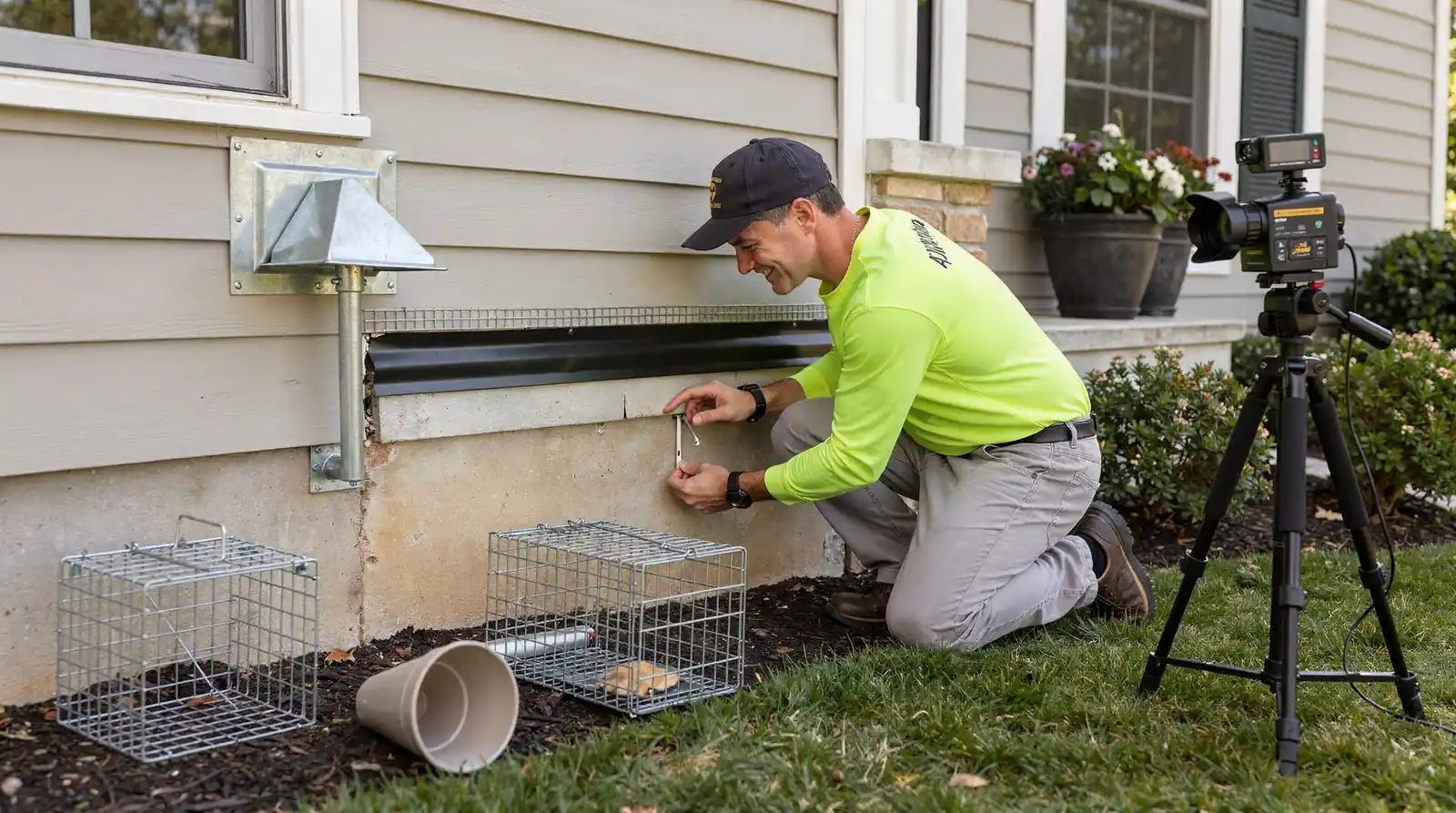
Proper sill plate sealing closes the gap where a foundation meets the wood framing above it. This junction ranks among the most common rodent entry points in Connecticut homes, especially older properties with fieldstone or poured-concrete foundations that have shifted over decades.
Homeowners tackling sill plate rodent proofing should start by identifying every visible gap along the foundation line before choosing a sealing method. Specialized foundation-gap barrier products exist specifically to close the space between the sub-siding and the bottom sill plate, blocking the entry points mice, chipmunks, and squirrels use to squeeze inside. Small rodents don’t need much room. A gap the width of a pencil is enough for a mouse to exploit.
What Steps Does Proper Sealing Involve?
Sealing the sill plate correctly follows a defined sequence, not a single quick fix. Skipping steps leaves gaps that rodents find within weeks.
Inspect the full foundation perimeter for cracks, gaps, and deteriorated mortar joints.
Clear debris, vegetation, and soil buildup away from the sill plate area.
Install a rodent-resistant barrier across the gap between the sub-siding and the sill plate.
Reinforce foundation vents and crawlspace openings with metal foundation screens.
Recheck the seal each season, since Connecticut’s freeze-thaw cycles loosen materials over time.
Foundation screens built for pest exclusion sealing Connecticut properties add another layer of protection, fortifying vulnerable points against squirrels, raccoons, and other nuisance wildlife looking for a way in.
Does Sealing The Sill Plate Help Keep Mice Out Of The Attic?
Cutting off ground-level access limits how many rodents ever climb into wall voids and attics. Addressing how to keep mice out of attic CT homeowners ask about usually starts at the foundation, not the roofline.
A lasting seal against rodent and wildlife intrusion depends on comprehensive coverage rather than spot treatment. Guaranteed exclusion systems designed to safeguard structures from takeover combine multiple barrier types into one coordinated defense. Nukingstreet’s technicians bring manufacturer-level exclusion training to every Connecticut inspection, backed by owner Jeffrey Davis’s credentials as an Associate Certified Entomologist (ACE), a designation that few pest and wildlife operators in the region hold.
How Do You Exclude Wildlife From Ridge Vents?
Ridge vent exclusion requires sealing the gap at the roof’s peak while preserving airflow underneath the shingles. Connecticut roofs commonly rely on ridge vents as part of the home’s ventilation system. Any breach there becomes an open invitation for squirrels, bats, and birds looking for shelter before winter sets in. Skipping this step leaves an attic exposed even after every other entry point gets sealed.
Ridge vents serve a real structural purpose beyond airflow. They let the roof and attic space breathe, which keeps shingles from overheating during Connecticut summers and prevents ice dams or trapped moisture during the state’s cold, snowy winters. That breathing function means the fix can’t be a simple sheet of caulk or foam across the gap. The vent still needs to exhale.
What Products Protect a Ridge Vent Without Blocking Airflow?
High-performance ridge guard systems install directly along the roof ridge, forming a barrier against bats, mice, rats, squirrels, and birds without restricting the ventilation underneath. These systems are designed to sit cleanly against the roofline rather than as a bulky retrofit.
Do Roof Vent Guards Protect Against More Than Animals?
Yes. Roof vent guard products shield vents from wildlife entry, and also guard against falling debris, hail impact, shingle mold growth, and damage caused during snow removal. All conditions Connecticut roofs face across four distinct seasons.
Pest exclusion sealing Connecticut work on ridge vents generally follows this sequence:
Inspect the full ridge line for gaps, chewed vent material, or displaced flashing.
Confirm no active wildlife is currently denned in the attic before sealing anything.
Install a vent-specific guard product engineered for ridge airflow, not general caulking.
Recheck seasonally, since freeze-thaw cycles and wind can loosen fasteners over time.
Nukingstreet Pest & Wildlife Control LLC ships this exclusion approach to homes across Simsbury, West Hartford Pest Control: Residential Rodent & Wildlife Exclusion, Canton pest control, Windsor pest control, and surrounding Connecticut communities, pairing ridge vent protection with the same mechanical-first standards applied to attics, sill plates, and foundations.
What Mistakes Undermine Your Exclusion Project?
Tunnel vision on the sill plate causes the most damage. Connecticut homeowners fixate on one gap and miss the other five. Pest exclusion sealing Connecticut projects fail most often when attention narrows to a single entry point instead of the whole structure.
What entry points do homeowners forget to seal?
AC units, chimneys, dormers, gable vents, and garage doors rank among the most overlooked openings on Connecticut homes. Rodents and wildlife exploit these gaps just as readily as foundation cracks. A proper inspection covers all of them, not just the obvious ones.
Sealing ridge vents without the right guards creates a second common error. These vents extend shingle life, cut energy costs, and keep attics comfortable — blocking them outright sacrifices those benefits while solving nothing.
A scattershot approach also skips the guarantee that comes with comprehensive exclusion work, leaving homeowners exposed to repeat damage and health risks. When sill plate rodent proofing feels overwhelming or the entry points multiply, Connecticut homeowners can contact a locally based provider like Nukingstreet, headquartered in Enfield, CT, for a full professional assessment rather than guessing at fixes.
FAQ
What are the most common wildlife entry points on a Connecticut home?
Foundation sill plates and ridge vents rank among the top entry points for rodents and wildlife. Gaps where sill plates meet framing or where ridge vent openings widen over time give animals direct access into the home.
What should homeowners do before sealing entry points?
Homeowners should walk the full perimeter of the house, checking both the foundation and roofline, to locate every entry point first. Gathering exclusion-grade materials matched to each gap prevents wasted labor and money.
What does sill plate rodent proofing involve?
Sill plate rodent proofing targets the gap between sub-siding and the bottom sill plate, a frequent access point for mice, chipmunks, and squirrels. It includes inspecting the seam, checking ridge vent condition, and gathering rodent-resistant sealing materials.
Conclusion
In closing, protecting your foundation sill plate and ridge vents from pest intrusion requires a combination of thorough inspection, strategic exclusion, and ongoing maintenance. By addressing vulnerabilities at these critical entry points, you eliminate the conditions that allow rodents, insects, and wildlife to establish themselves in your home. A professional pest control inspection identifies gaps. Weaknesses that homeowners often miss, ensuring your property receives the targeted protection it deserves. Taking action now prevents costly damage and the stress of dealing with established infestations later.