

Emergency Pest Control Enfield Response
By Nukingstreet Pest & Wildlife Control LLC Editorial Team · Updated 2026-08-07
Emergency pest and wildlife response requires rapid, expert intervention for dangerous or urgent infestations. Nukingstreet Pest & Wildlife Control LLC, based in Enfield, Connecticut, addresses situations like raccoons in attics or sudden bed bug outbreaks with a mechanical-first approach, led by ACE-certified owner Jeffrey Davis, protecting families, pets, and property from immediate threats.
Key Takeaways
- Emergency wildlife response operates 24 hours a day, providing immediate assistance for urgent animal control situations.
- Professional services include raccoon trapping, squirrel removal, snake control, and dead animal cleanup and restoration.
- Trained technicians offer phone consultations before dispatch to assess and prioritize wildlife emergency situations.
- Nukingstreet Pest & Wildlife Control serves Enfield, CT with comprehensive rodent, insect, and bat pest control.
What Should You Do Before Help Arrives?
Safety comes first, always. Property owners facing a raccoon in the fireplace, a bat loose in a bedroom, or residential pest control gain the most by staying calm and creating distance from the animal or problem area. No two situations look alike, and what feels minor to an outside observer may be a genuine crisis for the family living through it. That difference in perspective is exactly why urgent wildlife removal calls get treated as urgent, regardless of how the situation might sound over the phone.
What’s the first move during a dangerous wildlife encounter?
Step back from the animal and leave the room or area immediately. Close the door behind if possible, and keep children and pets away from the space until a trained technician arrives. Panic increases risk for both the resident and the animal, so a slow, deliberate exit matters more than speed.
How should residents prepare for the technician’s arrival?
- Confirm a safe location away from the animal or affected area for everyone in the household.
- Note where the activity was first spotted, since that detail speeds up the assessment.
- Keep pets secured in a separate room.
- Avoid attempting to trap, feed, or corner the animal.
Households with young children, pet owners, and family members recovering from serious illness deserve extra caution during these moments. Nukingstreet’s health-conscious approach to pest and wildlife handling was shaped with exactly those residents in mind. Being based in Enfield, Connecticut also means emergency pest control Enfield requests get a faster local response than calls routed through a distant dispatch center. Staying calm, staying clear, and waiting for trained hands remains the safest path forward.
How Do You Recognize a True Pest Emergency?
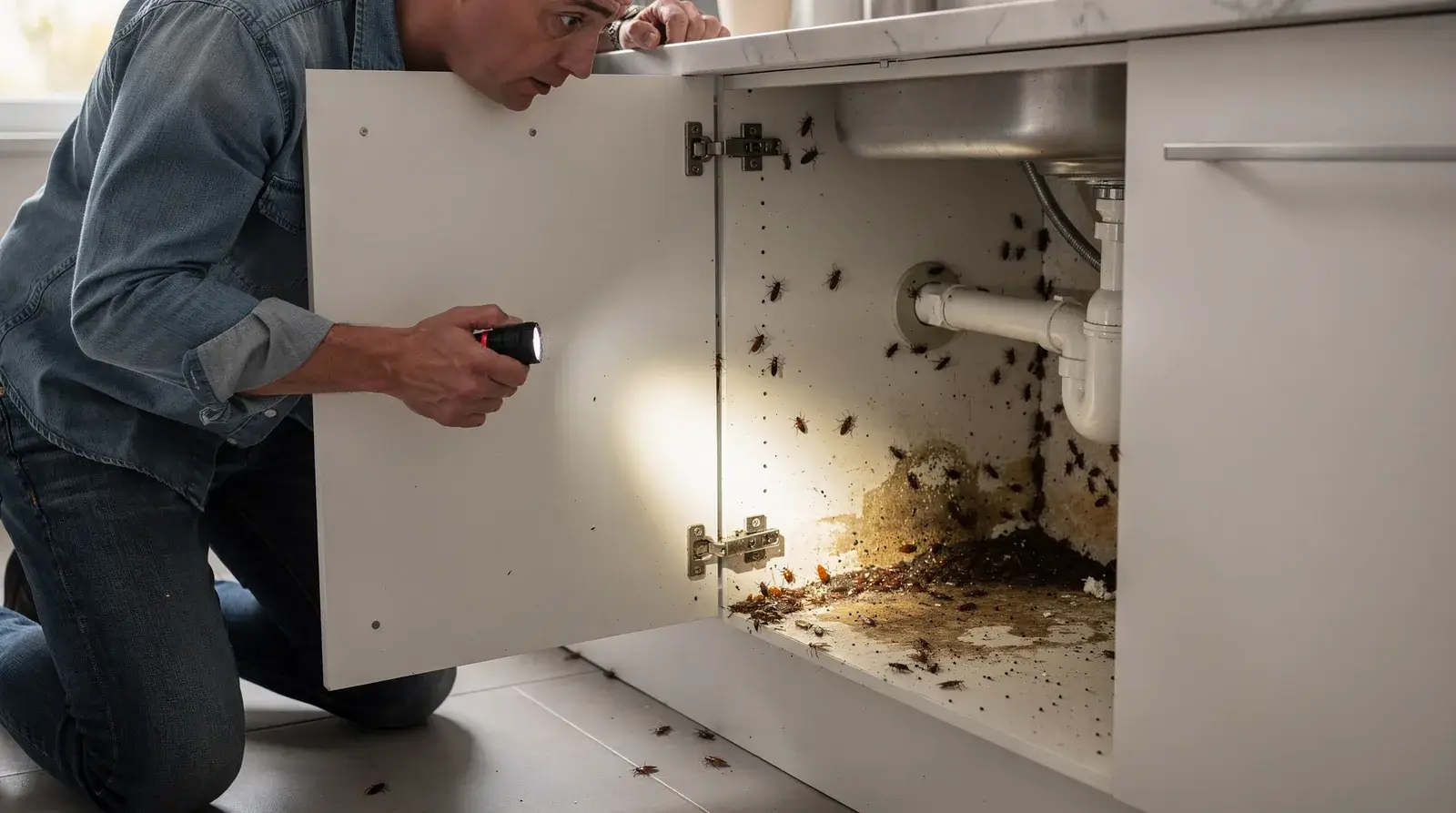
A true pest emergency involves immediate danger or damage. Not a minor nuisance that can wait for a routine appointment. Signs range from a raccoon nesting in the attic at 2 a.m. to a snake curled up in the garage or an unmistakable dead animal odor spreading through the home. Property managers and homeowners facing these situations need urgent wildlife removal, not a callback next week.
Nukingstreet’s technicians treat these situations differently than most pest companies. Too many firms in this industry react only after damage spreads, leading with chemical treatments and generic protocols instead of addressing what actually caused the problem. Nukingstreet’s proactive philosophy targets the root cause of an infestation, not just the animal or insect visible on the surface.
What counts as a wildlife emergency versus a routine call?
Scratching sounds in the walls, an animal trapped in a fireplace, or a bat loose inside living space all qualify as emergencies requiring same-day attention. A few ants near the kitchen sink, by contrast, can typically wait for a scheduled visit. The distinguishing factor is risk: to structure, to health, or to safety.
Why do wildlife problems rarely wait for business hours?
Pest and wildlife emergencies do not follow a predictable schedule. Animals move at night, chew through wiring at odd hours, and leave carcasses that begin producing odor within days. That unpredictability is exactly why 24 hour pest service matters for anyone managing property in pest control service areas.
Homeowners should treat these four signs as red flags:
- Active scratching, gnawing, or movement inside walls or ceilings
- A wild animal trapped inside a living space or fireplace
- Strong, spreading odor consistent with a dead animal
- Direct sighting of a snake, bat, or raccoon indoors

How Do You Contact Emergency Pest Control?
A phone call sets emergency response in motion. Property managers and homeowners reach a live consultation first. A trained responder gathers details about the pest or animal threat before dispatch. That first conversation determines whether a technician heads out immediately or whether next steps get scheduled for the earliest available window.
Nukingstreet’s approach to emergency pest control enfield traces back to founder Jeffrey Davis, an Associate Certified Entomologist whose training shapes every response protocol. The company started with one technician and one truck, built on a standard that treats every call — day or night — with the same urgency. That foundation still guides how dispatch works today: consultation first, then a fast push to get someone on-site.
What happens after the initial call?
Dispatch teams triage the situation over the phone, asking about the animal or pest involved, its location, and any immediate danger to occupants. If a technician can respond right away, the homeowner gets a direct estimated arrival time. When immediate dispatch isn’t possible, staff work to connect the caller with another qualified provider rather than leaving the property unprotected.
Why does response speed matter for wildlife calls?
Urgent wildlife removal situations escalate quickly — a raccoon in a fireplace or a bat loose indoors creates both property damage risk and exposure concerns. Providers built for rapid dispatch respond when other companies can’t or won’t, closing the gap that leaves families waiting.
Callers seeking 24 hour pest service should have three things ready:
- A clear description of the pest or animal and its behavior
- The exact location on the property
- Any safety concerns, including children, pets, or blocked exits
Sharing these details up front speeds up triage and gets help moving faster.
What Happens During the Emergency Response Visit?
A technician follows a structured sequence built on rapid response. Critical care, the same pillars that define effective emergency pest control enfield work. Sudden pest surges and dangerous wildlife intrusions demand more than a quick spray. They require a clear, repeatable process property managers and homeowners can trust under pressure.
- Phone triage. The dispatcher gathers details about the pest or animal, its location, and any immediate safety risk before sending a technician.
- On-site assessment. The technician inspects the affected area to confirm the species involved and locate entry points or nesting sites.
- Targeted treatment plan. Rather than a blanket application of whatever product is cheapest, the technician selects a method matched to the specific pest and situation.
- Containment and removal. For urgent wildlife removal cases, the technician secures the animal and the space, protecting occupants while minimizing stress on the animal itself.
- Follow-up guidance. Before leaving, the technician explains prevention steps and schedules any needed return visit.
Does emergency response protect pets and pollinators too?
Yes. Environmentally responsible practice stays in place even during urgent calls, with technicians working to protect pollinators, wildlife, and surrounding ecosystems rather than defaulting to broad chemical treatment. Families and pet owners get a solution built for safety, not just speed.
Who handles both pest and wildlife emergencies in one visit?
A company that grew from serving multifamily properties into a full-service pest and wildlife control operation. That evolution means one technician can often address a rodent problem and a wildlife intrusion in the same visit. Coordinating 24 hour pest service with wildlife removal under one provider cuts down on delays. Duplicate site visits during a crisis.
How Do You Prevent the Next Emergency?
Prevention starts with treating causes, not just symptoms. Nukingstreet’s technicians build every follow-up plan around a proactive philosophy, tracking down entry points, moisture sources, and food access rather than simply reacting to the last sighting. Property managers and homeowners in Enfield who want to avoid a repeat of emergency pest control Enfield dispatches follow a clear sequence after the initial threat is resolved.
- Schedule a full property inspection within days of the emergency, not weeks.
- Seal identified entry points — gaps under siding, roofline gaps, foundation cracks.
- Remove attractants like standing water, exposed trash, and woodpiles near the structure.
- Set a recurring monitoring schedule so new activity gets caught early.
- Review findings with a technician and ask direct questions about ongoing risk.
What Should Families Do After Wildlife Is Removed?
Families with young children, pet owners, and cancer survivors need extra care once urgent wildlife removal work wraps up. Nukingstreet’s health-conscious approach shapes follow-up treatments, favoring methods safe for sensitive households over harsh chemical blanket applications. That same standard carries into every prevention visit that follows.
Is Staying Calm the First Step in Every Case?
Yes. A dangerous encounter with wildlife calls for calm, deliberate action, not panic. Remove yourself from the situation immediately and put distance between the household and the animal. Professional 24 hour pest service responders remain on standby for exactly these moments. Calm reporting helps them assess the property faster and prevent the next incident from starting the same way.
FAQ
What qualifies as a true pest emergency?
A true pest emergency involves immediate danger or damage, such as a raccoon nesting in the attic, a snake in the garage, or a dead animal odor spreading through the home—situations that demand urgent action, not a routine callback.
Step back from the animal, leave the room immediately, and close the door if possible. Keep children and pets away from the area until a trained Nukingstreet technician arrives on scene.
How does Nukingstreet handle emergency pest and wildlife calls in Enfield?
Nukingstreet operates 24 hours daily, offering phone consultations before dispatch to assess situations. Being based in Enfield, Connecticut allows faster local response than companies routing calls through distant dispatch centers.
Facts
- Nukingstreet Pest & Wildlife Control, LLC is located in Enfield, CT.