

Fly Control Restaurants: Effective Strategies for Retail
By Nukingstreet Pest & Wildlife Control LLC Editorial Team · Updated 2026-08-07
Effective fly control in restaurants combines sanitation audits, exclusion at doors and windows, drain maintenance, and mechanical trapping over chemical sprays near food prep areas. Salmonella transmission risk from flies makes prevention essential for health inspections. Nukingstreet Pest & Wildlife Control is led by ACE-certified Jeffrey Davis, who has extensive expertise in pest management, and designs commercial fly-management programs using AI-powered remote monitoring for early detection.
Key Takeaways
- Fly infestations damage restaurant reputation, customer confidence, and regulatory compliance status immediately.
- Professional pest control services eliminate flies through proven commercial strategies and prevention methods.
- Food businesses face multiple pest threats including rodents, flies, and birds simultaneously.
- Nukingstreet Pest & Wildlife Control, LLC in Enfield, CT provides specialized restaurant fly solutions.
Why Does Fly Control Matter For Restaurants?
Flies rank among the fastest ways a food-service business loses customer trust. Effective fly control for restaurants protects diners and staff from real health threats. Flies carry and transmit pathogens like Salmonella, E. coli, and Campylobacter. Contamination risk rises with every fly that lands on a prep surface, plate, or open food container.
A single fly sighting carries outsized consequences. One diner spotting a fly near their table can trigger a lost customer. A negative review before the meal even ends. Health department inspectors treat fly activity as a red flag. Repeated sightings can lead directly to penalties or failed inspections.
What happens if a restaurant ignores fly activity?
Left unchecked, flies undermine the entire dining experience. Staff face extra cleanup, guests lose confidence in the kitchen’s cleanliness, and health-code violations become far more likely during routine inspections.
Who needs commercial fly prevention the most?
Any business handling food faces exposure, not just fine dining rooms. Strong commercial fly prevention protects a range of operations, including:
- Full-service and quick-service restaurants
- Retail stores and offices with food service areas
- Schools and daycare kitchens
- Apartment complexes and multi-family properties with shared dining spaces
Nukingstreet designs fly control programs specifically for these commercial settings, applying the same mechanical-first standards used across residential work. Restaurant managers searching for how to stop flies for good need more than a fly swatter and a citronella candle. They need a documented, inspection-ready strategy that closes entry points, removes breeding sites, and keeps pathogen-carrying pests away from food, guests, and staff long before a health inspector ever walks through the door.
Where Do Flies Breed In Food Establishments?
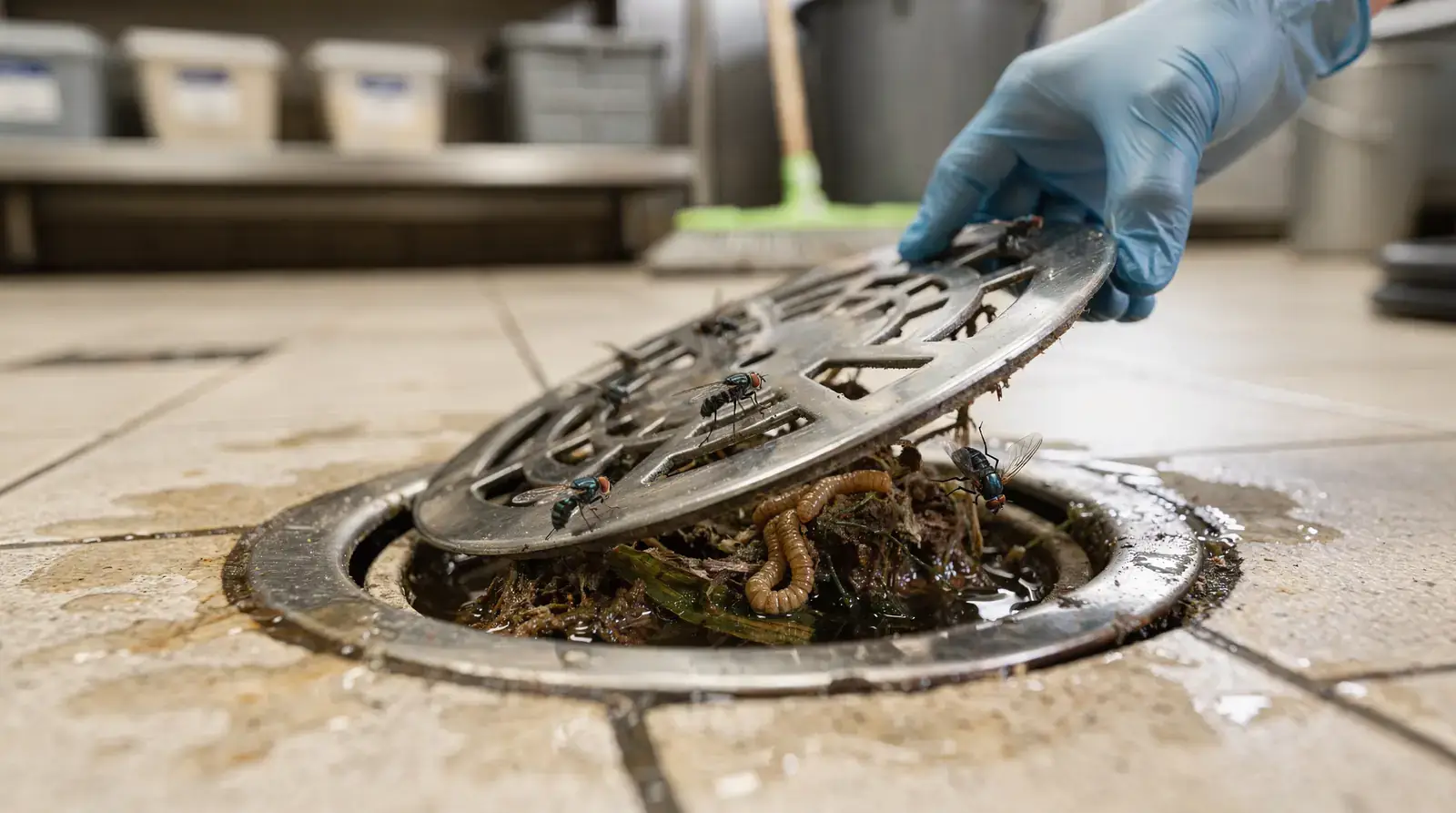
Food, water, and shelter pull flies into commercial kitchens, and every one of those elements exists somewhere on a restaurant floor plan. Grease traps, standing water, and unsecured food waste give flies exactly what they need to settle in and multiply. Once established, breeding activity often goes unnoticed until customers or health inspectors spot it first.
House flies don’t just linger near food; they spread disease through casual contact. These pests land on prep surfaces, condiment stations, and dining tables, then rest on floors, walls, and ceilings throughout the day. That resting behavior matters for fly prevention commercial teams, because it points to where inspections should focus:
- Floors near drains, mats, and spill zones
- Walls close to dumpsters, dish pits, and utility rooms
- Ceilings above prep lines and storage areas
What Draws Flies Into A Restaurant?
Restaurants and retail food spaces offer flies a reliable combination of nourishment, moisture, and cover. Warm kitchens, damp drains, and exposed food residue create conditions flies actively seek out. Nukingstreet’s forensic-level inspections trace activity back to these root causes instead of treating surface symptoms alone.
Why Does Ignoring Fly Activity Put A Restaurant At Risk?
A single fly sighting signals a bigger sanitation gap than most operators realize. Left unaddressed, breeding sites don’t just create an untidy dining room. They threaten the restaurant’s reputation with guests and regulators alike. Understanding how to stop flies at the source protects both health scores and customer trust before either takes a hit.
How Does Mechanical Exclusion Stop Flies?
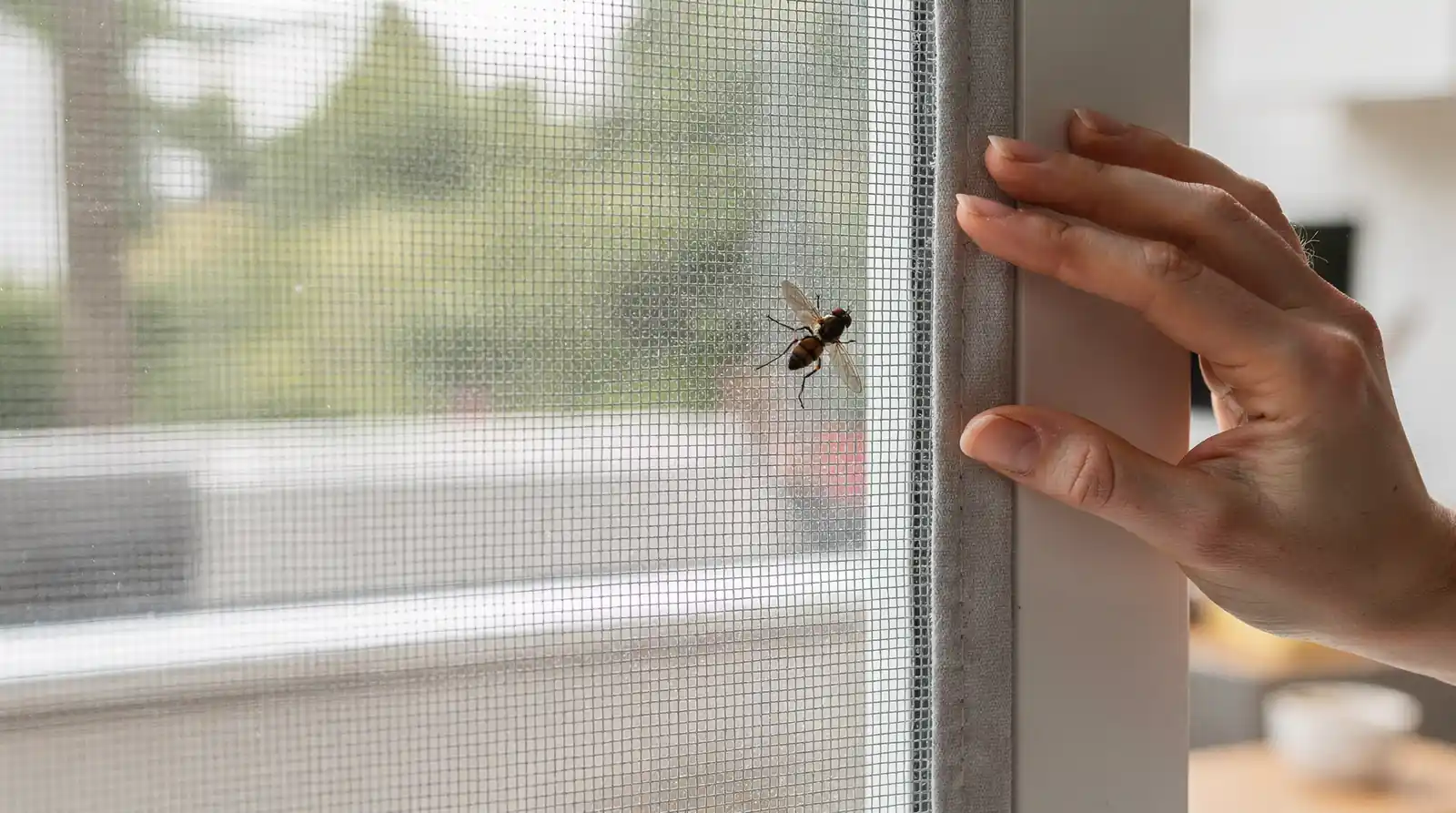
Physical barriers block flies before they ever reach a kitchen, dining room, or storage area. Sealed gaps, screened vents, and properly installed door sweeps remove the entry points flies rely on, cutting off the problem at its source rather than reacting to it once flies are already inside.
Nukingstreet builds every commercial fly strategy on a mechanical-first philosophy. Exclusion tools and physical controls come first, always ahead of any chemical treatment. This approach reflects a broader standard for fly control restaurants rely on: solve the structural issue, not just the symptom.
Chemical sprays mask an entry problem instead of fixing it. Nukingstreet does not lead with chemicals when evaluating a commercial fly issue. Effective fly prevention commercial operators can trust starts with identifying exactly how flies are getting in, then closing that gap permanently.
Why does exclusion work better than pesticides alone?
Pesticides kill flies that have already entered a facility; they do nothing to stop the next wave. Exclusion removes the pathway entirely, which is why targeted, root-cause solutions outperform a blanket spray of whatever product costs the least. A gap under a delivery door will keep producing fly activity no matter how often a kitchen gets treated.
What does mechanical exclusion actually involve?
Technicians assess the building envelope for the weak points flies exploit most:
- Torn or missing screens on windows and vents
- Gaps beneath exterior and loading-dock doors
- Unsealed utility penetrations and drain lines
- Poorly fitted door sweeps and thresholds
Closing these gaps answers the core question of how to stop flies for good. This method also supports Nukingstreet’s commitment to avoiding SGARs and neonicotinoids, keeping food-handling environments safer for staff, diners, and inspectors alike.
What Sanitation Steps Prevent Fly Infestations?
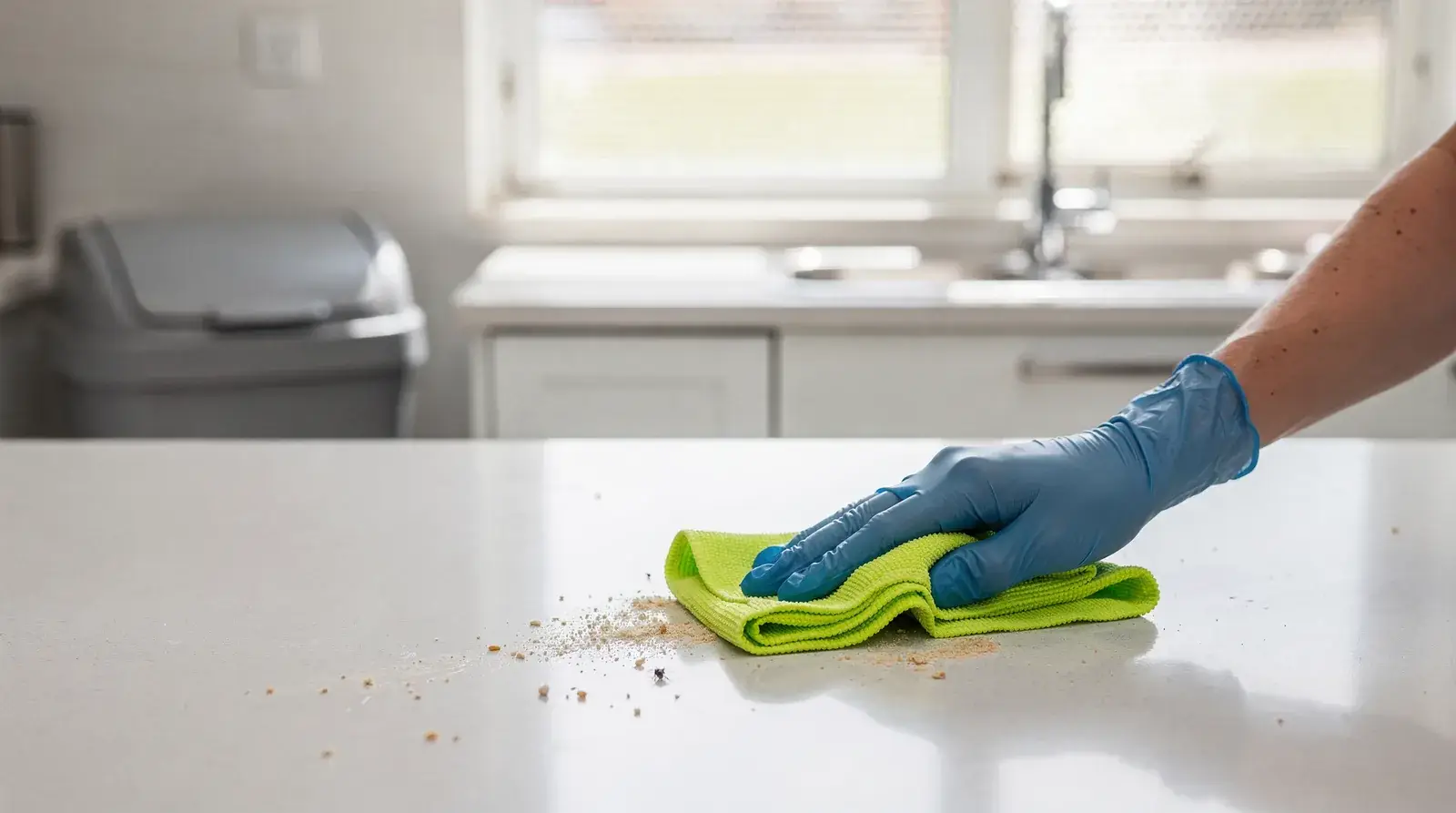
Sanitation removes the food, moisture, and breeding sites that draw flies into commercial kitchens in the first place. Grease traps, drains, trash areas, and food-prep surfaces top the list of daily targets. Skipping these tasks invites bacteria and pathogens that flies carry directly onto plates, prep tables, and countertops, putting food safety and health inspection scores at risk.
A disciplined cleaning routine works best when broken into clear, repeatable tasks. Kitchen managers get the strongest results from a checklist rather than a vague “clean as needed” policy.
- Wipe down prep surfaces and spills immediately, not at end of shift
- Empty and rinse trash bins daily, including lids and surrounding floor
- Clean floor drains and grease traps on a fixed weekly schedule
- Store food in sealed containers, never left uncovered overnight
- Sweep and mop under equipment where crumbs and grease collect unseen
Retail stores and offices face a different but related risk. Fly prevention commercial programs matter here too. Visible fly activity signals an unprofessional, unsanitary environment that erodes customer confidence fast — even without a direct food-safety violation.
Why Does Sanitation Matter More Than Spraying?
Chemical treatments only kill the flies already present; sanitation stops new ones from arriving. Fly control restaurants rely on treats the underlying attractant, not just the visible pest, as the more durable fix. That root-cause approach reflects a broader principle in effective pest management: proactive prevention beats reactive treatment every time.
What Should a Restaurant Sanitation Checklist Include?
A strong checklist covers waste management, drain maintenance, and food storage on a set schedule, not an improvised one. Nukingstreet technicians go a step further during inspections, flagging structural gaps. Cracked seals, standing moisture, deteriorating door sweeps — that will cause fly problems down the road if left unaddressed. That’s often the difference between how to stop flies for good and fighting the same infestation month after month.
When Should You Call A Fly Control Professional?
Persistent fly sightings despite regular cleaning signal a deeper infestation that store-bought traps cannot solve. Repeated violations on health inspection reports, breeding sites near drains or dumpsters, and complaints from diners all point to the same conclusion: professional fly control restaurants rely on trained technicians, not guesswork. Waiting too long risks fines, closures, and lost customer trust.
Nukingstreet Pest & Wildlife Control, LLC, headquartered in Enfield, CT, built its reputation serving multifamily properties before expanding into a full-service pest and wildlife control provider for commercial clients. That growth reflects a commitment to solving root causes rather than masking symptoms with a quick spray.
How does a professional fly inspection differ from routine cleaning?
Cleaning removes visible debris, but breeding sites often hide in drain lines, floor cracks, and equipment gaskets. A commercial technician traces fly activity back to its source using targeted inspection methods rather than surface-level sanitation alone.
What technology supports commercial fly prevention?
Nukingstreet applies AI-powered electronic monitoring technology to track pest pressure at commercial accounts, a capability most competitors do not offer. This system supports fly prevention commercial operators need for consistent, data-driven results instead of reactive treatments.
Restaurant managers weighing whether to escalate beyond DIY methods should consider:
- Owner Jeffrey Davis holds the Associate Certified Entomologist designation, reflecting elite-level expertise in commercial pest management.
- Service response includes fast, same-day visits and long-lasting solutions across Northern Connecticut and Western Massachusetts.
- Technicians identify conducive conditions before they trigger inspection failures.
Understanding how to stop flies for good means pairing daily sanitation with periodic professional evaluation, especially before peak season or a scheduled health inspection.
Effective fly control in restaurants and retail environments demands a comprehensive approach that combines prevention, monitoring, and targeted intervention. By implementing sanitation protocols, sealing entry points, and deploying appropriate control methods, your business protects customer experience, maintains health code compliance, and safeguards your reputation. Professional pest management partners bring the expertise. Accountability needed to keep your facility fly-free year-round, allowing you to focus on what matters most—serving your customers with confidence.
FAQ
What happens if a restaurant ignores fly activity?
Flies undermine the dining experience: staff face extra cleanup, guests lose confidence in kitchen cleanliness, and health-code violations become far more likely during routine inspections.
Where do flies breed in food establishments?
Grease traps, standing water, and unsecured food waste give flies exactly what they need to settle in and multiply on a restaurant floor plan. Breeding activity often goes unnoticed until customers or inspectors spot it first.
Who needs commercial fly prevention the most?
Any food-handling business faces exposure, including full-service and quick-service restaurants, retail stores with food service areas, schools, daycare kitchens, and apartment complexes with shared dining spaces. Nukingstreet designs fly control programs specifically for these commercial settings.
Facts
- Nukingstreet Pest & Wildlife Control, LLC is located in Enfield, CT.