
Connecticut commercial facilities require winterization protocols that seal entry points, insulate pipes, and maintain temperatures above 40°F to prevent pest infestations and code violations. Nukingstreet Pest & Wildlife Control, LLC, based in Simsbury, CT, inspects food prep and warehouse spaces for gaps, moisture buildup, and rodent access before winter sets in.
Commercial facility winterization across Connecticut requires sealing exterior gaps, inspecting loading docks, and eliminating rodent harborage before cold weather drives pests indoors. Nukingstreet Pest & Wildlife Control LLC, led by owner Jeffrey Davis, an Associate Certified Entomologist (ACE), applies mechanical-first exclusion methods rather than broad chemical treatments, helping food prep areas and warehouses maintain compliance with Connecticut health and safety standards year-round, following Commercial Warehouse Pest Control Audit Standards.
Key Takeaways
- Connecticut regulations require four essential food safety steps: clean, separate, cook, and chill properly.
- Food warehouses must maintain specific temperature controls for dry, canned, refrigerated, and frozen goods.
- Nukingstreet Pest & Wildlife Control helps Simsbury facilities meet CT health and safety winterization standards.
- Proper facility winterization prevents pest entry and contamination during Connecticut’s cold weather months.
Why Does Winter Raise Pest Risk In CT Facilities?
Cold months push rodents, insects, and other pests toward warm, food-rich shelter, and Connecticut food facilities become prime targets. Warehouses, commercial kitchens, and multifamily properties across the state see increased pressure as outdoor food and water sources disappear, which is exactly why reliable winter pest control Connecticut facilities can count on matters well before the first freeze. Facility managers who wait until spring to inspect often find damage that started months earlier.
Food safety and cost are the two biggest stakes. Safe handling, cooking, and storage practices remain essential to preventing foodborne illness in Connecticut food prep facilities. Pest intrusion compromises every one of those steps at once. A single contaminated pallet or gnawed food-grade packaging line can trigger a health department flag long before staff notice anything wrong.
What happens when food warehouse requirements go unmet in winter?
Poorly managed storage conditions lead to costly disruptions — fines, downtime, and damaged brand reputation — for businesses shipping and storing food-grade products. Winter compounds this risk because sealed, heated buildings offer pests everything they need: warmth, shelter, and proximity to food.
Common winter vulnerabilities in CT facilities include:
- Gaps around loading dock doors and utility penetrations
- Condensation buildup near refrigeration units, attracting moisture pests
- Stored packaging materials providing rodent nesting sites
- Reduced staff foot traffic in back-of-house storage areas during vacation seasons
Commercial pest control CT operators address these seasonal shifts through mechanical exclusion and targeted inspection rather than blanket chemical treatment. Nukingstreet Pest & Wildlife Control, LLC, based in Simsbury, CT, serves commercial food facilities throughout the state with this approach, identifying structural gaps before they become February infestations. Facilities that schedule inspections before the first hard freeze avoid the scramble — and the liability — that comes with a mid-winter pest discovery.
What Temperature Rules Protect CT Food Storage?
Cold storage temperature sets the boundary between safe food and a foodborne illness complaint. Connecticut restaurants, delis, grocers, and food warehouses must hold refrigerators at 40°F or below and freezers at 0°F or below. Those two numbers form the backbone of every health inspection checklist across the state, and missing them by even a few degrees creates conditions where bacteria multiply fast.
Temperature control doesn’t stop once food reaches the walk-in. The clock starts the moment perishable items leave a controlled environment. Connecticut food handlers must refrigerate perishable products within 2 hours of exposure to room temperature. And that window shrinks to just 1 hour whenever the ambient temperature climbs above 90°F, a real concern during Connecticut summers when loading docks and delivery trucks heat up fast.
Connecticut maintains a dedicated eRegulations system that food storage facilities must reference, including specific provisions for pest control and frozen food handling. Restaurant owners, warehouse managers, and multifamily property operators throughout Connecticut are expected to know these rules, not just follow them by accident.
Why Does Temperature Control Matter for Pest Prevention?
Cold storage failures create more than food safety violations. Warm, damp conditions near malfunctioning refrigeration units attract cockroaches, rodents, and flies searching for moisture and food debris. Facilities that let temperatures drift outside the safe range often see pest pressure spike within weeks. Pests thrive in the same conditions that spoil food.
What Happens When Storage Temperatures Fail?
Spoiled inventory is the visible cost, but pest infestation is the hidden one. A single temperature excursion can draw pests toward a facility’s exterior. Interior alike, compounding losses well beyond the food itself.
How Do Warehouse Regulations Shape Winter Prep?
Cold-weather storage compliance in Connecticut demands more than closing the loading dock doors. Warehouses holding dry, canned, fresh, refrigerated, and frozen goods must follow numerous national and international regulations, each with its own storage thresholds and documentation requirements. Winter adds a variable layer: temperature swings between a heated loading area and a chilled storage zone can create condensation, and condensation attracts pests looking for water and shelter before a hard freeze sets in.
Facilities carrying specialty designations face even tighter margins for error. Kosher, Halal, non-GMO, and allergen-free labeling protocols add extra layers of complexity to storage. Handling, meaning a single sanitation lapse or pest incursion can jeopardize certification status, not just product quality. For Connecticut warehouse operators, that makes winter pest inspections a compliance issue as much as a maintenance one.
Who Is Responsible for Pest Prevention in a Food Warehouse?
Responsibility never rests with one party alone. Accountability for food safety across the supply chain is shared among producers, storage facilities, and distributors, which means warehouse managers can’t assume someone else caught the gap. Commercial pest control CT providers support that shared responsibility through food warehouse pest prevention practices — documenting conditions and treatments that satisfy inspectors and auditors alike.
What Winter-Specific Risks Do Warehouses Face?
Rodents and overwintering insects seek warmth near loading docks, HVAC penetrations, and pallet storage zones during Connecticut’s coldest months. A few priorities matter most:
- Sealing gaps around dock doors and utility lines before temperatures drop
- Monitoring refrigerated zones for condensation that draws pests toward moisture
- Documenting inspection findings to support Kosher, Halal, or allergen-free audits
Addressing these conditions before winter arrives prevents small vulnerabilities from becoming compliance failures.
What Belongs On A CT Pre-Operational Checklist?
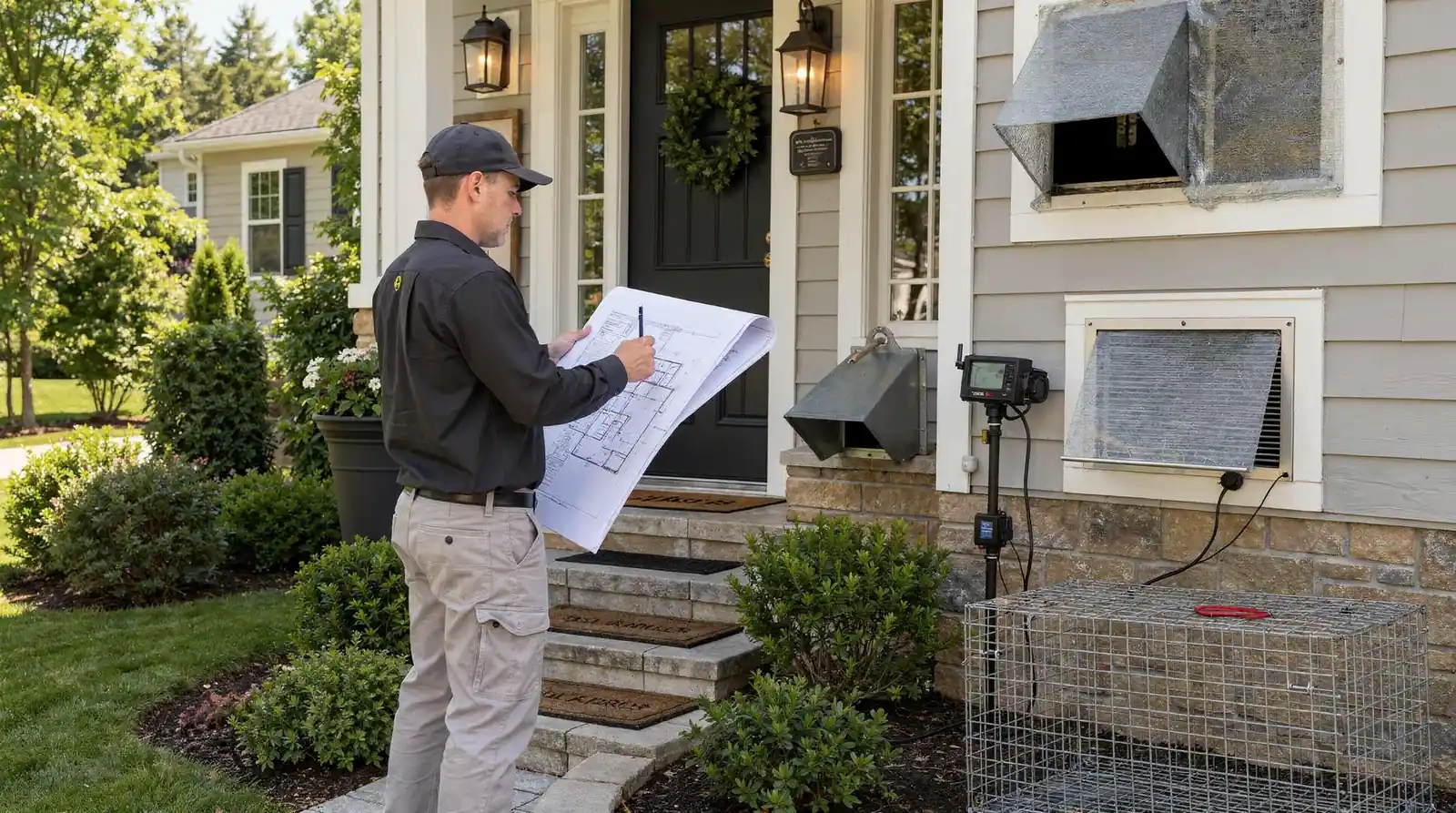
A complete pre-operational checklist for a Connecticut food business starts with legible floor plans. Floor plans must show every piece of equipment and exactly where it sits. These submittals help catch problems before they become expensive mistakes, well before construction begins. A restaurant owner in Windsor or a caterer opening in Canton benefits the same way: plan review on paper is far cheaper than plan review after construction crews have already poured concrete and installed plumbing.
Connecticut health districts evaluate more than the building itself. Facilities, systems, processes, and menus all get reviewed together to determine what a specific operation needs before doors open. A pizzeria with a wood-fired oven faces different requirements than a coffee shop with no cooking equipment at all. The review reflects the actual menu and workflow, not a generic template.
Why does plan review happen before construction starts?
Submitting equipment layouts and specifications early lets reviewers flag problems on paper. Catching a drainage issue or an equipment placement conflict before installation saves owners from costly rework later.
What details should the floor plan include?
Beyond equipment location, the plan should reflect finish schedules and plumbing layout tied to the proposed menu.
Pest exposure often connects directly to these same construction and process details. Kitchen layout, storage flow, and equipment placement all influence pest pressure long after opening day, which is why commercial pest control ct planning fits naturally alongside plan review rather than as an afterthought once problems appear. Nukingstreet Pest & Wildlife Control serves food service operators across Connecticut, translating those same root-cause principles into ongoing protection.
How Does Pest Control Fit Winter Readiness?
Winter readiness means closing the gaps pests use to survive Connecticut’s cold months before rodents, insects, and wildlife find them first. Cracks around foundations, gaps near loading docks, and openings around utility lines all become entry points once temperatures drop. Nukingstreet Pest & Wildlife Control has served Simsbury, CT businesses for many years, using a mechanical-first, eco-friendly approach built to find root causes rather than mask symptoms.
That root-cause focus matters most for properties where pests threaten more than comfort. Commercial pest control CT operators rely on inspections that flag structural vulnerabilities before cold weather turns small gaps into active infestations. Exclusion work sealing entry points does more for long-term winter protection than a single chemical spray ever could.
Why does exclusion matter more in winter?
Cold weather pushes rodents and insects toward warmth, and buildings with unsealed gaps become obvious targets. Nukingstreet leads with exclusion and targeted treatments rather than broad-spectrum chemical applications, an approach especially relevant for commercial food environments where product contamination carries real consequences. Sealing entry points before winter reduces reliance on treatment after pests are already inside.
What about nests left over from fall?
Stinging insect nests built during warmer months don’t always disappear once temperatures drop. Nukingstreet handles nests attached to structures, trees, or overhangs — locations often found near building entries and loading areas. Left untreated, these nests can grow large by late season and pose risks to staff and customers moving through those spaces.
Winter readiness checklist for Connecticut properties:
- Inspect foundation gaps, vents, and utility penetrations for sealing needs
- Check loading docks and overhangs for existing stinging insect nests
- Prioritize exclusion and targeted treatment over broad chemical spraying
- Schedule inspections before the first hard freeze, not after
Addressing these conditions early protects both structure and occupants through Connecticut’s coldest months.
FAQ
Why does winter increase pest risk for Connecticut food facilities?
Cold weather pushes rodents and insects toward warm, food-rich shelter, making warehouses and commercial kitchens prime targets. Sealed, heated buildings offer pests warmth, shelter, and food proximity, especially as outdoor sources disappear.
What temperatures must CT food storage facilities maintain?
These two numbers form the backbone of every health inspection checklist statewide.