

Pest & Wildlife Exclusion Services Enfield
By Nukingstreet Pest & Wildlife Control LLC Editorial Team · Updated 2026-08-07
Nukingstreet Pest & Wildlife Control, LLC, based in Enfield, CT, provides comprehensive pest and wildlife exclusion services for homes and businesses. Technicians identify entry points, seal gaps, vents, and rooflines, and install barriers that block rodents, insects, and wildlife from returning, protecting properties year-round with lasting, professionally installed exclusion solutions.
Exclusion services combine full property inspection, humane trapping, and structural repair to stop wildlife like squirrels and raccoons—active spring through fall—from re-entering homes or businesses. Nukingstreet Pest & Wildlife Control, LLC, based in Enfield, CT, delivers these residential and commercial solutions using proven techniques for lasting exclusion.
Exclusion services seal the structural gaps pests and wildlife use to enter homes and businesses—vents, rooflines, foundation cracks, utility penetrations. Nukingstreet Pest & Wildlife Control, based in Enfield, Connecticut, uses a mechanical-first approach under ACE-certified owner Jeffrey Davis, physically blocking entry points before considering chemical treatment for lasting protection.
Key Takeaways
- Nukingstreet Pest & Wildlife Control, LLC operates in Enfield, CT, serving the local community.
- Baltimore’s moderate climate creates year-round pest havens for rodents, termites, mosquitoes, and wasps.
- Maternity season for regional mammals spans spring through fall, intensifying wildlife removal demands.
- Professional pest control companies use advanced tools, techniques, and technologies for effective exclusion services.
Why Choose Exclusion Over Chemical Spraying?
Exclusion solves pest problems at the structure level instead of masking symptoms with chemicals. Sealing gaps, vents, and rooflines stops future entry. Spraying only kills what’s already inside — leaving the door open for the next intruder. For homeowners and facility managers, that difference determines whether a problem returns next season or stays gone for good.
Most companies in the pest control industry default to chemical treatment first. Spraying is fast, cheap, and easy to schedule, which is exactly why it dominates the market. But speed doesn’t equal a solution. Traditional pest control firms rely on spraying poison to kill insects. An approach fundamentally different from wildlife exclusion, which physically blocks animals from entering a structure at all.
Exclusion services in Enfield take a different philosophy: targeted work over blanket spraying of whatever product happens to be cheapest that week. Rather than treating every property the same way, technicians assess the specific entry points, materials, and vulnerabilities unique to each home or business.
Does sealing entry points actually stop pests long-term?
Yes — because it addresses cause, not symptom. A proactive approach means finding the root reason pests or wildlife gained access, while also addressing the visible population.
Entry point sealing closes the specific gaps animals and insects use to get inside, cutting off the problem at its source.
Consider the practical contrast:
Animal exclusion in CT properties delivers a structural fix that spraying alone can never achieve.
What Happens During An Enfield Exclusion Inspection?
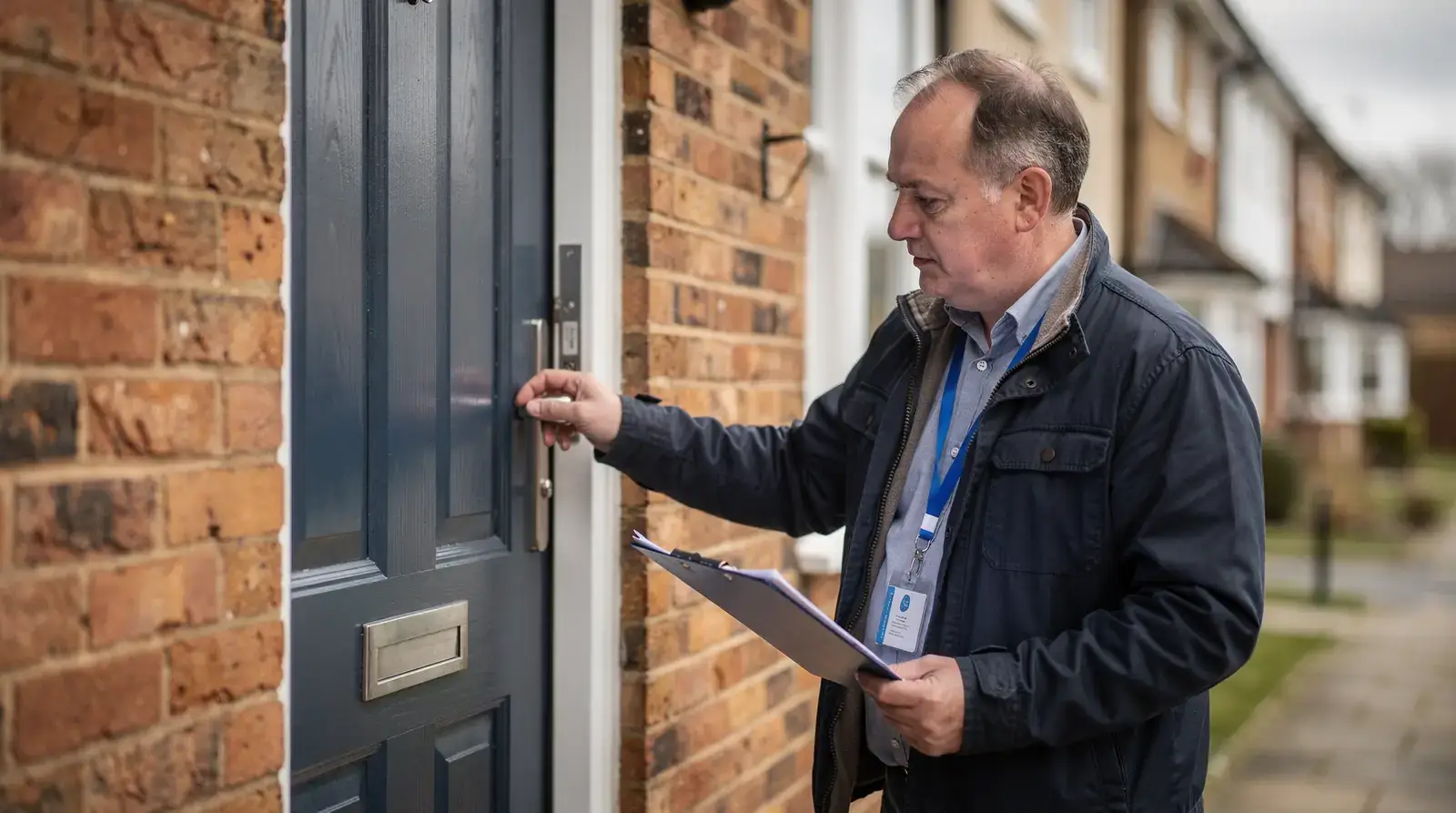
An Enfield exclusion inspection starts with a full walk of the property, inside and out. Trained technicians trace every gap, gouge, and stain back to its source before recommending any repair. Nukingstreet Pest & Wildlife Control, LLC operates out of Enfield, Connecticut, so inspectors already understand which local structures and wildlife pressures cause trouble most often.
That local grounding matters. A raised-foundation colonial near a wooded lot faces different risks than a apartment-roofed commercial building downtown. Knowing the difference shapes the inspection from the first minute.
What does an inspector actually look for?
Inspectors identify why an animal chose the property and how it got inside a structure in the first place. Chewed vents, gapped siding, and rooflines with rotted fascia board top the list of common culprits. Every finding gets documented, not guessed at.
Who performs the inspection?
Owner Jeffrey Davis holds the Associate Certified Entomologist designation, a credential that reflects formal training in pest biology and building science. That expertise carries into every exclusion services Enfield visit, ensuring recommendations rest on evidence rather than assumption.
A standard inspection typically covers:
- Roofline, soffit, and fascia condition
- Foundation gaps and utility penetrations
- Vent screens, chimney caps, and crawlspace access points
- Signs of prior activity, including droppings, gnaw marks, or nesting material
- Structural weak points suited for entry point sealing
Nukingstreet grew from a one-technician operation serving multifamily properties into a full-service company handling both pest and wildlife concerns. That evolution means the same inspection standard now applies to single-family homes, apartment complexes, and commercial facilities pursuing lasting animal exclusion CT solutions.
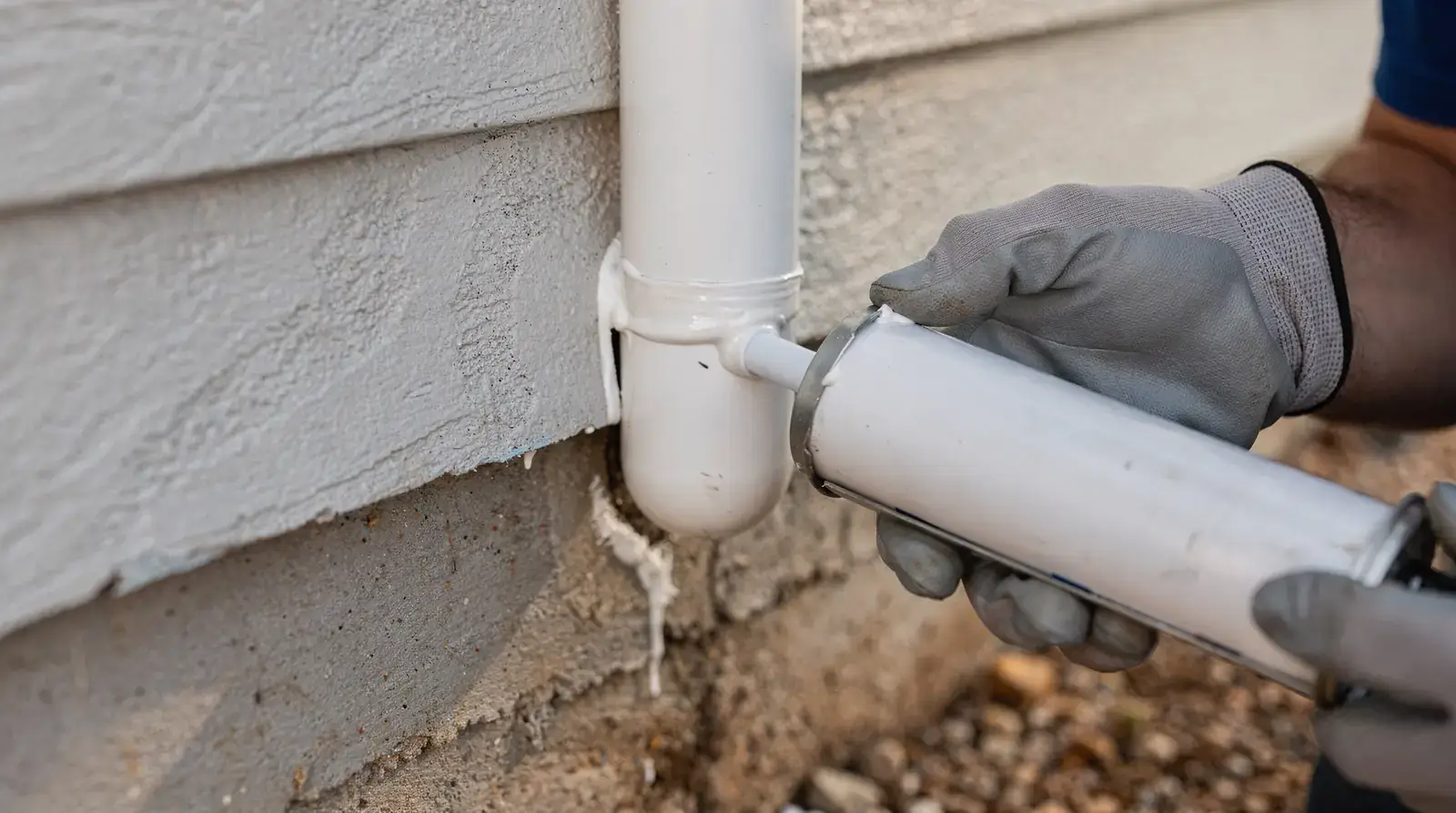
How Does Entry Point Sealing Work?
Technicians locate the weak points on a structure. Gaps around utility lines, damaged soffits, gaps under decks — and physically close them so wildlife cannot get back in. Entry point sealing forms the backbone of any lasting exclusion plan. Trapping an animal without closing its access route only invites the next one in.
The process follows a defined sequence rather than a single visit. A thorough inspection identifies every possible access point on the property. Humane removal clears out any current occupants. Sealing and exclusion work then locks down those weak points. Repair work restores damaged siding, vents, or rooflines so the structure looks and performs as it should.
Nukingstreet’s exclusion services Enfield clients rely on follow this same standard: one technician, one truck, and a relentless commitment to doing the sealing correctly the first time. Materials matter here — galvanized mesh, heavy-gauge flashing, and sealants chosen for durability rather than the cheapest option available.
Does Sealing Harm Wildlife or Pollinators?
No. Responsible exclusion work protects pollinators, wildlife, and surrounding ecosystems rather than harming them. Sealing targets access points, not the animals themselves, and displaced wildlife is removed humanely before any opening closes for good.
What Makes CT Exclusion Work Different From a Quick Patch Job?
Animal exclusion CT properties need accounts for New England’s freeze-thaw cycles, older housing stock, and long wildlife activity seasons. A quick foam patch may degrade within a season; professional sealing uses materials built to hold against chewing, weather, and structural movement for years.
Property owners who invest in full exclusion — inspection through repair. Avoid the repeat service calls that come with partial fixes.
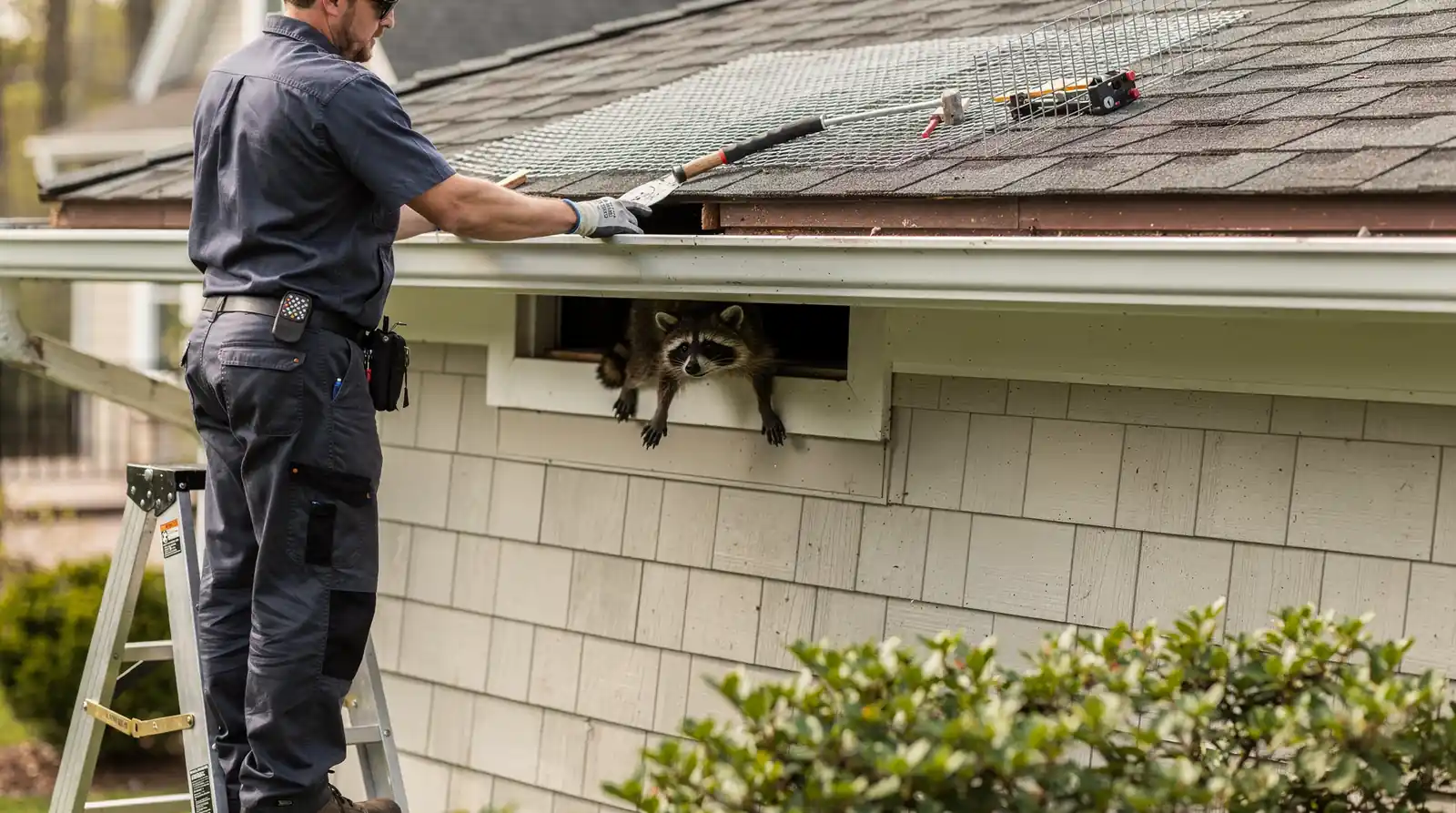
Which CT Wildlife Requires Animal Exclusion?
Squirrels, rats, raccoons, and bats top the list of Connecticut wildlife that require permanent structural exclusion. Regional temperatures stay moderate enough, even in winter, to make attics comfortable shelter for these animals year-round. Once a squirrel or rat family settles into a warm attic void, eviction alone rarely solves the problem. New tenants move in within weeks unless the structure gets sealed properly.
Why does wildlife activity spike in summer?
Spring through fall marks maternity season for most Connecticut mammals. Females seek out attics, soffits, and crawl spaces to raise litters safely away from predators, which drives a sharp rise in wildlife removal calls across the warmer months. Homeowners who notice scratching sounds or droppings in June often trace the problem to a mother animal denning above the ceiling.
Which households benefit most from exclusion work?
Families with young children, cancer survivors, and pet owners face the highest health stakes from wildlife droppings, parasites, and contamination. Animal exclusion CT work reduces that exposure by closing off access before animals establish a foothold, rather than relying on repeated trapping cycles. A health-conscious approach matters more here than in a vacant commercial warehouse. Bedrooms and kitchens often sit just feet from an infested attic.
Nukingstreet’s philosophy treats every wildlife case the same way:
- Targeted — addressing the specific species and entry point, not a generic trap-and-hope routine
- Proactive — solving the root structural cause before another litter moves in
- Health-conscious — protecting vulnerable household members from contamination
- Environmentally responsible — using humane, mechanical methods over poison-first tactics
Business owners and facility managers face the same seasonal pressure, just at larger scale, making exclusion services Enfield properties a practical investment before maternity season begins.
What Should Property Owners Do Next?
Property owners facing repeated wildlife or pest intrusions need a permanent fix, not another temporary patch. Sealing gaps and repairing damage stops the same animals from returning through the same weak points. A trapping visit alone rarely solves the underlying problem; the structure itself needs attention.
Why does sealing entry points matter after animals are removed?
Removing an animal from an attic or crawlspace only solves half the problem. Preventative repairs matter just as much. Unsealed gaps invite the next raccoon, squirrel, or rodent to move right back in. Entry point sealing closes off the gaps, vents, and cracks that gave wildlife access in the first place, turning a one-time removal into a lasting solution.
What happens when structural damage is already done?
Chewed soffits, torn vents, and damaged siding don’t fix themselves once the animal is gone. Full restoration work repairs that damage so the property looks and performs the way it did before the intrusion started. Combining repair with sealing closes the loop between removal and long-term protection.
For Connecticut homeowners and commercial facility managers, a full-service approach matters more than a quick trap-and-go visit. Nukingstreet’s move from sole proprietor to full-service pest and wildlife company grew out of a conviction that this industry could serve property owners better. That standard now guides exclusion services enfield clients rely on for lasting results, alongside broader animal exclusion CT work across the region.
Property owners should prioritize providers who commit to:
- Full inspection before any sealing or repair begins
- Structural repairs that restore damaged areas completely
- Exclusion materials chosen with pollinators, wildlife, and surrounding ecosystems in mind
- Long-term prevention plans, not one-time treatments
Environmental responsibility shapes every recommendation, protecting families, pets, and neighboring wildlife alike.
Pest and wildlife exclusion represents the most effective long-term strategy for protecting your home or business from invasive species. By addressing entry points and vulnerabilities now, you eliminate the conditions that attract pests and wildlife in the first place. Nukingstreet Pest & Wildlife Control brings professional expertise. Proven methods to seal your property against future intrusions, giving you lasting peace of mind. A healthier environment for your family or employees.
FAQ
Why choose exclusion over chemical spraying?
Exclusion seals gaps, vents, and rooflines to stop future entry, while spraying only kills pests already inside. This structural fix determines whether a problem returns next season or stays gone for good.
Does sealing entry points stop pests long-term?
Yes, sealing addresses the root cause by closing the specific gaps animals and insects use to get inside, cutting off the problem at its source while also addressing the visible population.
What happens during an Enfield exclusion inspection?
Trained technicians walk the entire property, inside and out, tracing every gap, gouge, and stain back to its source before recommending repairs, using local knowledge of Enfield structures and wildlife pressures.
Facts
- Nukingstreet Pest & Wildlife Control, LLC is located in Enfield, CT.