

Restaurant Pest Control CT: Health Code Compliance
By Nukingstreet Pest & Wildlife Control LLC Editorial Team · Updated 2026-08-07
Nukingstreet Pest & Wildlife Control, LLC offers restaurant pest control services in Enfield, CT designed to help meet local health code compliance standards. Regular inspections, documented treatment logs, and targeted prevention eliminate rodents, cockroaches, and flies before they trigger violations, protecting kitchens, dining areas, and storage rooms from citations, closures, and reputational damage.
Health inspectors cite pest activity as a leading cause of failed restaurant inspections, jeopardizing licenses and customer safety. Nukingstreet Pest & Wildlife Control, LLC, based in Enfield, CT, provides proactive commercial pest management to help maintain compliance with health codes.
Restaurant pest control demands a mechanical-first, chemical-last strategy that protects food safety without violating health codes. Nukingstreet Pest & Wildlife Control LLC, based in Enfield, Connecticut, avoids SGARs and neonicotinoids near food-prep areas, using AI-powered remote monitoring to document pest activity and provide inspection-ready records that satisfy local health department requirements year-round.
Key Takeaways
- Pest infestations spread diseases and pose significant health risks to restaurant customers and staff members.
- Health inspectors evaluate pest control compliance during routine inspections to protect public health and safety.
- Virginia Administrative Code Title 12, Chapter 421 establishes specific food regulations restaurants must follow.
- Pest control failures result in hefty fines, license suspension, and potential business closure for restaurants.
What Will You Need Before Starting Compliance Prep?
Four items matter most: a written pest management plan, documented service records, a facility walkthrough, and a qualified local provider. Restaurants that skip any of these arrive at inspection day guessing instead of proving compliance. Nukingstreet Pest & Wildlife Control, LLC, based in Enfield, CT, serves restaurant kitchens across Northern CT and Western MA and offers tailored restaurant pest control CT solutions based on these four pieces.
What documents does an inspector expect to see?
Inspectors typically want a current service log, pest sighting records, and proof of a working relationship with a licensed provider. Missing paperwork raises red flags even when the kitchen looks clean. Keeping these records organized and accessible before an inspector arrives removes guesswork from the process.
Why does a proactive plan matter more than a one-time treatment?
A single spray treats a symptom, not the source. Health code pest prevention works because it traces pest activity back to root causes. Gaps in structure, moisture problems, or food storage habits — rather than reacting after pests appear.
Before scheduling a restaurant pest inspection, gather the following:
- A floor plan marking storage, prep, and waste areas
- Recent pest sighting or complaint records from staff
- Sanitation and cleaning schedules
- Building maintenance notes (leaks, gaps, door seals)
- Contact information for the current pest management provider
For any food service establishment, pest control is not cosmetic. It protects the business license, the health permit, and the doors staying open.
How Do You Spot Pest Risks Before Inspectors Do?
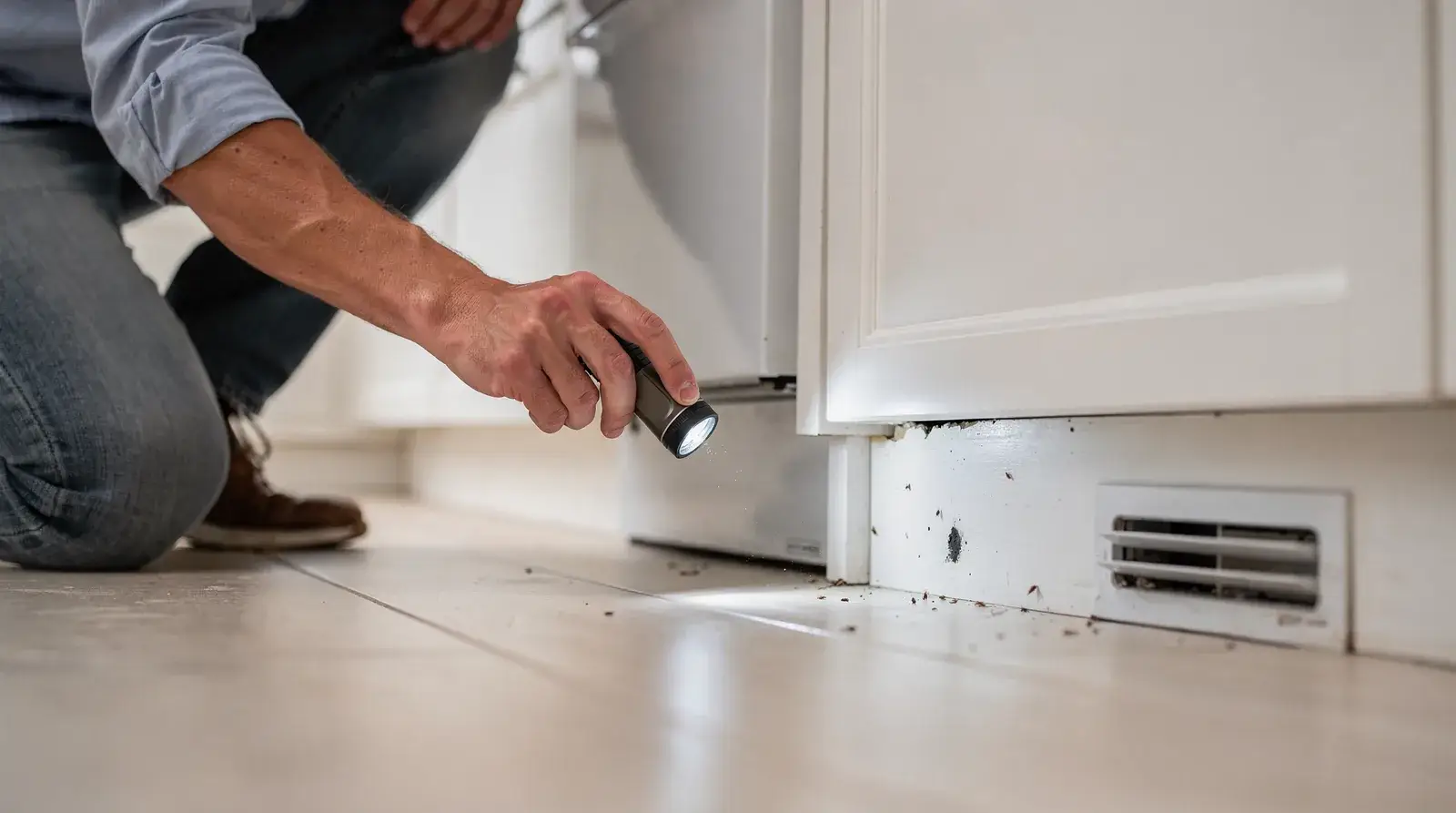
Early detection starts with a systematic walkthrough of the kitchen before any government inspector arrives. Restaurant owners and kitchen managers who catch warning signs first avoid the fines, closures, and reputation damage that follow a failed inspection. Pests target commercial kitchens because these spaces offer everything they need: reliable food scraps, standing moisture, warm equipment, and dark corners to hide in. That combination makes proactive restaurant pest inspection routines essential rather than optional.
What Should a Manager Check During a Self-Inspection?
A thorough self-inspection follows the same logic pests do: food, water, warmth, shelter. Managers should move through the kitchen methodically rather than glancing around during a busy shift.
- Check under and behind heavy equipment, where grease and crumbs collect unseen.
- Inspect dry storage shelves for gnaw marks, droppings, or damaged packaging.
- Look along baseboards and door sweeps for gaps pests use as entry points.
- Examine drains, mop sinks, and any area with standing moisture.
- Review delivery areas, since shipments often carry pests inside before staff notice.
Why Does a Targeted Program Work Better Than a Generic Spray?
A generic, cheapest-option treatment misses the specific vulnerabilities of an individual kitchen. Effective health code pest prevention depends on identifying exactly where a facility is exposed, then addressing those points directly instead of applying a one-size-fits-all chemical treatment.
Pest presence ranks among the most common and serious reasons restaurants receive a poor health inspection score. Inspectors look for droppings, live insects, and structural gaps that signal an ongoing problem, not just a one-time slip. A well-designed restaurant pest control ct program builds these checks into daily operations, catching issues weeks before an inspector’s visit rather than reacting after a citation lands.
Which Prevention Steps Keep Your Kitchen Ahead of Code?
Five deliberate actions separate a kitchen that passes inspection from one that scrambles before the inspector’s visit. Restaurant owners and kitchen managers who follow a structured sequence avoid the citations, closures, and reputation damage that pest sightings cause. Restaurant pest control ct providers build these steps into a repeatable schedule rather than a one-time fix.
- Audit entry points and food storage first. Sealing gaps, repairing door sweeps, and elevating dry goods off the floor remove the conditions pests need to establish themselves.
- Choose treatments that protect people on site. A health code pest prevention plan accounts for staff, diners, families, cancer survivors, and pet owners who move through the space daily, so products and methods must minimize exposure risk.
- Select environmentally responsible methods. Prevention work should protect pollinators, wildlife, and the ecosystem surrounding the property, not just the interior of the building.
- Document every treatment and inspection. Written records give kitchen managers proof of due diligence when a restaurant pest inspection occurs.
- Schedule recurring monitoring, not one-time visits. Pests return quickly once conditions allow it; ongoing checks catch problems before they reach the dining room.
Why does pest activity matter beyond appearances?
Pest sightings represent more than an unpleasant moment for a customer. The CDC has documented that pests spread disease, turning a cosmetic issue into a genuine health risk. Inspectors treat this connection seriously, which is why prevention carries as much weight as visible cleanliness during any review.
How often should a commercial kitchen schedule inspections?
Kitchens facing high food traffic and frequent deliveries benefit from more frequent monitoring than typical retail spaces. Consistent scheduling, paired with prompt corrective action, keeps facilities ready for surprise visits rather than reactive scrambling. Kitchens that treat prevention as routine, not emergency response, consistently maintain stronger compliance records over time.
How Do You Prepare For a Restaurant Pest Inspection?
Preparation for a restaurant pest inspection begins long before the inspector’s visit, with routine checks of storage, prep, and dish areas. Kitchen managers who build daily habits around health code pest prevention protect the restaurant’s business license. Avoid costly fines tied to failed inspections. Customer safety depends on that same diligence. Pest activity remains one of the fastest ways to damage a dining room’s reputation.
A structured routine turns inspection day into a formality rather than a gamble. The following steps give managers a repeatable checklist:
- Walk every prep station, walk-in cooler, and dry storage room weekly, looking for droppings, gnaw marks, and moisture buildup.
- Seal cracks around pipes, doors, and vents before pests use them as entry points.
- Keep sanitation and pest activity logs current, since inspectors ask for documented history, not verbal assurance.
- Schedule proactive restaurant pest control ct service on a recurring basis rather than calling only after a sighting.
- Train kitchen staff to report signs immediately, so small problems get corrected before an inspector arrives.
What Should a Manager Check the Night Before an Inspection?
Dumpsters should sit closed and pulled away from the building, drains should run clear, and no standing water should collect under equipment. A final sweep of storage shelving catches spills that draw pests overnight, closing gaps a rushed morning check might miss.
Nukingstreet built its inspection-readiness approach on a simple origin story: one technician, one truck, and a relentless standard for doing pest control correctly. That standard grew from serving multifamily properties into a full-service operation, built on the conviction that pest management could be done better. The same philosophy now shapes how commercial kitchens across the region prepare for inspection day.
What Mistakes Trigger Repeat Violations and Failed Inspections?
Repeat violations trace back to one root cause: treating pest management as a one-time fix instead of an ongoing discipline. Restaurants that call for help only after spotting a problem miss the daily prevention work that health code pest prevention actually requires. This reactive pattern is an industry-wide failure, not a restaurant-specific one.
Many pest control providers make the problem worse. Rather than building consistent, preventive service plans, they lead with heavy chemical treatments and respond only when a violation already appears. Restaurant clients get treated like account numbers instead of long-term partners in food safety. That approach leaves gaps between visits — exactly when inspectors show up.
Why do restaurants fail the same inspection twice?
Failed reinspections usually happen because the underlying conditions attracting pests were never fixed, only the visible pests were treated. A kitchen that sprays after sighting activity, without addressing entry points or sanitation gaps, invites the same restaurant pest inspection citation next cycle.
What happens if pest violations go unaddressed?
Consequences escalate quickly. Left unresolved, pest-related violations lead to steep fines, mandatory closures, and lasting reputational damage that outlasts any single bad review.
Common triggers behind repeat citations include:
- Calling a technician only after pests are visible
- Relying on broad chemical spraying instead of prevention plans
- Skipping follow-up visits between inspection cycles
- Treating restaurant pest control ct compliance as a checkbox, not an operational standard
Maintaining pest control and health code compliance protects your restaurant’s reputation, customer safety, and bottom line. A proactive partnership with a professional pest control provider ensures consistent monitoring, swift intervention, and documented compliance that satisfies inspectors and builds customer confidence. By prioritizing prevention and professional expertise, you transform pest management from a reactive crisis into a strategic operational advantage that keeps your establishment thriving.
FAQ
What documents does an inspector expect to see during a restaurant inspection?
Inspectors want a current service log, pest sighting records, and proof of a working relationship with a licensed provider. ### Why does a proactive pest management plan matter more than a one-time treatment?
Proactive prevention traces pest activity back to root causes like structural gaps, moisture problems, or food storage habits instead of reacting after pests appear.
What approach does Nukingstreet Pest & Wildlife Control use for restaurant pest management?
Nukingstreet applies a mechanical-first, chemical-last strategy, avoiding SGARs and neonicotinoids near food-prep areas. The company uses AI-powered remote monitoring to document activity and provide inspection-ready records for Connecticut health departments.
Facts
- Nukingstreet Pest & Wildlife Control, LLC is located in Enfield, CT.