

Attic Rodent Removal: Pest & Wildlife Control
By Nukingstreet Pest & Wildlife Control LLC Editorial Team · Updated 2026-08-07
Attic rodent removal and cleanup services eliminate mice, rats, and squirrels through exclusion-based methods rather than poison, which never solves infestations long-term. Nukingstreet Pest & Wildlife Control, founded in Enfield, CT and led by Associate Certified Entomologist Jeffrey Davis, seals entry points, sanitizes contaminated insulation. Repairs damage using a mechanical-first, chemical-last approach that protects families and pets.
Key Takeaways
- Specialized animal removal companies treat rodents differently than traditional pest control services treat insects.
- Professional attic cleaning services address both rodent elimination and cleanup of infestation damage and debris.
- Rodent exclusion work identifies and seals home weaknesses that allow rats and mice entry points.
- Nukingstreet Pest & Wildlife Control, LLC provides these services from their Enfield, CT location.
What Signs Reveal a Rodent Infestation in Your Attic?
Scratching sounds overhead, greasy rub marks along the eaves, and shredded insulation top the list of warning signs. Attics offer rodents warmth, shelter, and easy access through gaps most homeowners never notice. Left unchecked, a small entry point becomes a nesting site within weeks, and cleanup costs climb fast.
Nukingstreet technicians rely on forensic-level inspections to trace the problem back to its source. Rather than just spotting droppings and calling it done, these inspections uncover the structural vulnerabilities letting rodents slip into the attic in the first place. Gaps around vents, soffit damage, or gaps where utility lines enter the home.
How Can Homeowners Tell If It’s Rats, Mice, or Squirrels?
Droppings offer the clearest clue: mice leave small, thin pellets, while rat droppings are larger and blunt-ended. Squirrels tend to leave chewed wood, nesting debris, and audible daytime movement. They’re active during daylight hours unlike most rodents.
Common signs of an active attic infestation include:
- Scratching or scurrying noises, especially at dusk and dawn
- Dark, greasy smudge marks along beams and entry points
- Torn insulation, shredded nesting material, or chewed wiring
- A persistent ammonia-like odor from accumulated urine and droppings
Even when the diagnosis is unwelcome, Nukingstreet reports these structural weaknesses honestly, flagging the exact conditions likely to cause repeat infestations down the road.
Rodent control sits among the company’s core services, covering everything from initial inspection through full attic rodent removal. Because infestations leave behind contaminated insulation and droppings, most cases also call for professional rodent cleanup attic work — decontaminating the space and sealing entry points before damage spreads further, including tailored bat and rodent attic solutions where multiple species share the same access gaps.
Why Is Chemical-First Rodent Control a Mistake?
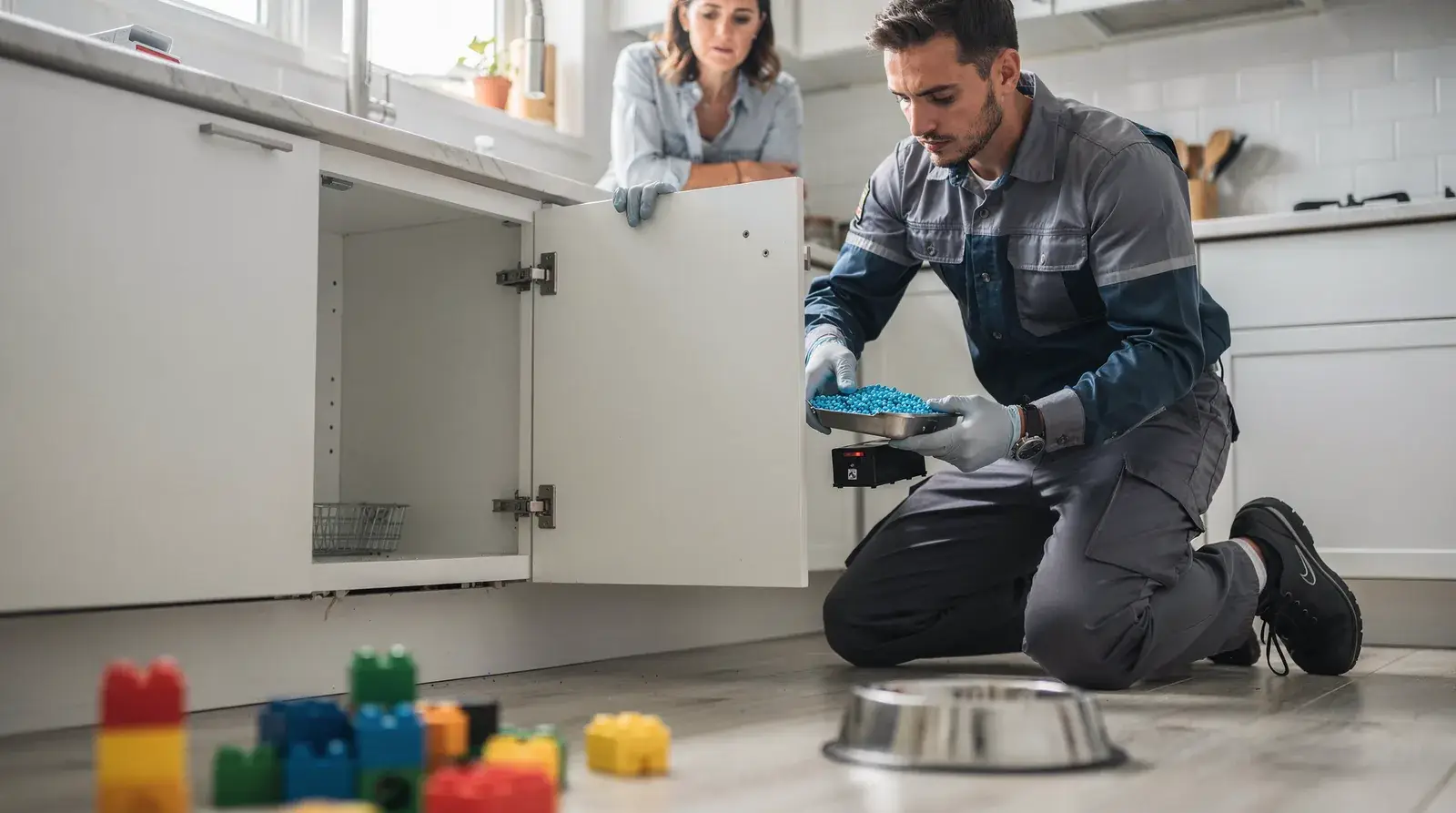
Chemical-first rodent control fails homeowners because poison alone never eliminates a colony living inside a structure. Rats and mice reproduce faster than bait stations can keep pace, leaving families stuck paying for repeat visits that never resolve the root cause. Each new invoice signals the same unfinished job. Dead animals hidden in walls, fresh droppings in the insulation, and rodents still entering through the same gaps.
Nukingstreet takes a different approach to attic rodent removal. Chemicals never lead the strategy here; sealing entry points and removing access come first, before any treatment touches the attic. That sequence matters because poison without exclusion just creates a revolving door. New rodents move in as soon as the old ones die off.
Does Nukingstreet Use Rat Poison?
Nukingstreet actively avoids second-generation anticoagulant rodenticides, commonly known as SGARs. These poisons build up in the bodies of rats and mice, then poison the owls, hawks, and foxes that eat them. Skipping SGARs protects the wildlife living around a property, not just the rodents inside it.
What Does Mechanical-First Exclusion Involve?
Exclusion work happens before any chemical steps are considered. Technicians identify and seal gaps, vents, and rooflines that give rodents access to the attic.
The mechanical-first method delivers lasting results instead of temporary suppression:
- Exclusion first — entry points get sealed before treatment begins
- No SGARs — rodenticides that harm hawks, owls, and pets stay off the table
- Full-scope solutions — rodent cleanup attic work and bat and rodent attic solutions address sanitation and re-entry together, not as separate afterthoughts
Poison treats a symptom. Exclusion solves the actual problem.
What Does Professional Attic Rodent Cleanup Involve?
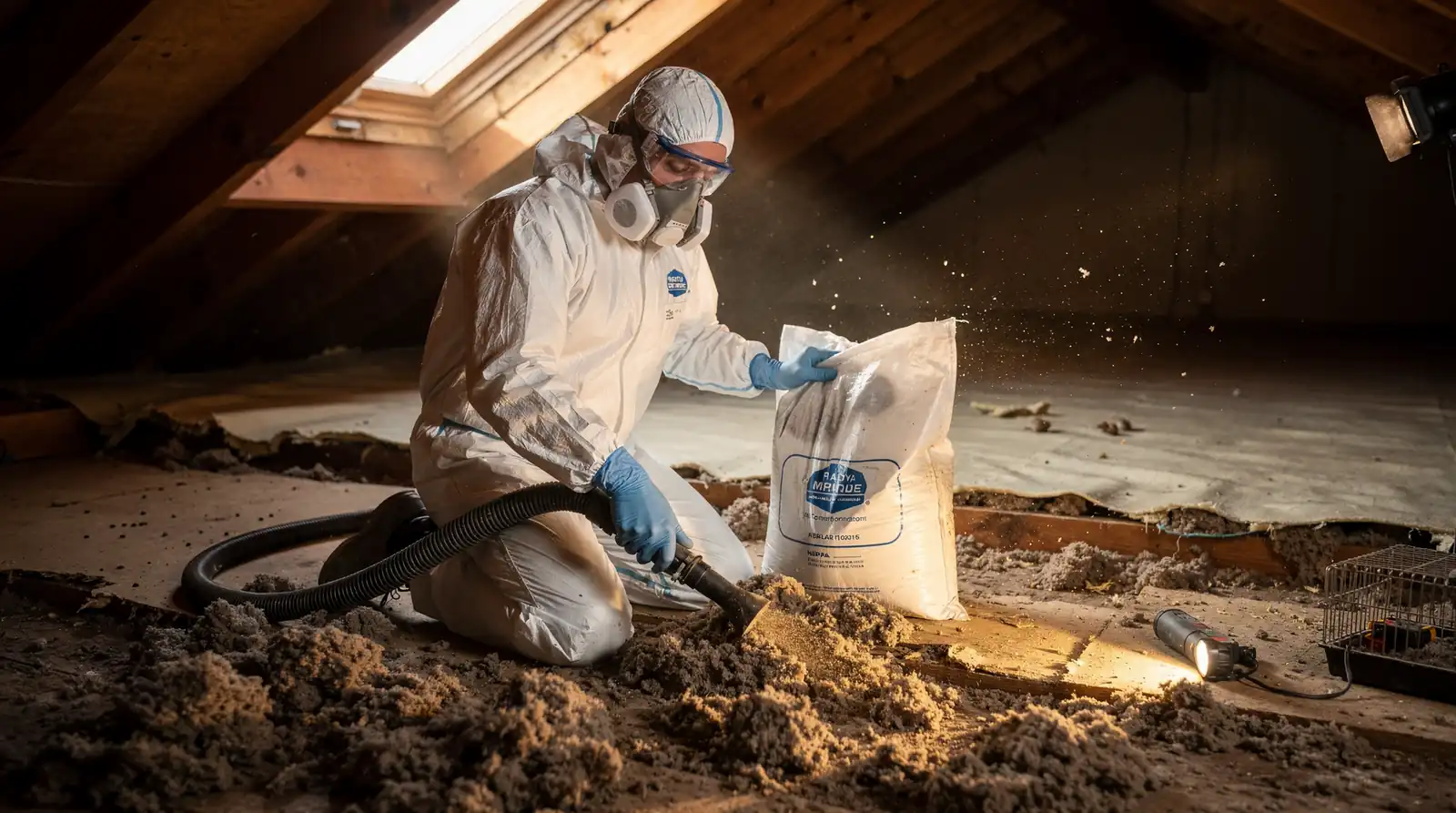
Professional cleanup follows a structured sequence: inspection, removal, decontamination, and prevention. Skipping any one of these steps leaves droppings, urine, and nesting debris behind. And those contaminants keep attracting new rodents long after the first ones are gone. A full attic rodent removal service treats the infestation as a whole-house problem, not a one-time trap-and-forget job.
Where does the process start?
Technicians begin with a top-to-bottom inspection of the entire structure, not just the attic. That means checking the roofline, eaves, and every gap where rodents might enter or exit. This step identifies both the current damage and the access points responsible for it.
What happens to contaminated insulation?
Soiled insulation — whether blown-in or rolled — gets pulled out using specialized vacuum and hose equipment. Rodent waste soaks into insulation fibers and can’t simply be spot-cleaned or sprayed over. Removing it physically is the only way to eliminate the odor trail that draws in more pests.
Once the old material is gone, trained rodent control specialists handle the rodent cleanup attic decontamination phase. This includes:
- Sanitizing surfaces where droppings and urine were present
- Removing leftover nesting material
- Treating the space to neutralize lingering odors that attract new rodents
Nukingstreet’s approach stays proactive throughout this process, targeting the root cause of the infestation rather than just clearing out the mess. That philosophy extends to comprehensive bat and rodent attic solutions. Exclusion work follows cleanup to keep the space wildlife-free going forward. Cleanup without prevention is only half the job. And homeowners who skip exclusion often see the same problem return within a season.
How Do You Exclude Rodents and Bats for Good?
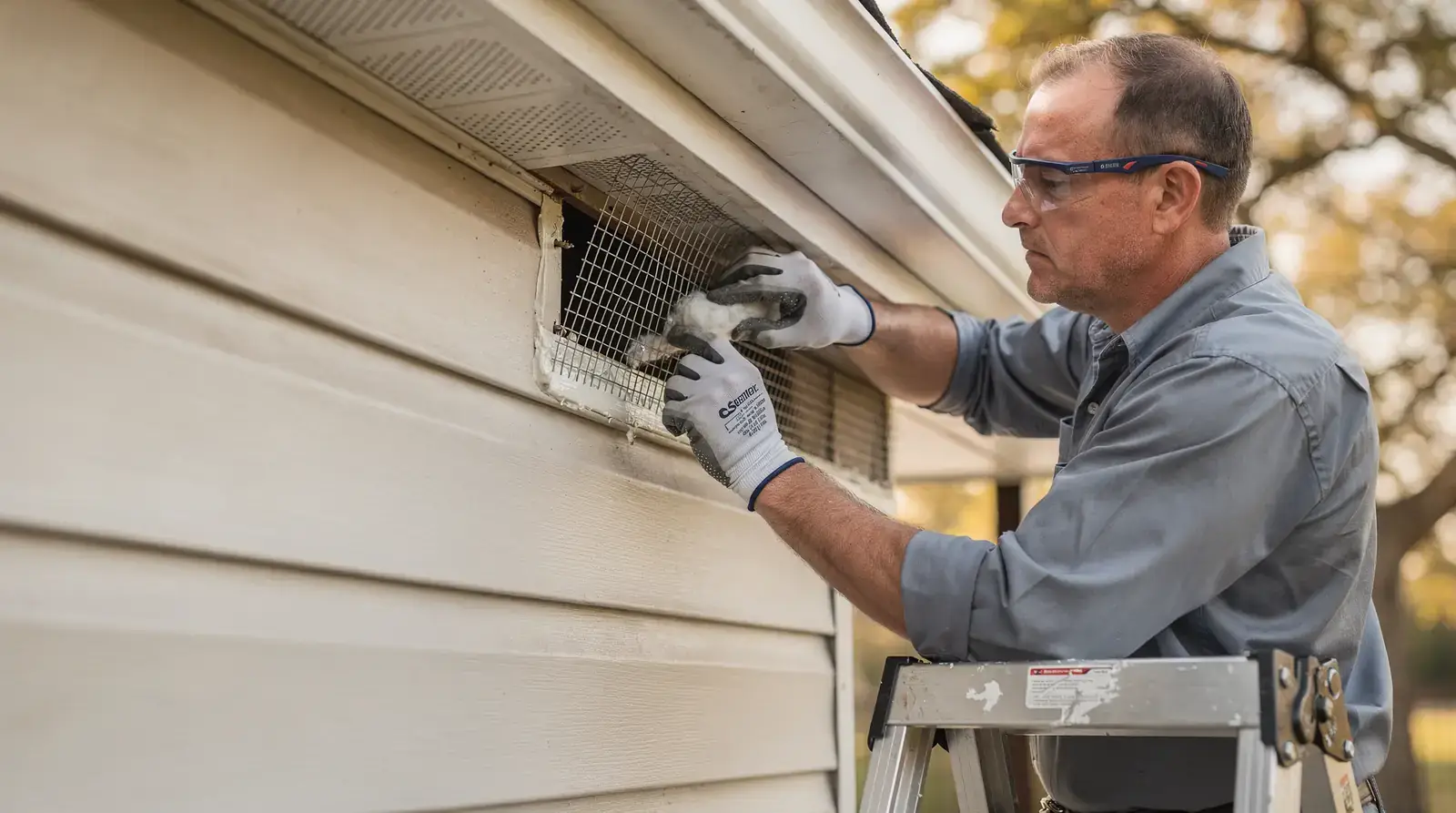
Permanent results come from sealing every entry point, not just trapping what’s already inside. Attic rodent removal works only when technicians pair capture with rodent-proofing. Sealing gaps, vents, and rooflines that let rats, mice, and squirrels back in. Skip that step, and new rodents move in within weeks.
Rodent-proofing, sometimes called exclusion, targets the access points animals use to reach the attic in the first place. Gaps around utility lines, damaged soffits, and gable vents rank among the most common entryways. Closing them off with durable materials stops reentry at the source, rather than just addressing symptoms.
Bats require a different, more specialized approach than rats or squirrels.
Do bats need special exclusion methods?
Bats need one-way exclusion devices, not traps, since several species carry legal protections. Jeffrey Davis holds NWCOA Bat Standards. Exclusion Product Installation certifications, ensuring bat and rodent attic solutions follow humane, code-compliant protocols. Bat Cone Certification and NWCOA Wildlife Zoonosis training round out the credentials behind every bat job, reducing disease exposure risk for homeowners and technicians alike.
Wildlife exclusion work extends beyond rodents and bats. Services also cover:
- Squirrel removal
- Bat removal
- Raccoon, skunk, and groundhog removal
Once entry points close, attention turns to rodent cleanup attic work — removing droppings, soiled insulation, and contamination left behind. Skipping cleanup leaves odors and health hazards that attract new pests, even after exclusion succeeds. A properly sealed, sanitized attic protects the home for years, not just until the next rainy season.
How Does AI Monitoring Keep Your Attic Rodent-Free?
Nukingstreet Pest & Wildlife Control installs AI-powered electronic monitoring devices to catch rodent activity long after the initial cleanup ends. Most competitors in Northern CT and Western MA rely on manual checks or none at all — this technology closes that gap. Sensors track movement in real time, flagging new activity before a mouse or rat can rebuild a colony in the insulation.
Speed matters just as much as detection. Active infestations get same-day and fast-response service. A homeowner who spots droppings or hears scratching overnight doesn’t wait days for a callback. Fast action limits property damage and reduces the chance that rodents chew through wiring or nest deeper into the structure.
Does attic monitoring continue after the rodents are gone?
Yes. Ongoing protection runs on monthly subscription billing, with cancel-anytime terms and a 30-day notice requirement. That structure keeps monitoring active through every season, since rodents don’t stop testing entry points once the weather turns.
What’s the real goal behind the technology?
Dead rodents aren’t the finish line. The mission centers on removing the emotional burden that comes with hearing something move in the ceiling at 2 a.m. Bat and rodent attic solutions exist to hand homeowners a sanctuary again, not just a cleared trap.
Combined with proper attic rodent removal and thorough rodent cleanup attic work, monitoring closes the loop:
- Detects new activity before it becomes an infestation
- Alerts technicians remotely, cutting response time
- Confirms exclusion repairs are holding
- Gives homeowners documented peace of mind, season after season
Attic rodent removal and cleanup demands professional expertise to address both the immediate infestation and the lingering health hazards left behind. Nukingstreet Pest & Wildlife Control brings certified knowledge and proven methods to eliminate rodents, sanitize contaminated spaces, and restore your home to a safe condition. With a commitment to thorough solutions and long-term prevention, we help you reclaim your attic and protect your family’s wellbeing.
FAQ
What are the first signs of an attic rodent infestation?
Scratching sounds overhead, greasy rub marks along the eaves, and shredded insulation signal an infestation. Nukingstreet performs forensic-level inspections to trace these signs back to structural vulnerabilities like gaps around vents or soffit damage.
How do droppings help identify which rodent is in the attic?
Mice leave small, thin pellets, while rat droppings are larger and blunt-ended. Squirrels instead leave chewed wood and nesting debris, plus audible daytime movement since they’re active during daylight hours.
Why does Nukingstreet avoid using poison as the primary treatment?
Poison alone never eliminates a colony living inside a structure, since rodents reproduce faster than bait stations can control. Nukingstreet instead seals entry points and removes access first, before any chemical treatment touches the attic.
Facts
- Nukingstreet Pest & Wildlife Control, LLC is located in Enfield, CT.