
Ct Wildlife Removal Regulations: Connecticut Wildlife Removal
By Nukingstreet Pest & Wildlife Control LLC Editorial Team · Updated 2026-08-07
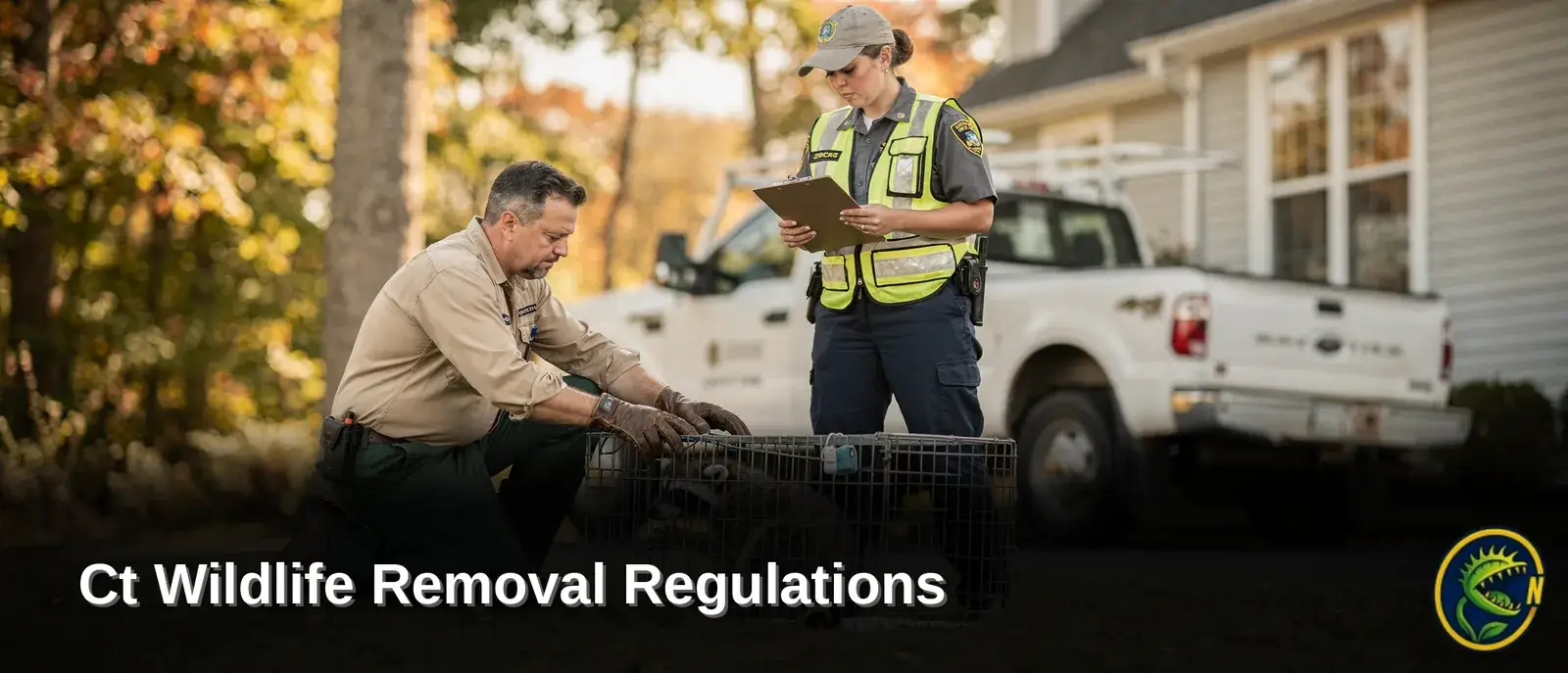
Connecticut wildlife removal requires a DEEP (Department of Energy and Environmental Protection) Nuisance Wildlife Control Operator license for handling species like raccoons, bats, and squirrels. Licensed operators, such as Nukingstreet Pest & Wildlife Control, LLC in Enfield, CT, follow state trapping, relocation, and humane euthanasia regulations under Connecticut General Statutes.
Connecticut wildlife removal requires licensed Nuisance Wildlife Control Operators (NWCOs) registered through the state’s Wildlife Division. The state fields thousands of conflict calls yearly involving raccoons, skunks, bats, and squirrels. Regulations mandate humane handling, proper species identification, and exclusion repairs. Nukingstreet Pest & Wildlife Control, led by ACE-certified Jeffrey Davis, follows these mechanical-first, chemical-last standards throughout Northern Connecticut.
Key Takeaways
- Connecticut’s Wildlife Division receives several thousand calls annually concerning wildlife conflicts with residential and commercial properties.
- The state operates a Nuisance Wildlife Control Operator Program regulating professional removal of small mammals and birds.
- Common nuisance wildlife in Connecticut includes raccoons, squirrels, skunks, woodchucks, opossums, and bats requiring licensed removal.
- Property owners must comply with Connecticut wildlife protection laws before attempting animal removal or damage repairs.
Why Does Connecticut Regulate Nuisance Wildlife Removal?
Connecticut regulates wildlife removal because unmanaged conflicts strain both public safety and the state’s animal populations. The state’s wildlife removal regulations exist to keep property owners, technicians, and animals safe during encounters that occur far more often than most residents realize. Connecticut’s Wildlife Division fields several thousand nuisance calls annually. Most involve small mammals or birds encroaching on homes and businesses.
Which animals trigger the most wildlife conflicts in Connecticut?
Squirrels, raccoons, skunks, woodchucks, opossums, and bats account for the majority of reported conflicts across the state. Nuisance birds add to the total, with house sparrows, starlings, pigeons, and woodpeckers frequently named in complaints. These species den, nest, and forage close to structures, creating repeated contact points between wildlife and residents.
That volume of calls explains why the state built a regulatory framework in the first place. Left unchecked, one improperly handled raccoon removal or bat exclusion can turn into a public health risk or an animal welfare violation. Connecticut’s humane wildlife laws set boundaries so that removal methods protect both people and the animals involved.
Property managers and homeowners benefit from services that treat these rules as a floor, not a ceiling. A root-cause approach — sealing entry points and addressing the structural issues that invite wildlife in the first place. Prevents repeat conflicts rather than just relocating a symptom. This proactive standard aligns naturally with Connecticut’s wildlife relocation rules, which favor long-term exclusion over one-time capture.
Conservation concerns run through the entire framework, too. An environmentally responsible standard that protects pollinators, wildlife, and local ecosystems mirrors the same priorities that shaped the state’s regulations. Compliance, in that sense, isn’t a bureaucratic hurdle — it’s a shared commitment to doing removal right.
Who Enforces CT Wildlife Removal Regulations?
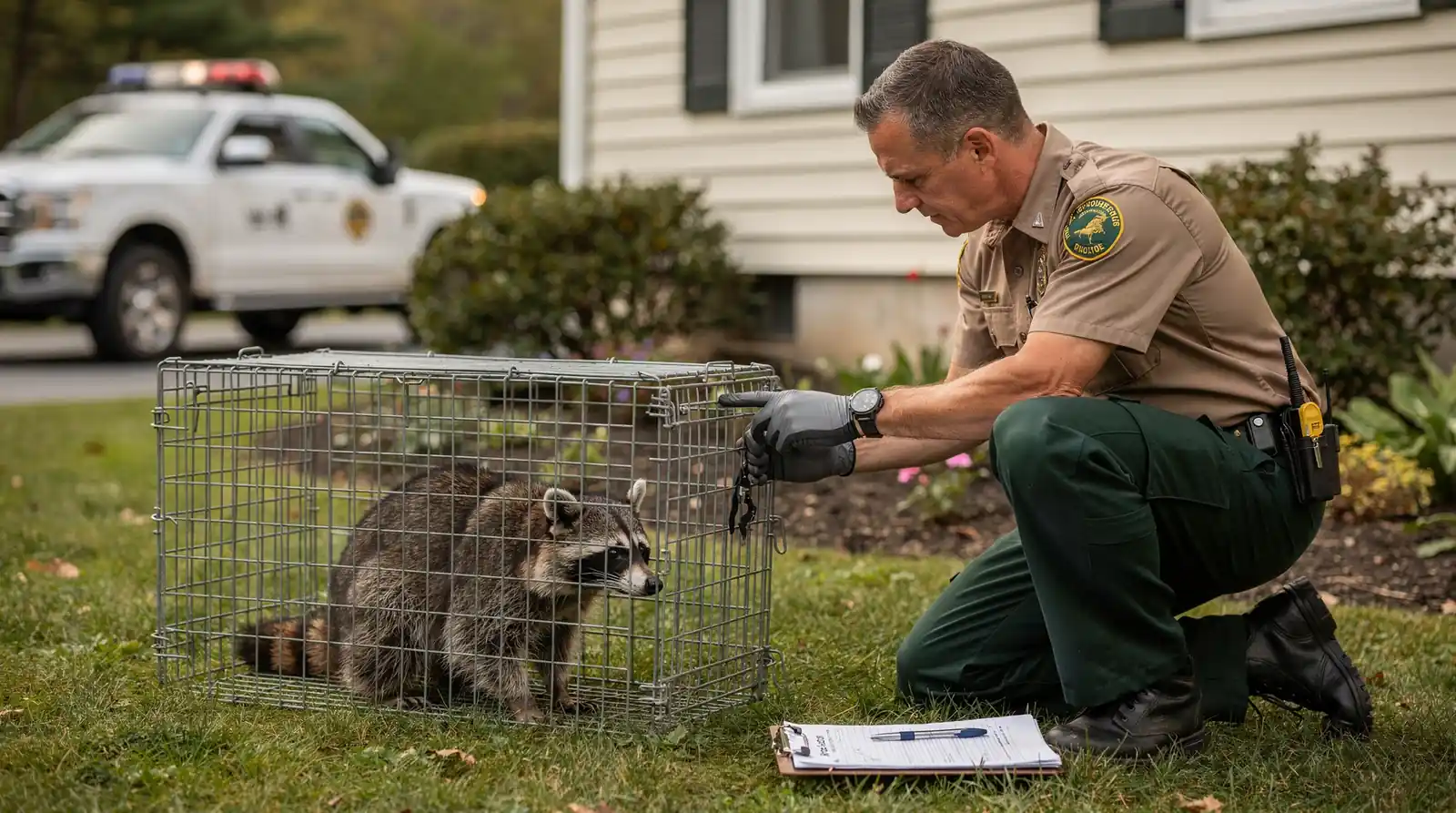
Both state and federal agencies enforce CT wildlife removal regulations. Property owners carry direct legal responsibility for how nuisance animals get handled on their land. Skipping the paperwork or hiring an unlicensed operator doesn’t remove that liability. It just shifts the risk onto the homeowner. Connecticut residents dealing with raccoons in the attic or skunks under the porch need to understand who’s actually watching this process.
State oversight comes first for most Connecticut cases. Nuisance wildlife control operators must follow rules set by Connecticut’s environmental authorities. Those rules dictate what species can be trapped, how they’re transported, and where they can legally be released. This is where humane wildlife laws Connecticut residents rely on actually take shape. Not as vague guidelines, but as enforceable standards.
Federal agencies add a second layer of authority. The U.S. Fish and Wildlife Service and the Environmental Protection Agency both help regulate the nuisance wildlife control industry, particularly when protected species or certain pesticide-based methods come into play. Property owners who assume state law is the only hurdle often get caught off guard by federal requirements they never knew existed.
Does hiring a local company guarantee compliance?
Not automatically — but working with an operator based inside Connecticut helps. Nukingstreet Pest & Wildlife Control operates out of Enfield, placing the company squarely within the state’s regulatory jurisdiction for wildlife work. Local presence means familiarity with the specific wildlife relocation rules CT enforces, not generic national guidance.
Why does the technician’s credentials matter here?
Credentials signal accountability. Owner Jeffrey Davis holds the Associate Certified Entomologist designation, reflecting the professional standard homeowners should expect from anyone handling regulated wildlife removal.
What Counts As Humane Wildlife Laws In Connecticut?
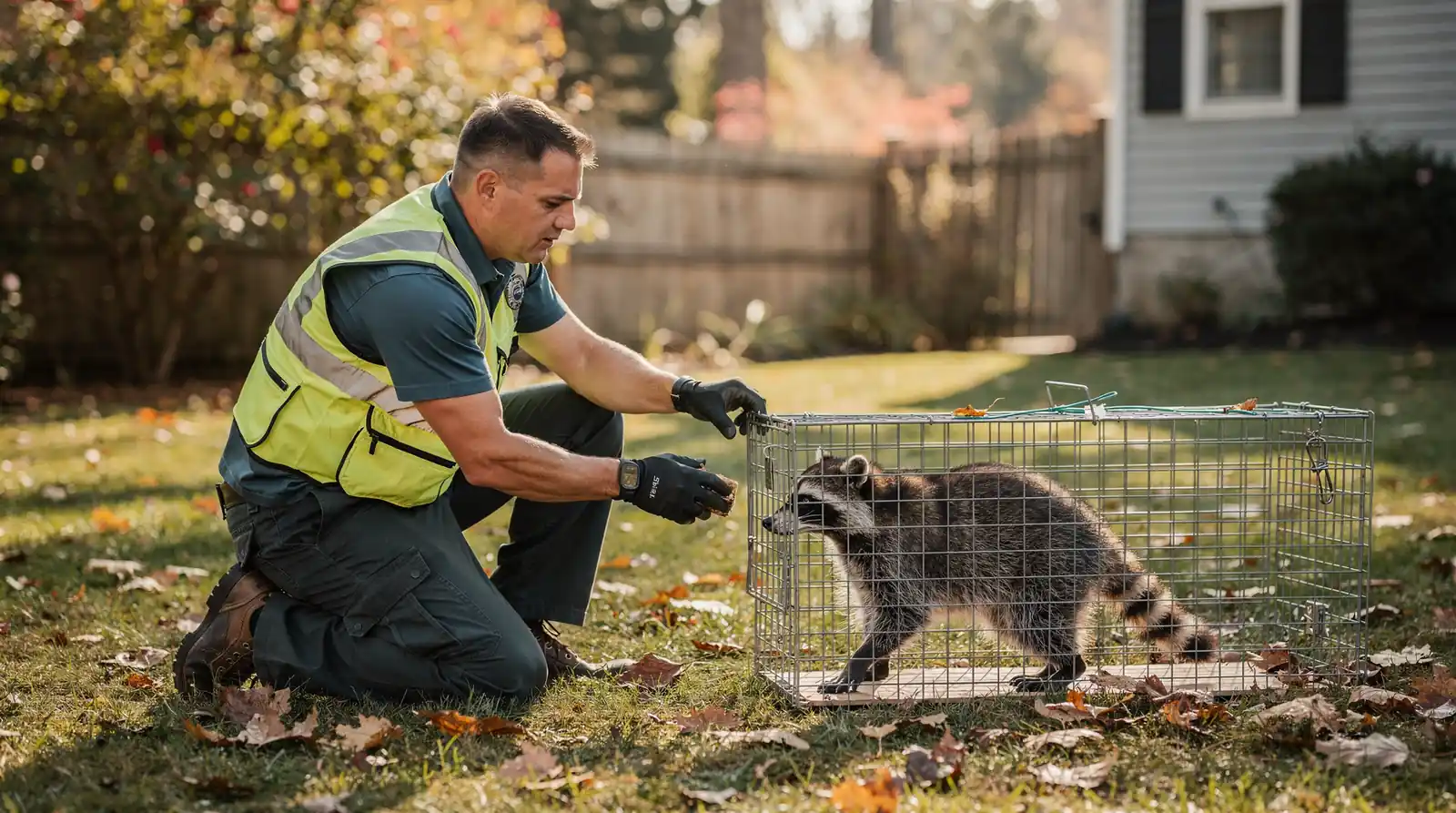
CT wildlife removal regulations define the legal boundaries property owners must follow when dealing with raccoons, squirrels, bats, or other nuisance animals on a Connecticut property. Skipping these rules risks fines, botched removals, and animals left to suffer or die inside walls and attics. Correct identification comes first — a technician who cannot tell a gray squirrel from a flying squirrel cannot apply the right legal method for either one.
Once the species is confirmed, humane removal means using methods suited to that animal, then sealing entry points so new wildlife cannot move in behind it. This two-step process — identify, then exclude — sits at the core of humane wildlife laws Connecticut property owners are expected to follow. Blanket, one-size-fits-all treatment does not satisfy this standard. A raccoon in a chimney and a bat colony in a soffit require entirely different handling.
What makes a removal method “humane” under Connecticut law?
A humane method avoids unnecessary suffering and matches the biology of the specific species involved. Connecticut expects a targeted response rather than a generic trapping-and-removal routine applied to every job. This species-specific approach protects the animal, the property, and the people living in it.
Why does this matter for families and pets?
Low-impact, health-conscious wildlife solutions reduce risk for sensitive households, including families with cancer survivors and pet owners. Harsh chemical repellents or indiscriminate trapping can introduce unnecessary exposure risks indoors. Compliant removal work should protect people and animals at the same time.
Property owners hiring outside help should confirm any wildlife relocation rules CT requires are being followed. Improper relocation can violate state wildlife regulations and harm the animal’s chance of survival.
What Are The Wildlife Relocation Rules In CT?
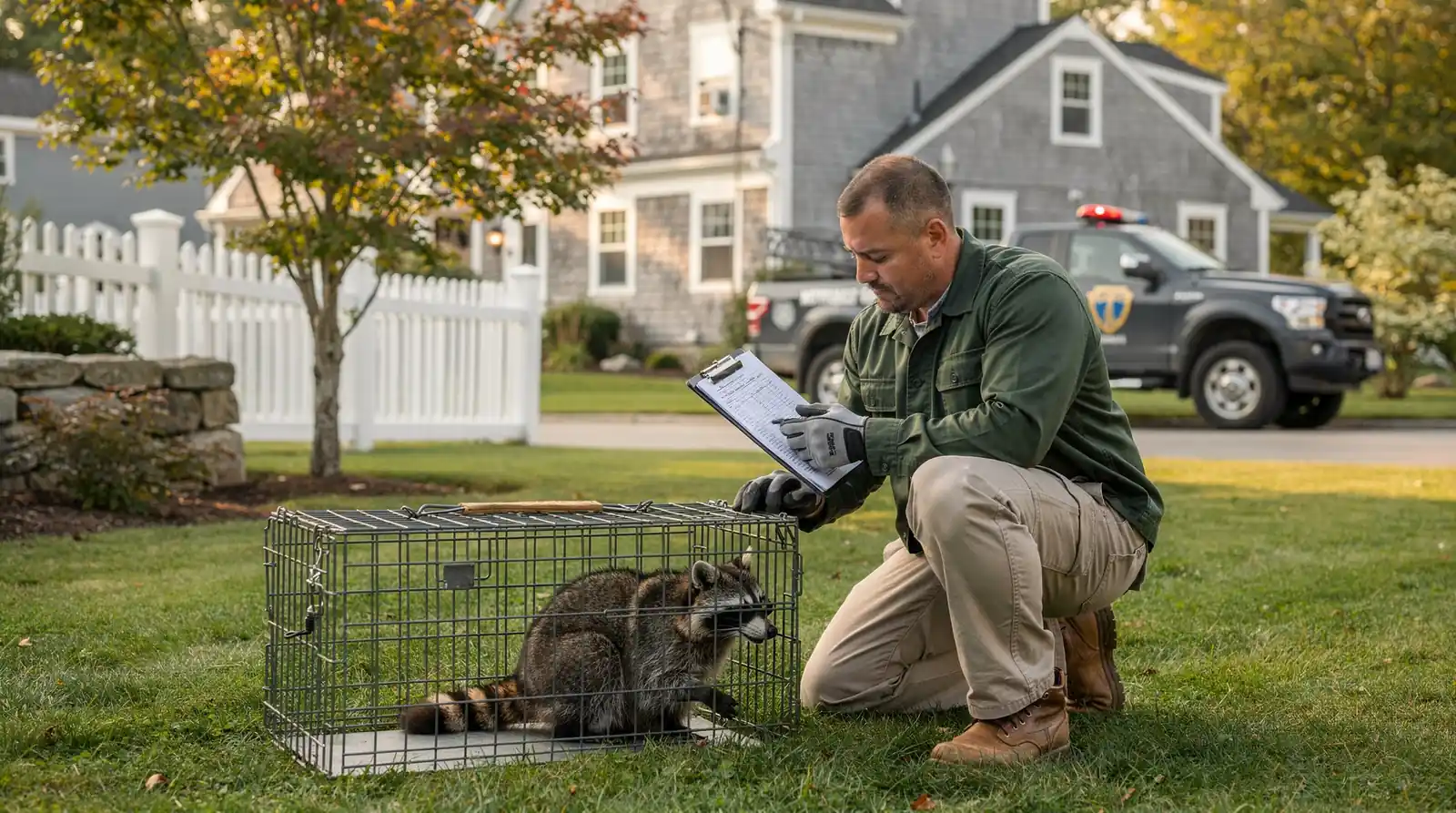
Connecticut wildlife relocation rules favor ecological removal and management techniques over simple trap-and-release. Property owners who skip proper exclusion work often see raccoons, squirrels, or bats return within weeks, triggering a second round of costly repairs. Licensed operators pair humane capture with structural fixes, sealing entry points before an animal ever leaves the property for good.
State oversight shapes every step of that process. Connecticut’s Department of Environmental Protection Wildlife Division sets the licensing. Operating standards that govern how wildlife control companies handle captured animals. Compliant operators must work in strict accordance with those rules. This framework forms the backbone of CT wildlife removal regulations statewide, covering everything from trap placement to how animals get handled after capture.
Why Does Exclusion Matter More Than Relocation?
Sealing gaps, vents, and rooflines stops wildlife from re-entering a structure after removal, and that step matters more than where an animal ends up. Relocation alone rarely solves a nuisance problem if the original entry point stays open. The humane wildlife laws Connecticut regulators enforce reflect this reality, pushing licensed operators toward exclusion-first strategies rather than repeated trapping cycles.
Do Wildlife Relocation Rules Apply To All Property Types?
The wildlife relocation rules CT authorities enforce apply broadly, covering single-family homes, rental units, and multifamily buildings alike. Experience built on years of multifamily property work provides a strong foundation for navigating these rules across varied housing types. A one-technician, one-truck standard supports the disciplined, methodical exclusion process that lawful wildlife handling demands. Property managers overseeing multiple units benefit from that same consistency. Every unit faces identical state requirements regardless of size.
How Do You Stay Compliant And Protect Your Home?
Compliance starts with prevention, not panic. Connecticut homeowners who wait until a raccoon has moved into the attic face a harder, costlier fix than those who address entry points early. The common industry pattern of treating symptoms instead of root causes leaves families exposed to repeat conflicts. Unexpected run-ins with CT wildlife removal regulations.
A sound approach mirrors the same standard responsible pest and wildlife companies hold themselves to: targeted action, proactive prevention, health-conscious methods, and environmental responsibility. Applied to wildlife conflicts, that standard looks like this:
- Targeted — identify the specific species and entry point before acting, rather than guessing
- Proactive — seal vulnerabilities and remove attractants before animals settle in
- Health-conscious — protect children, pets, and household members from disease exposure
- Environmentally responsible — follow humane wildlife laws Connecticut enforces, including proper handling of protected species
Who Handles Wildlife Removal Near Me In Connecticut?
Homeowners in Enfield and the surrounding towns have a locally based option for navigating these requirements without guesswork. A provider familiar with the region understands both the animals common to Connecticut properties and the paperwork that governs their removal.
Does Certification Matter For Legal Wildlife Removal?
Credentials matter more than most homeowners realize. An owner holding the Associate Certified Entomologist designation brings documented expertise to every job, which translates into safer, more lawful outcomes. That level of training also reduces the odds of violating wildlife relocation rules CT authorities enforce. Certified professionals stay current on species-specific handling requirements. Choosing a credentialed provider protects both the home and the homeowner from unintended legal exposure.
FAQ
Who is authorized to remove nuisance wildlife in Connecticut?
Connecticut requires licensed Nuisance Wildlife Control Operators (NWCOs) registered through the state’s Wildlife Division to handle removal. Nukingstreet Pest & Wildlife Control, led by ACE-certified Jeffrey Davis, operates under these standards throughout Northern Connecticut.
What animals cause the most wildlife conflicts in Connecticut?
Raccoons, squirrels, skunks, woodchucks, opossums, and bats account for most reported conflicts, alongside nuisance birds like house sparrows, starlings, pigeons, and woodpeckers nesting near structures.
Who enforces Connecticut’s wildlife removal regulations?
Both state and federal agencies enforce these regulations. Property owners hold direct legal responsibility for how nuisance animals get handled on their land, including hiring licensed operators.
Facts
- Nukingstreet Pest & Wildlife Control, LLC is located in Enfield, CT.