Inspection and exclusion require identifying every entry point—attics, basements, crawl spaces—before permanently sealing gaps, ensuring no animals remain trapped inside. Nukingstreet Pest & Wildlife Control, LLC, serving Enfield, CT, follows this four-step best-practices approach: thorough inspection, safe animal removal, complete sealing, and ongoing monitoring to stop repeat intrusions for good.
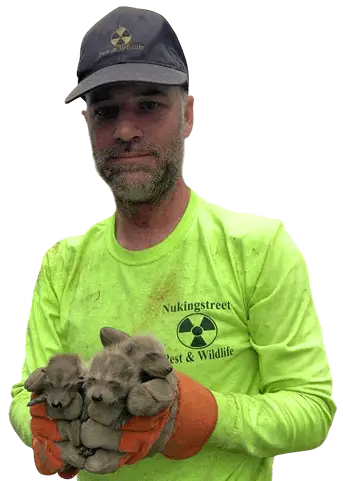
Forensic wildlife inspections start with a full attic, crawl space, and structural review to locate entry points, nesting sites, and hidden intruders. The kind of thorough search that led Nukingstreet Pest & Wildlife Control to find a squirrel tucked in a hangover during one Enfield-area inspection. Exclusion work then West Hartford Pest Control: Residential Rodent & Wildlife Exclusion with durable materials, preventing repeat intrusions long-term.
Key Takeaways
- Forensic wildlife inspection identifies all entry points before sealing gaps to prevent animal return.
- Exclusion barriers stop future intrusions by creating physical obstacles at four critical access areas.
- Prevention-focused strategies prove more effective long-term than reactive removal methods for nuisance wildlife control.
- Nukingstreet Pest & Wildlife Control addresses local fauna challenges through comprehensive property assessment and sealing.
Why Does Wildlife Keep Coming Back To Your Home?
Wildlife returns to the same Northern Connecticut properties because the original entry point never closed. Mice and rats squeeze through dime-sized gaps and, once they find a working route into a wall cavity or attic, they reuse it again and again. Raccoons, squirrels, and other animals follow the same logic: a soft spot in the structure becomes a permanent doorway unless someone seals it.
Trapping or removing the current occupant feels like a solution, but it addresses only half the problem. Take the animal out and leave the opening exposed, and a new one moves in within weeks. The property hasn’t changed — the invitation is still there.
What actually draws animals to a house in the first place?
Food, warmth, and shelter pull wildlife toward homes, especially as outdoor temperatures drop. Attics offer insulation and quiet; crawl spaces and gaps near rooflines offer protection from predators and weather. Properties with accessible food sources or unsealed foundation gaps become repeat targets year after year.
Why doesn’t trapping alone solve the problem long-term?
Trapping removes a symptom, not the cause. Wildlife exclusion is widely regarded as the most effective long-term method for stopping intrusions. It closes the structural vulnerabilities that attracted the animal originally.
Effective, lasting protection depends on:
- Identifying every active and potential entry point, not just the obvious one
- Confirming no animals remain inside before sealing anything shut
- Using durable materials matched to the specific gap and species involved
- Following exclusion best practices rather than one-size-fits-all patching
Property owners who skip this step often pay for the same removal twice.
What Does A Forensic Wildlife Inspection Involve?
A forensic pest inspection starts with locating the animal’s actual entry point, not just the damage left behind. Northern Connecticut homeowners often call after hearing scratching in the attic. The real work happens before any trap gets set. A qualified inspector walks the crawl space, the basement, the roofline, and every vent. These spots remain the most common places wildlife settles inside a structure.
Skipping this step costs homeowners money and time. One Enfield homeowner learned this after paying more than expected to a different company that never found the animal. A proper crawl space and attic inspection later located a squirrel tucked near the roofline. The exact spot the homeowner had already flagged, but the first company missed.
Why does exclusion always start with an inspection?
Professional exclusion best practices require a full property walkthrough before any sealing begins. Sealing a gap without first confirming what’s living behind it risks trapping an animal inside the walls, which creates a much bigger and smellier problem.
How does the inspection shape the exclusion plan?
No two properties get the same treatment plan. Learning **how to perform exclusion audit** work correctly means adjusting the approach to the structure’s age, the species involved, and how much damage already exists.
A thorough forensic inspection typically checks:
- Attic spaces and rooflines for nesting or gnaw marks
- Crawl spaces and basements for tracks, droppings, or moisture damage
- Vents, soffits, and chimney caps for gaps large enough for entry
- Foundation lines and utility penetrations for structural openings
Once the inspection identifies the root cause, the technician treats it directly and reports back exactly what was found. No guessing, no vague summaries, just a clear picture of what’s happening inside the walls.
How Do Pros Seal Entry Points Safely?
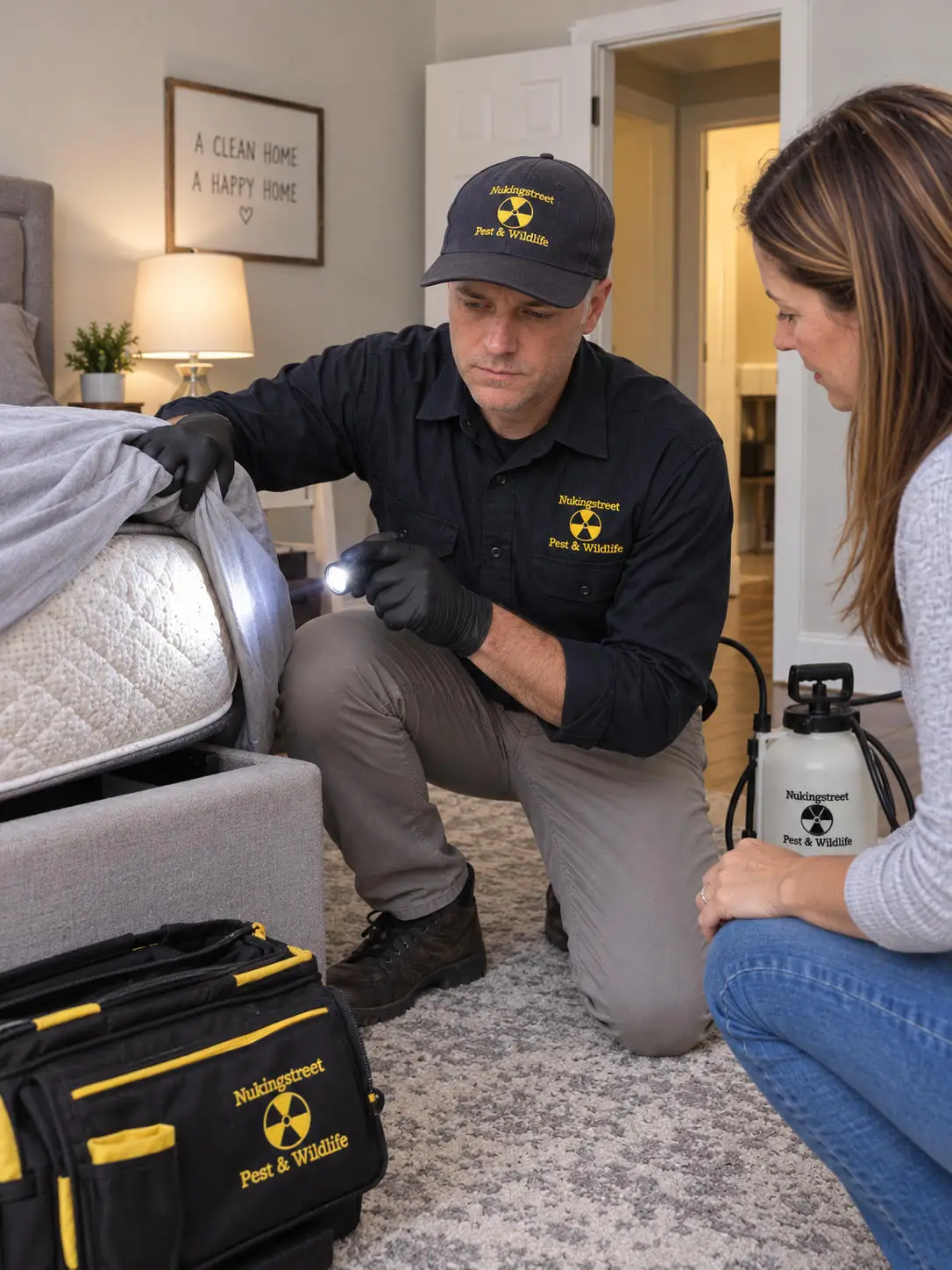
Trained wildlife professionals confirm that no animals remain inside before closing a single gap. Sealing a hole while a raccoon or bat is still trapped behind it creates a bigger problem than the one a property owner started with. A dead animal inside a wall cavity, or a desperate animal chewing new damage trying to escape. That order of operations, verify first, seal second, sits at the core of exclusion best practices.
Correct technique starts with a forensic pest inspection, a detailed walk of the roofline, foundation, vents, and utility penetrations to find every active and potential entry point. Technicians then move through a clear sequence:
- Confirm the structure is empty of wildlife before any permanent seal goes on.
- Identify every gap, gnaw mark, or worn entry route across the exterior.
- Seal those gaps with materials matched to the species and the surface.
- Add barriers around vulnerable areas to discourage animals from testing the structure again.
This process forms the practical basis of any entry point sealing guide. It explains why a homeowner should never caulk a hole and call the job finished without following the full sequence.
Why can’t bats just be sealed out immediately?
Bats carry legal protection under Connecticut state law and federal guidelines, which limits how removal can happen. The only lawful method is exclusion using one-way devices that let bats exit at dusk but block re-entry. Bat work demands specific expertise, precise timing tied to the animal’s activity cycle, and specialized equipment — rushing the seal risks trapping bats inside and breaking the law.
What does a professional exclusion audit actually check?
Learning how to perform exclusion audit work means checking every gap against the species suspected on the property, not just the obvious ones. A property flagged internally as exclusion-inspection-ns23 receives that same standard: verified vacancy, full perimeter mapping, and permanent sealing only after both conditions are met.
Why Does Exclusion Timing Make Or Break Success?
Timing determines whether a wildlife exclusion project succeeds or backfires. Bats present the clearest example of this rule. Colonies raise flightless pups during a summer maternity season, generally June through mid-August, and sealing entry points during this window is not just risky — it’s illegal in Connecticut. Trapping pups inside a structure causes their death. Dead animals inside walls or attics quickly create odor problems. Secondary pest infestations from flies and beetles drawn to the remains.
This is why exclusion best practices always start with a calendar check before any structural sealing begins. Property managers and homeowners in Northern Connecticut who rush this step risk violating wildlife protection rules and creating a far worse mess than the original intrusion.
When is it safe to seal entry points on a home with bats?
Sealing work should wait until after the maternity season ends, once pups can fly and the colony can exit naturally. A qualified technician confirms colony status before recommending an **entry point sealing guide** timeline for the property. Nukingstreet’s owner, Jeffrey Davis, is an Associate Certified Entomologist (ACE) who also holds NWCOA Bat Standards Certification, AAC Ridgeguard Certification, and Bat Cone Certification. Credentials that highlight professional expertise and credentials specific to safe bat exclusion timing.
Does timing matter for other wildlife, too?
Yes. Raccoons, squirrels, and other species also raise young seasonally, and forcing exclusion too early separates or traps offspring. Routine inspections catch new gaps, damaged vents, and shifting foundation cracks before animals move in and force a rushed, poorly timed response later.
How Do You Protect Your Home Long-Term?
Long-term protection starts with sealing entry points before wildlife finds them, not treating damage after animals move in. Attics, crawl spaces, and foundation gaps invite raccoons, squirrels, and rodents searching for shelter and warmth. Left unaddressed, these openings turn into repeat problems season after season.
A mechanical-first, eco-friendly approach favors exclusion and targeted treatments over broad-spectrum chemical applications across every surface. This mechanical-first pest control approach has protected homes. Properties throughout Simsbury and Hartford County for years, built on exclusion best practices and real industry credentials. Homeowners get lasting results without unnecessary chemical exposure indoors or around pets and children.
Effective prevention depends on catching problems early. A forensic pest inspection traces droppings, chew marks, and grease trails back to their source, rather than guessing at surface-level symptoms. This process forms the foundation of any entry point sealing guide. Gaps can’t be sealed correctly until every access point gets identified.
What Does a Home Exclusion Audit Actually Involve?
Knowing how to perform exclusion audit work means checking rooflines, vents, utility penetrations, and foundation cracks systematically. Technicians document each vulnerability, prioritize the most active entry points, and recommend sealing materials suited to the structure and the species involved.
Why Does Sealing Entry Points Matter So Much?
Once wildlife gets inside, damage escalates fast — chewed insulation, wiring, and wood, plus droppings and lingering odors. Rodents compound the risk further, contaminating food and surfaces with urine and droppings tied to hantavirus, salmonella, and leptospirosis. The CDC links rodents to more than 35 diseases affecting people directly or indirectly, making prompt exclusion a health priority, not just a property one.
Programs built around exclusion-inspection-ns23 protocols highlight professional expertise and credentials, giving property owners documented, repeatable protection year after year.
FAQ
Why does wildlife keep returning to the same property?
The original entry point never gets sealed, so mice, rats, raccoons, and squirrels reuse the same gap repeatedly. Nukingstreet Pest & Wildlife Control closes these structural vulnerabilities in Enfield, CT to stop the cycle permanently.
What does a forensic wildlife inspection involve?
Inspectors conduct a full attic, crawl space, and structural review to locate entry points, nesting sites, and hidden intruders before any sealing begins. This thorough search once revealed a squirrel tucked away during an Enfield-area inspection.
Why doesn’t trapping alone solve wildlife problems long-term?
Trapping removes the animal but leaves the entry point exposed, allowing a new intruder to move in within weeks. Exclusion addresses the root cause by sealing structural vulnerabilities that attracted wildlife in the first place.
Conclusion
In closing, forensic wildlife inspection and exclusion represent the gold standard in humane, long-term pest management. By combining thorough structural assessment with targeted exclusion techniques, property owners eliminate the conditions that invite wildlife intrusion rather than addressing symptoms after the fact. This proactive approach protects your home, preserves wildlife populations, and delivers the peace of mind that comes from knowing your property is genuinely secure against future wildlife problems.