
By Nukingstreet Pest & Wildlife Control LLC Editorial Team · Updated 2026-09-03
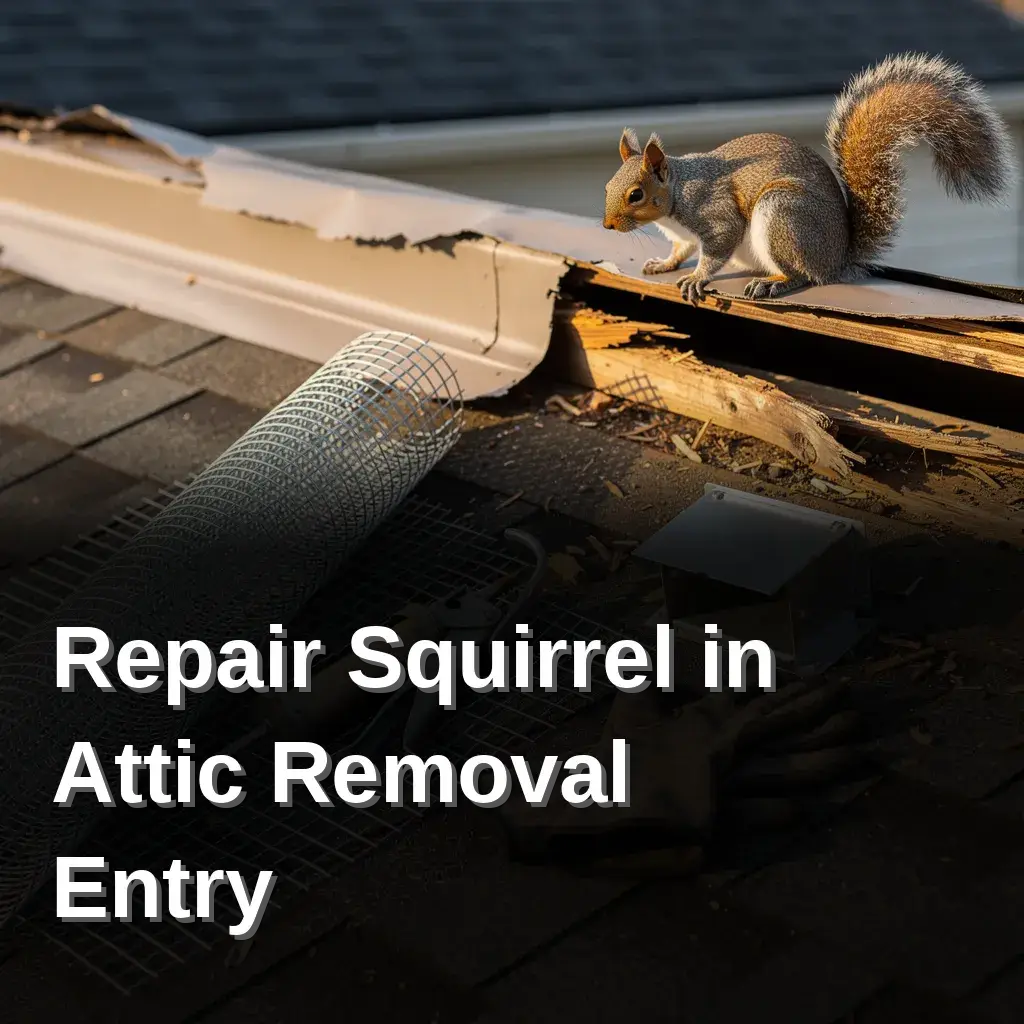
Squirrel entry repair requires clearing occupants first, then sealing chewed fascia and soffit gaps with heavy-gauge galvanized steel. Hardware cloth, never wood or foam alone since squirrels re-chew soft materials. Nukingstreet Pest & Wildlife Control has served Simsbury, Enfield, and Hartford County with a mechanical-first, eco-friendly approach backed by real credentials.
Key Takeaways
- Squirrels can jump distances of six to eight feet, allowing them to reach roofs from nearby trees or downspouts.
- Soffits rank in the top ten entry points where squirrels penetrate attics and cause structural damage to homes.
- Squirrels navigate rooflines seamlessly using their natural climbing abilities to exploit gaps in fascia and soffit construction.
- Poor soffit installation by contractors creates vulnerable entry points that squirrels exploit to access attic spaces and nest.
What Should You Know Before Repairing Squirrel Damage?
Root cause identification comes first, before any patch, foam, or metal flashing touches the roofline. Skipping this step wastes money and invites the same squirrel back within weeks. Hartford County homeowners have relied on Nukingstreet Pest & Wildlife Control for a mechanical-first, eco-friendly approach to exactly this problem, and that same standard applies to attic entry repairs.
Squirrels rarely chew a single, isolated hole. They exploit existing weaknesses — rotted trim, gapped soffit panels, warped fascia boards — and widen them over time. Proper squirrel in attic removal depends on locating every access point, not just the one that’s visible from the ground.
Why Does the Root Cause Matter More Than the Hole Itself?
Sealing a hole without addressing why it formed guarantees a repeat visit. A weak spot in the fascia or a gap behind loose soffit vents will continue to allow wildlife access until the underlying structural issue is addressed.
What Happens If Repairs Skip Inspection?
Forensic-level inspection precedes any repair work, identifying entry points, chew patterns, and nesting activity before materials go up. Facia soffit rodent repair done without this step often misses secondary openings squirrels use as backup routes.
Before scheduling repairs, homeowners should confirm the following:
- All active entry points have been located, not just the largest one
- The animal has been safely removed and confirmed gone
- Repair materials resist chewing, since squirrels’ teeth grow continuously
- Root causes — rot, gaps, warping — get addressed, not just covered
Skipping any of these steps shortens the lifespan of the repair significantly.
Why Are Squirrels Chewing Your Fascia and Soffit?
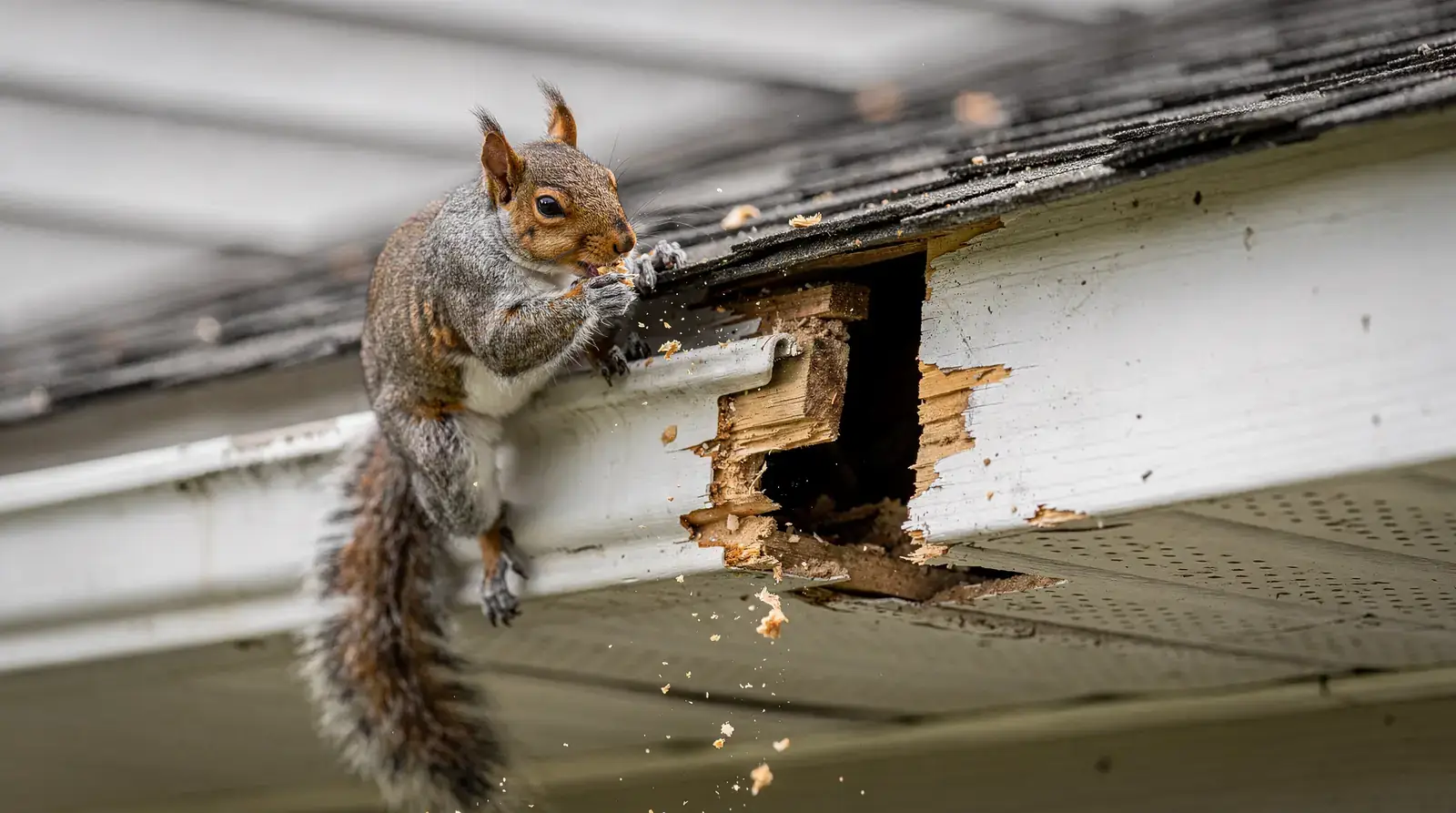
Gnawing marks on a roofline signal an active entry attempt, not random wear. Squirrels chew wood fascia and soffit panels because these areas sit at the weakest seam of the roof structure. Wood meets shingle and vent. Left alone, a small nick grows into a full access hole within weeks. Homeowners in Northern Connecticut and Western Massachusetts often notice the damage only after scratching sounds start overhead.
How Do Squirrels Reach the Roof in the First Place?
Squirrels leap distances of six to eight feet, easily bridging the gap from a nearby tree branch, power line, or downspout onto a roof edge. That jumping range means even homes without overhanging limbs face risk if a utility line runs close to the structure. Once positioned on the roof, squirrels test every seam for softness before committing to chew.
What Makes Fascia and Soffit Such an Easy Target?
Damaged soffit panels, loose or lifted shingles, and gaps in the roof structure hand squirrels a direct path into the attic. These weak points often start small — a warped board, a missing fastener — and widen fast under repeated gnawing and clawing.
Professional squirrel in attic removal starts with identifying which of these openings is active before any repair begins. A blanket fix rarely holds. Effective facia soffit rodent repair targets the exact entry point, reinforcing that specific section rather than patching the whole roofline blindly. This targeted approach:
- Confirms the active hole through inspection, not guesswork
- Matches repair material to the actual damage
- Reduces wasted labor on sections squirrels never touched
How Do You Complete Squirrel in Attic Removal First?
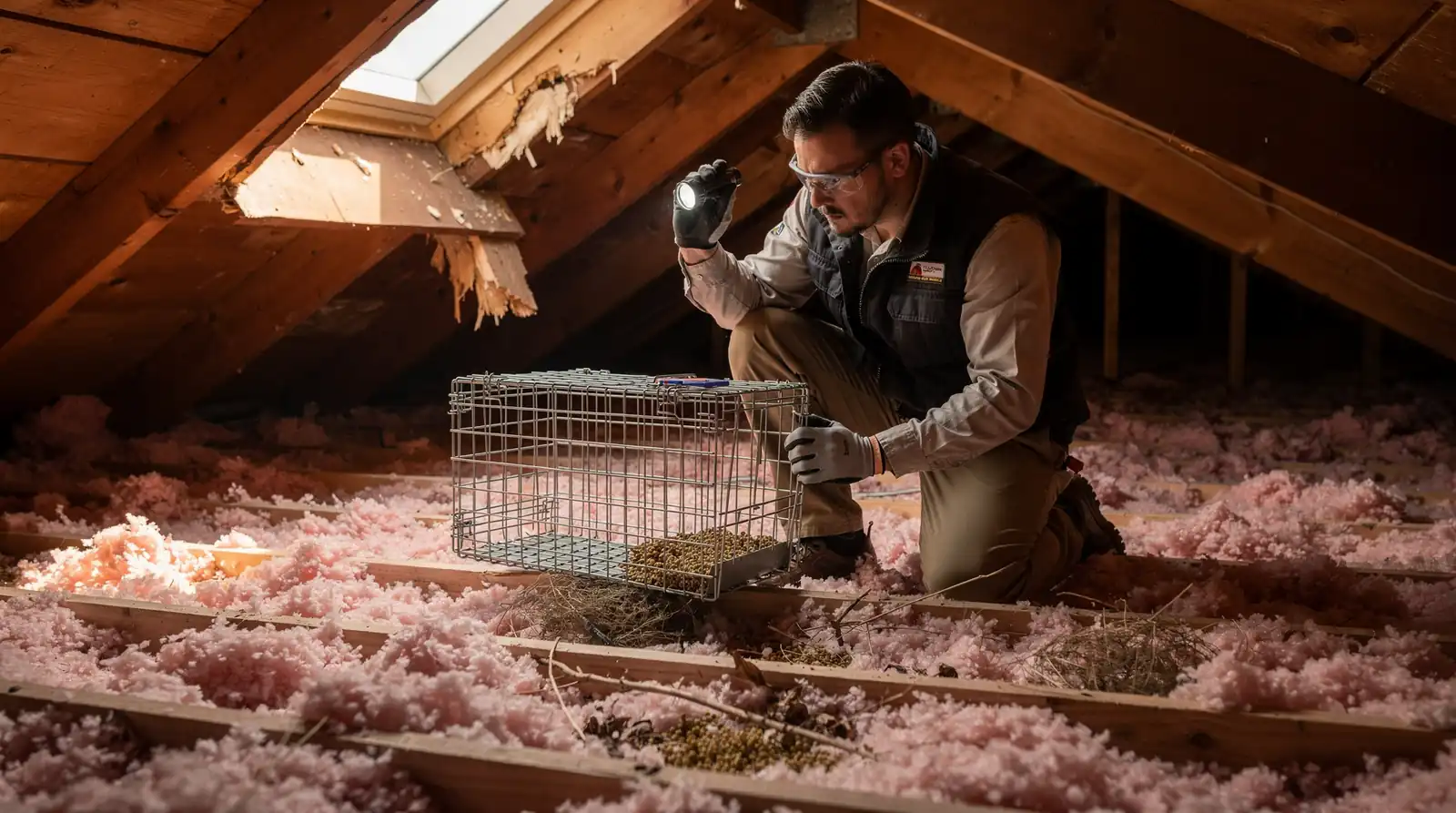
A proper squirrel in attic removal starts with an inspection of both the attic space and the roofline. Squirrels heard scratching in the soffit have almost always already reached the attic itself. Skipping either area leaves an active nest behind and guarantees a repeat call within weeks. Homeowners across Northern Connecticut and Western Massachusetts lose time. Money when removal treats only one entry point instead of the whole system.
Why Do Soffit and Attic Removal Happen Together?
Soffits connect directly to attic framing. A squirrel entering through a damaged soffit board has a clear, uninterrupted path into the attic above. Removing squirrels from the soffit without addressing the attic leaves the colony intact just a few feet away. Effective facia soffit rodent repair treats the soffit and attic as one continuous problem, not two separate jobs.
The removal sequence follows a set order:
- Inspect the attic and roofline together to map every entry point, from soffit gaps to fascia damage.
- Confirm activity using AI-powered remote monitoring technology placed near suspected nest sites, tracking movement patterns before any repair work begins.
- Remove squirrels using mechanical, exclusion-based methods rather than chemical baits or repellents.
- Verify the attic is fully clear through continued remote monitoring data before sealing any opening.
- Repair and reinforce the soffit, fascia, and entry points once monitoring confirms no remaining activity.
Who Should Handle This Kind of Repair?
Wildlife removal combined with structural repair calls for someone trained in both animal behavior and building exclusion techniques. Owner Jeffrey Davis holds the Associate Certified Entomologist (ACE) designation. Those credentials matter directly here, since squirrel work overlaps with disease risk, structural assessment, and precise product placement along the roofline.
How Do You Repair Chewed Fascia and Soffit?
Repair starts with inspection, not caulk and a ladder. Damaged fascia boards and gnawed soffit panels signal an active entry point, and patching the surface without addressing the cause invites the animal right back in. Effective fascia soffit rodent repair follows a sequence: locate every access point, remove the animal humanely, seal the structure, and reinforce it against future chewing.
Squirrels exploit more than one weak spot on a roofline. Vents, soffits, and eaves all serve as potential doorways once an animal gains roof access, so a technician checks all three before calling the job done.
What Steps Does Proper Repair Follow?
- Inspect the full roofline. Fascia boards, soffit panels, vents, and eave gaps all get checked — a single confirmed hole rarely tells the whole story.
- Confirm the animal is out. Confirming an empty space before sealing prevents trapping a squirrel inside walls or attic voids.
- Repair structural damage. Chewed wood gets replaced, not just patched, since a compromised soffit will fail again under weather stress.
- Install exclusion-grade materials. Reinforced screening and hardware, installed to standards like AAC Ridgeguard and certified Bat Cone methods, close gaps permanently rather than temporarily.
- Report findings honestly. A trustworthy repair identifies root causes and flags structural vulnerabilities plainly, even when the news isn’t welcome.
Why Does the Repair Need to Go Beyond the Hole?
A single chewed opening rarely represents the full scope of squirrel activity. Left unaddressed, these animals chew electrical wiring, shred attic insulation, and build nests deep in the rafters. Damage that stays hidden long after the entry hole gets patched. That’s why squirrel in attic removal paired with fascia repair matters more than a quick exterior fix. The attic interior needs its own inspection before the job is considered complete.
How Do You Prevent Squirrels From Returning?
Prevention works by reinforcing weak spots and closing off access routes permanently, not by simply chasing this season’s squirrels away. A properly finished job includes durable facia soffit rodent repair materials, ongoing gutter maintenance, and treatment choices that keep the whole property safe. Homeowners in Enfield, Simsbury, and the surrounding Connecticut and Western Massachusetts region get the most lasting results when exclusion work follows a clear plan.
What steps stop squirrels from coming back?
- Inspect the repaired roofline seasonally for new chew marks, gaps, or loosened flashing.
- Clear gutters regularly — leaves and debris left in place attract nesting material and cause drainage problems that draw wildlife right back to the roofline.
- Trim tree limbs and branches that overhang the roof, removing easy jumping-off points.
- Confirm any rodent treatment used on the property skips harmful chemical classes.
Are the prevention products safe for pets and wildlife?
Yes. Nukingstreet’s exclusion approach avoids second-generation anticoagulant rodenticides and neonicotinoids near repaired areas, protecting pets, songbirds, and pollinators that share the yard. This environmentally responsible standard keeps ecosystems intact while still solving the squirrel in attic removal problem for good. Families get a squirrel-free attic without trading one hazard for another.
FAQ
What materials should you use to repair chewed fascia and soffit?
Seal gaps with heavy-gauge galvanized steel or hardware cloth. Avoid wood or foam alone, since squirrels re-chew soft materials with their continuously growing teeth.
Should you remove the squirrel before repairing entry points?
Yes, clearing occupants comes first. Confirm the animal is safely removed and gone before sealing any chewed fascia or soffit gaps with durable materials.
Why does Nukingstreet inspect the whole roofline before repairing squirrel damage?
Squirrels exploit existing weaknesses like rot, gaps, and warping, often creating backup entry points. Nukingstreet’s forensic-level inspection locates every access point, preventing repeat entries after repair.
Conclusion
In closing, repairing chewed fascia and soffit damage stops the cycle of squirrel entry and protects your home’s structural integrity. Combining exclusion repairs with professional wildlife removal ensures lasting results—patching holes alone invites reinfestation. Address both the damage and the animals causing it to reclaim your property’s security and peace of mind.