Foundation seal points for rodents that need fall attention include gaps around utility pipes, dryer vents, sill plates, and foundation cracks wider than a pencil—about 1/4 inch, the size mice squeeze through. This fall rodent proofing checklist covers how Nukingstreet technicians inspect these areas, mechanically seal openings before applying chemical treatments, and identify structural vulnerabilities that invite rodents indoors as autumn temperatures drop.
Key Takeaways
- Rodents enter homes through small openings around pipes, utility lines, and worn seals throughout foundations.
- Inspect both interior and exterior areas systematically to identify gaps and holes of all sizes.
- Seal every discovered entry point completely to eliminate rodent access routes into your home.
- Combine sealing efforts with food storage, garbage management, and outdoor area maintenance for complete protection.
What Do You Need Before You Start Sealing?
Preparation determines whether a sealing project actually stops mice or just slows them down for a season. A thorough fall pest proofing checklist begins with inspection, not caulk gun in hand. Homeowners need a flashlight, a mirror for tight crawlspaces, sealing materials rated for rodent resistance, and a clear view of every foundation wall from outside and in.
Before touching a single gap, the checklist calls for identifying every vulnerable point first. Mice squeeze through openings roughly the width of a pencil, about a quarter inch across. Even hairline foundation cracks deserve attention. Missing that detail means the work gets redone later, often after damage has already occurred indoors.
Why does inspection come before sealing?
Sealing without inspecting risks trapping animals inside or missing a second entry point nearby. A proper fall pest proofing checklist starts with mechanical methods and hands-on inspection rather than jumping straight to chemical treatments. Technicians look for structural and environmental weak spots around the foundation, siding gaps, and utility penetrations that invite rodent activity long before winter pressure builds.
What tools and steps come first?
Gather materials before scheduling the work:
- Walk the exterior perimeter and mark visible gaps.
- Check utility line penetrations, dryer vents, and sill plates.
- Note soil grading that sits above the foundation line.
- Photograph problem areas for reference.
For homeowners who want ongoing protection instead of a one-time fix, monthly subscription billing with a 30-day cancellation option offers a maintained solution, and military and senior discounts are available. This groundwork also highlights professional expertise and credentials that separate lasting exclusion work from quick patch jobs.
Where Do Mice Actually Get Into Your Home?
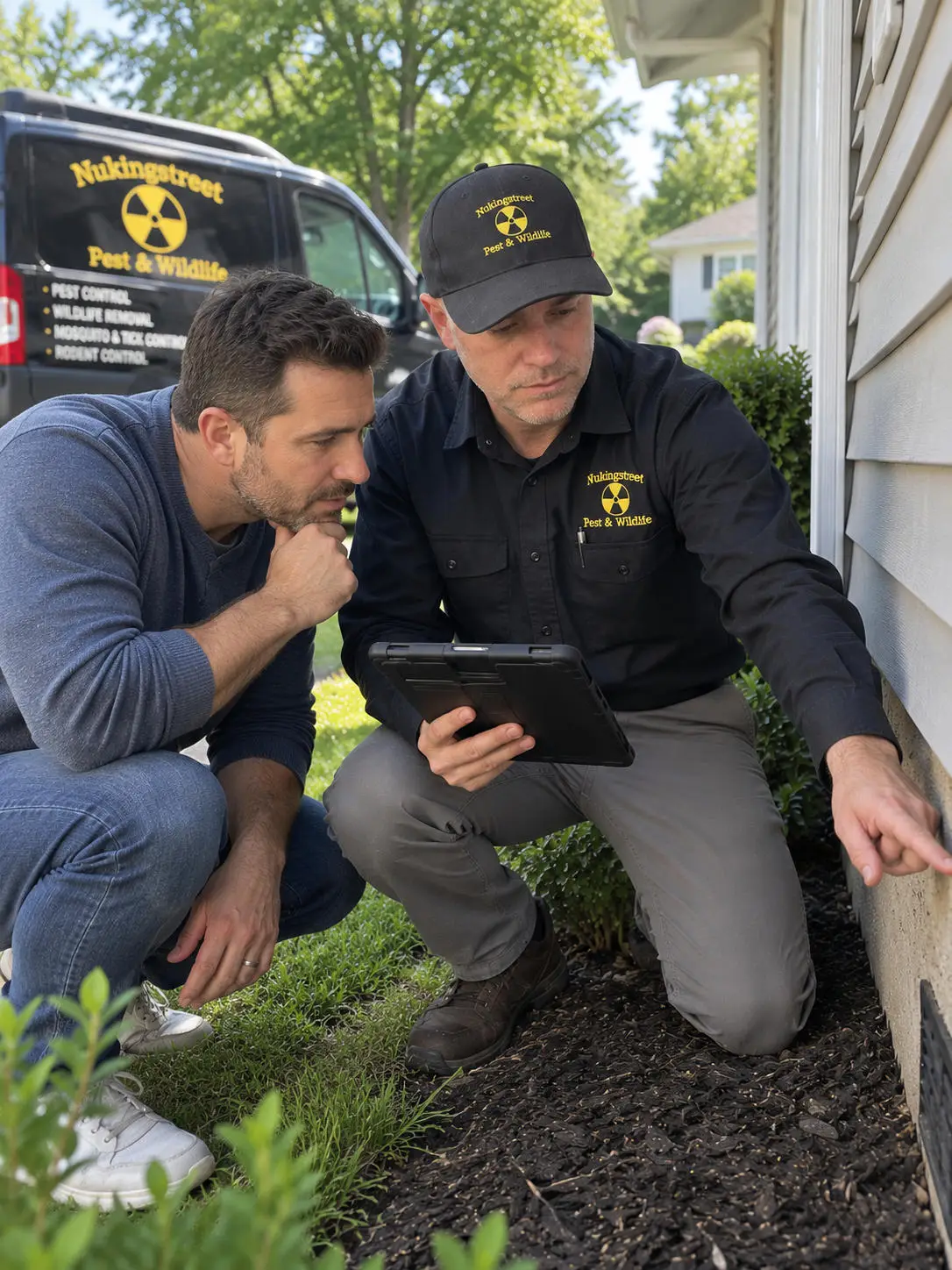
Mouse entry points around the foundation are usually small, overlooked gaps around cabinets, pipes, vents, and utility lines—rarely through anything a homeowner would notice at first glance. A hole no wider than a pencil, about one-quarter inch across, gives a mouse enough clearance to squeeze inside, according to the Centers for Disease Control and Prevention. Skip that gap during a fall inspection. It stays open all winter, feeding a problem that traps alone never solve.
Cracks in foundations, worn weatherstripping, and loose seals around plumbing and utility penetrations account for most rodent entry points. These spots look harmless because they’re small, but that’s exactly why they matter. A proper fall pest proofing checklist starts by walking the full perimeter of the home, inside and out, checking:
- Under, inside, and behind kitchen cabinets
- Around pipe penetrations and vent openings
- Door gaps and worn thresholds
- Foundation cracks and utility line entries
- Window and door frames
Which areas deserve the closest look first?
Door gaps and thresholds top the list when time is limited. Worn weatherstripping under an exterior door creates a wide, low gap that mice find quickly, especially once outdoor temperatures drop and shelter becomes scarce indoors.
Why does a professional inspection catch what a quick walk-through misses?
A surface check for droppings or gnaw marks only confirms mice have already arrived. A thorough inspection traces activity back to its source, examining structural and environmental conditions that let rodents return even after an initial fix. This root-cause approach forms the foundation of real winter mouse prevention, not just cleanup after the fact.
Nukingstreet’s inspection standards reflect that depth of training. The company highlights professional expertise and credentials, including owner Jeffrey Davis‘s status as an Associate Certified Entomologist alongside additional manufacturer-level certifications, giving Northern Connecticut and Western Massachusetts homeowners a inspection process built on more than guesswork.
How Do You Seal Foundation And Utility Gaps?
Knowing how to seal foundation cracks mice use as entry points starts with locating every opening a mouse or rat can use, then closing each one with a durable, mechanical barrier. For homeowners across Northern Connecticut and Western Massachusetts, this work forms the backbone of any serious fall pest proofing checklist. Rodents that find a way in during October rarely leave on their own once temperatures drop.
Effective exclusion depends on identifying the specific cracks, worn seals, and pipe or wire penetrations rodents already use, rather than guessing where a problem might exist. A forensic-level inspection maps these root causes before any sealing begins. Effort goes toward real entry points instead of cosmetic fixes. Follow these steps in order:
- Walk the full foundation perimeter and note every gap, crack, or settling joint at ground level.
- Check where pipes, gas lines, dryer vents, and electrical conduits pass through exterior walls.
- Measure larger openings and select rigid, chew-resistant materials sized to fill them completely.
- Seal smaller cracks and hairline gaps with weather-rated sealant rated for exterior use.
- Recheck sealed areas after the first hard frost, when shifting foundations sometimes reopen gaps.
What Materials Work Best for Sealing Gaps?
Durable, rodent-resistant materials outperform quick fixes like foam or loose caulk, which rodents chew through easily. Mechanical barriers installed correctly around utility penetrations hold up through freeze-thaw cycles common in this region. Sealing decisions should skip second-generation anticoagulant rodenticides. These products carry documented risks to pets and non-target wildlife without addressing the entry point itself.
Should Homeowners Hire a Professional for Foundation Sealing?
Complex utility penetrations and hard-to-reach crawlspace gaps often call for trained hands. Nukingstreet’s technicians hold formal exclusion product installation certification, which highlights professional expertise and credentials homeowners can verify before winter sets in. That credential matters most when winter mouse prevention depends on gaps staying sealed through months of cold, not just closed for a single afternoon.
How Do You Rodent-Proof Room By Room This Fall?
Rodent-proofing works room by room, starting with kitchens and moving outward to basements, attics, and garages. A complete plan checks entry points, food and water sources, and storage habits together, rather than tackling one issue at a time and leaving the rest exposed.
Kitchen and pantry
- Store dry goods, pet food, and garbage in sealed containers, since easy meals draw rodents toward gaps in the first place.
- Wipe counters and sweep floors nightly to remove crumbs that attract scouting mice.
- Check under and behind appliances for gaps where cabinets meet the wall.
Basement and garage (basement rodent exclusion)
- Inspect foundation seams and utility penetrations for openings.
- Clear stacked boxes and firewood away from walls, since clutter offers hiding spots.
- Store bagged mulch, birdseed, or grass seed off the floor in hard containers.
Attic and crawl space
- Look for droppings, gnaw marks, or disturbed insulation near roof lines, soffits, and chimney openings that may need a chimney exclusion cap.
- Note staging activity from other wildlife nearby; fall pressure isn’t limited to mice, and homeowners in Northern Connecticut and Western Massachusetts may also spot voles, chipmunks, or woodchucks positioning near foundations before winter sets in, along with the occasional opossum looking for shelter.
What’s the point of checking every room instead of just where mice were seen?
A single trap or sealed hole rarely solves a recurring problem. The purpose of a fall pest proofing checklist is correcting the conditions that let rodents return, not just removing what’s currently visible. That room-by-room discipline reflects the kind of structured inspection process Nukingstreet’s team applies on every visit, which highlights professional expertise and credentials rather than guesswork.
Do garages count as a rodent entry point?
Yes. Garage doors, vents, and gaps around door frames rank among the most overlooked openings homeowners forget each fall.
What Should You Do If Mice Still Get In?
A follow-up inspection comes first, even after careful sealing. Sealing gaps and setting traps sometimes isn’t enough if a structural weak point was missed or a new one opened up over the season. Homeowners who see fresh droppings, hear scratching, or find gnaw marks after completing their fall pest proofing checklist need a professional to look again, not another round of guesswork.
A proper reinspection should report any structural vulnerabilities honestly, even when the findings aren’t what a homeowner hopes to hear. Skipping that honesty only delays the real fix and invites the same problem back next season.
Technology adds another layer of protection here. AI-powered remote monitoring can flag renewed rodent activity behind walls or in crawl spaces, backed by a full exclusion audit, before it grows into a full infestation, giving homeowners a head start on winter mouse prevention rather than a surprise mid-January.
Continued reliance on rodenticides and glue traps carries real cost. Prevention-based approaches lower that risk, protecting pets and neighborhood wildlife from secondary exposure.
When should a homeowner call for professional help instead of resealing alone?
Sealing repeatedly without results signals a deeper entry point or a missed vulnerability. At that stage, a phone call, text, or online inquiry connects homeowners with a follow-up inspection built around long-term prevention rather than short-term patchwork—the same standard Nukingstreet applies to rodent control in Enfield, CT and throughout Northern Connecticut and Western Massachusetts, including Bloomfield and Hartford.
FAQ
How big of a gap can mice fit through?
Mice squeeze through openings roughly one-quarter inch wide, about the width of a pencil. This includes hairline foundation cracks, gaps around utility pipes, dryer vents, and sill plates.
Should you seal gaps before or after chemical treatment?
Nukingstreet technicians mechanically seal openings first, then apply chemical treatments afterward. Sealing without inspecting first risks trapping animals inside or missing a second nearby entry point.
What areas need inspection during fall rodent proofing?
Check the exterior perimeter, utility line penetrations, dryer vents, sill plates, and soil grading above the foundation line. Nukingstreet technicians also identify structural vulnerabilities inviting rodents as temperatures drop.
Conclusion
In closing, sealing foundation gaps and entry points stands as your most effective defense against fall rodent invasions. A thorough inspection identifies vulnerabilities before cold weather drives rodents indoors. Mechanical exclusion methods address the root cause rather than relying on reactive treatments. By completing these preventative steps now, you protect your home’s integrity and your family’s comfort throughout the season. When rodent activity persists despite your efforts, professional inspection and targeted removal ensure comprehensive protection.